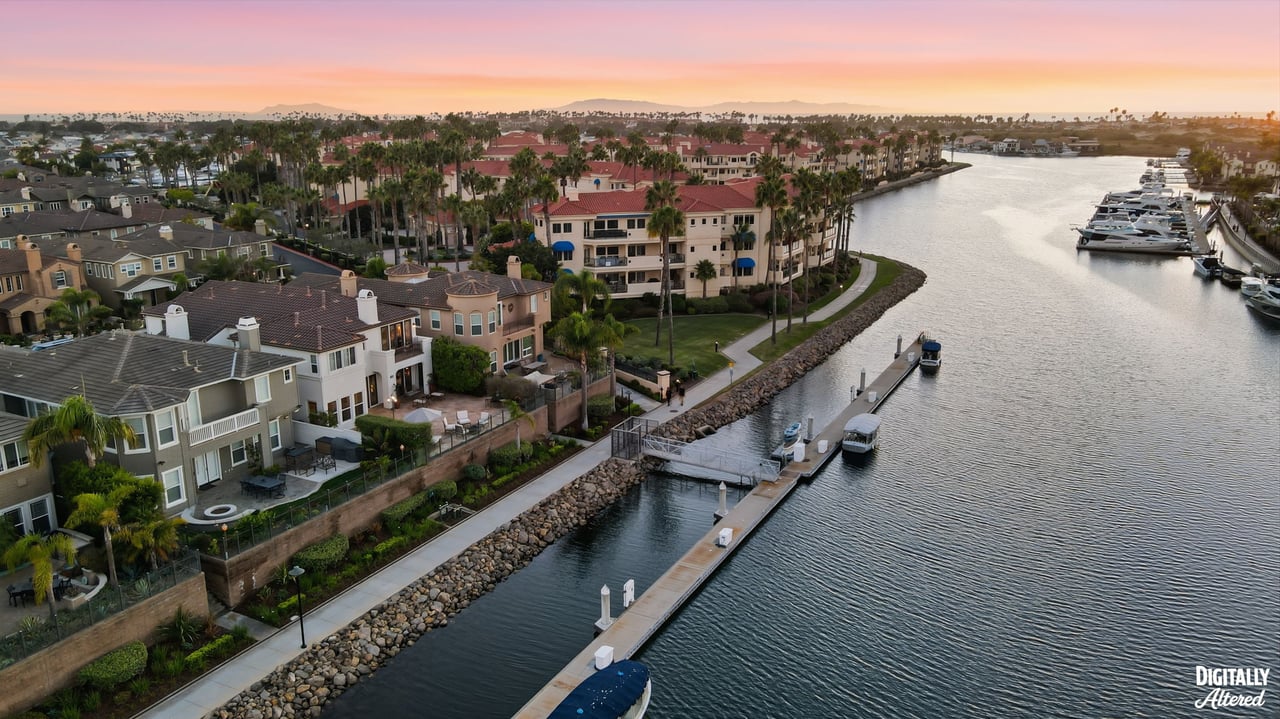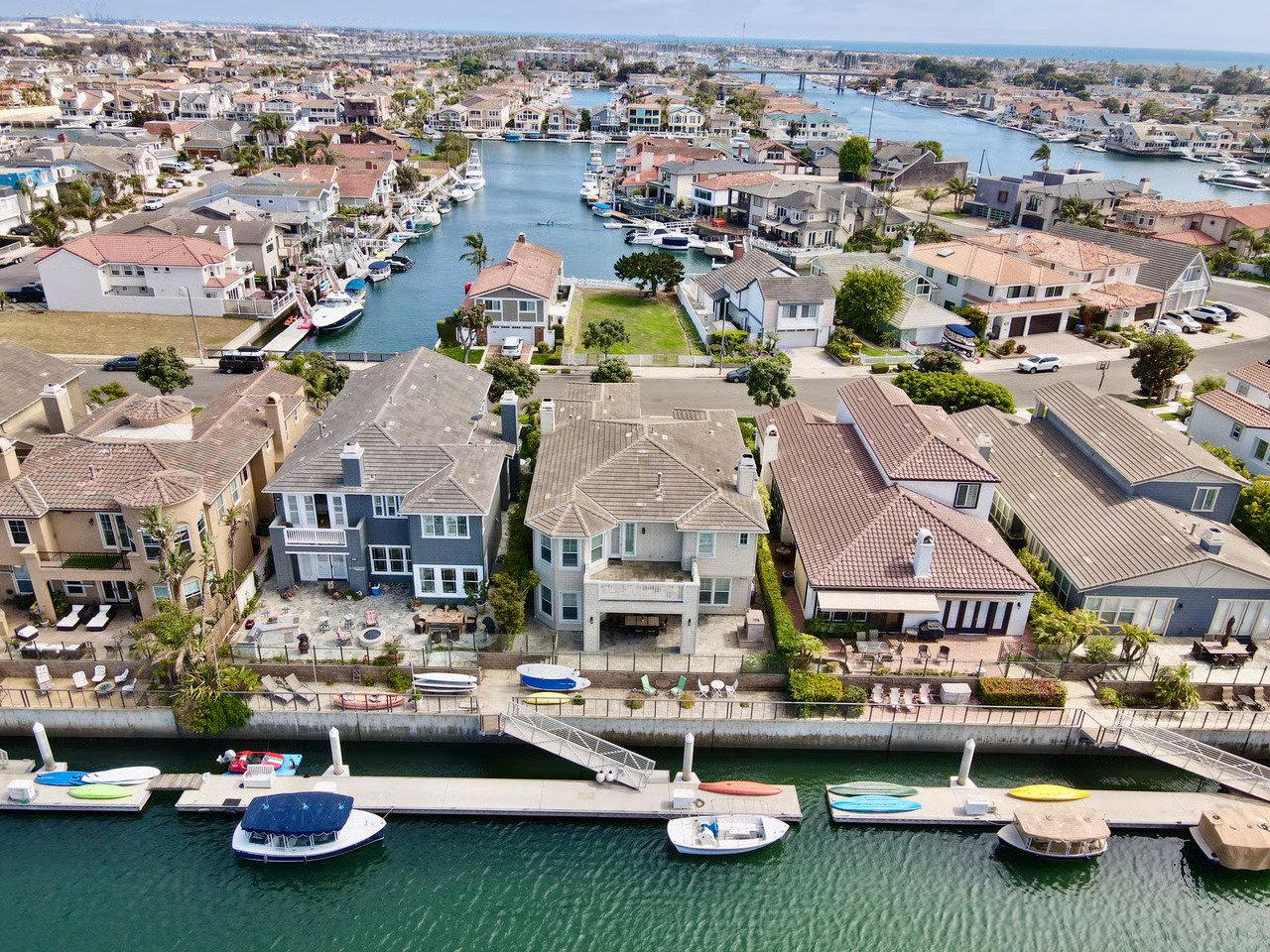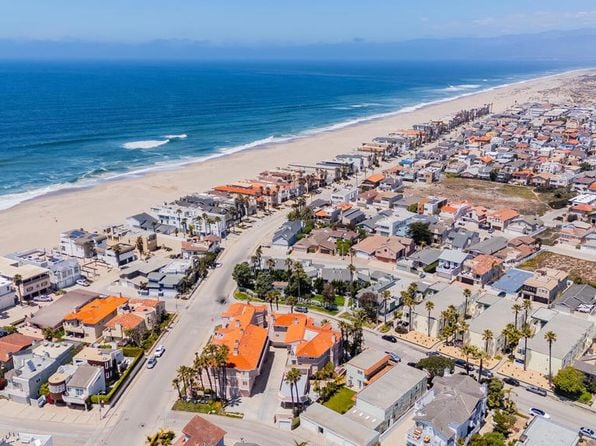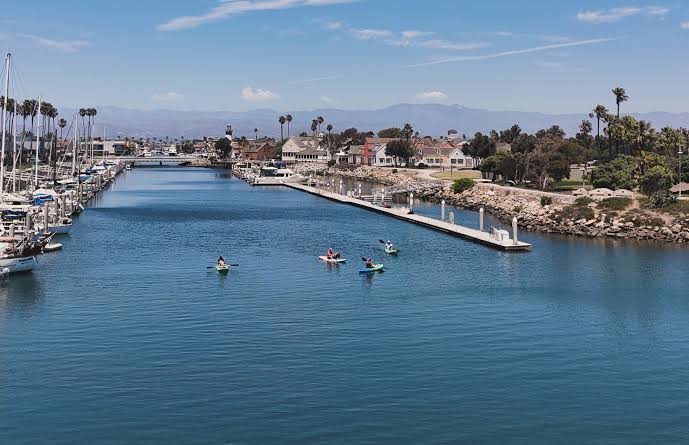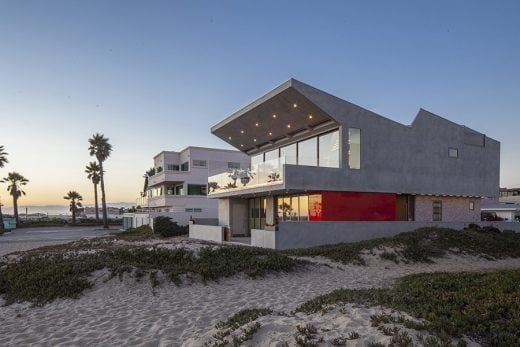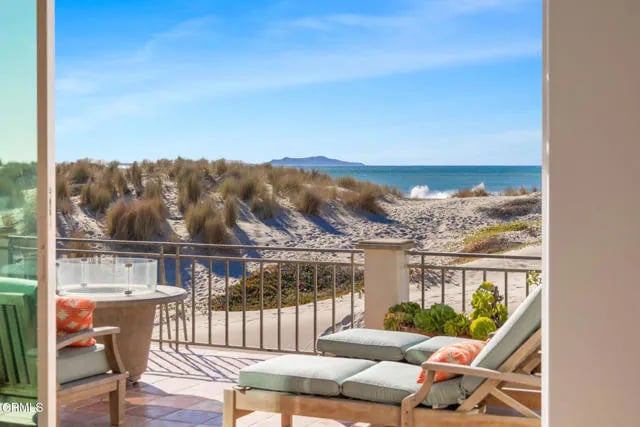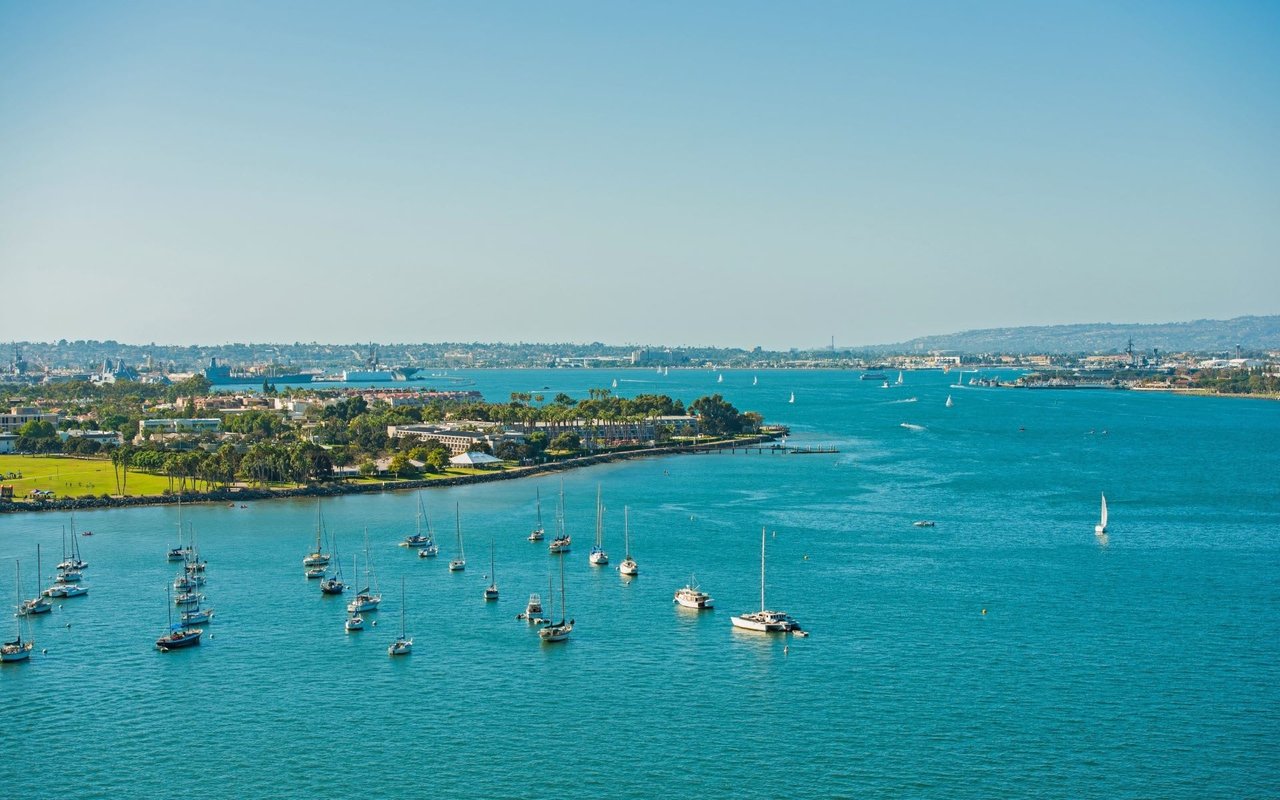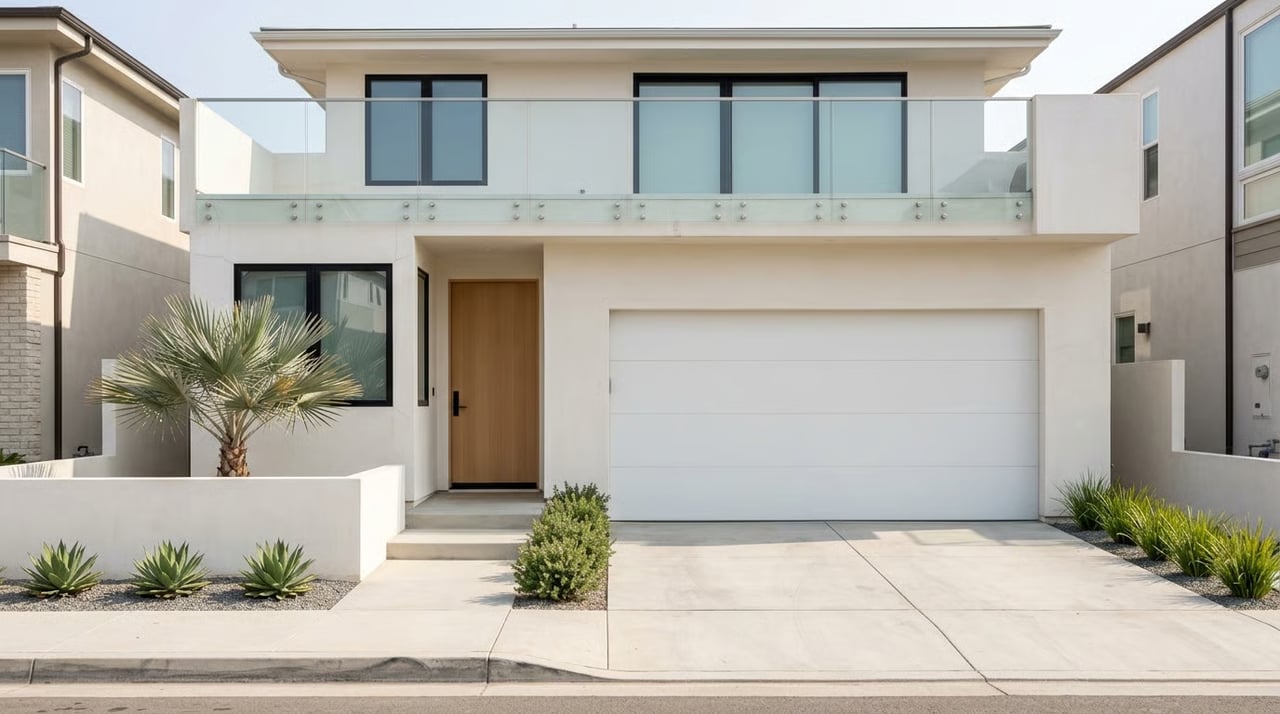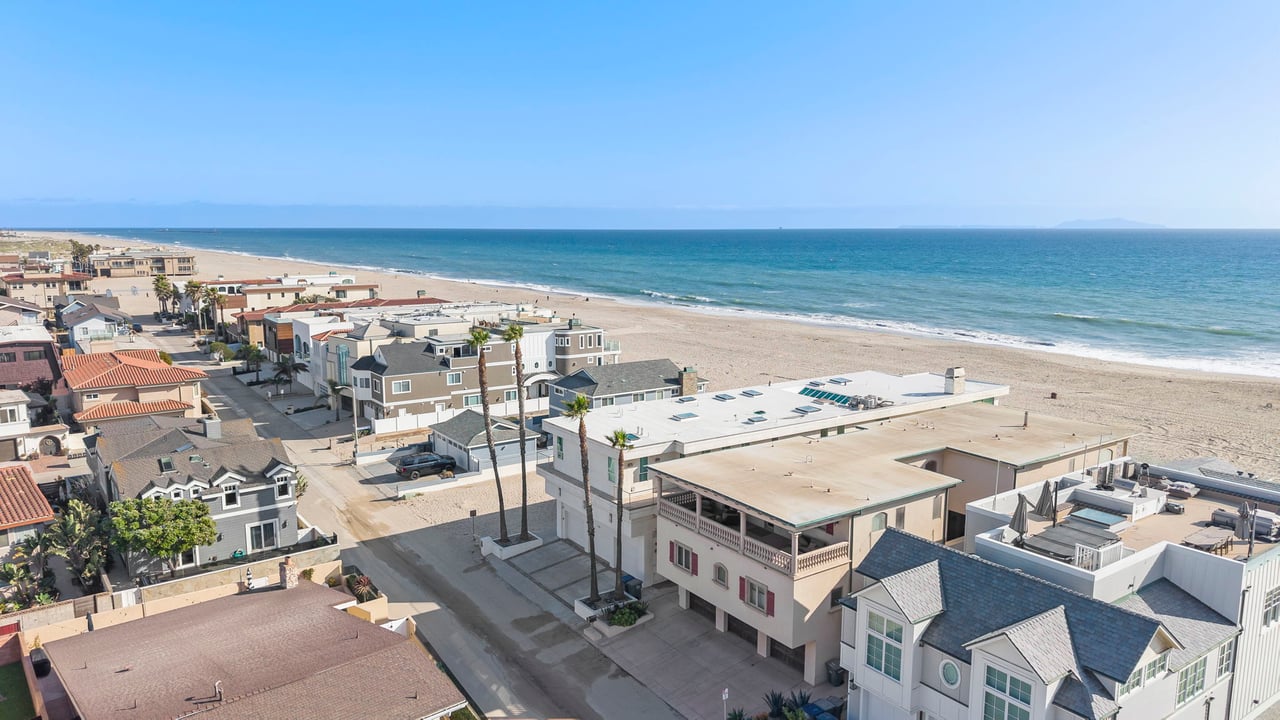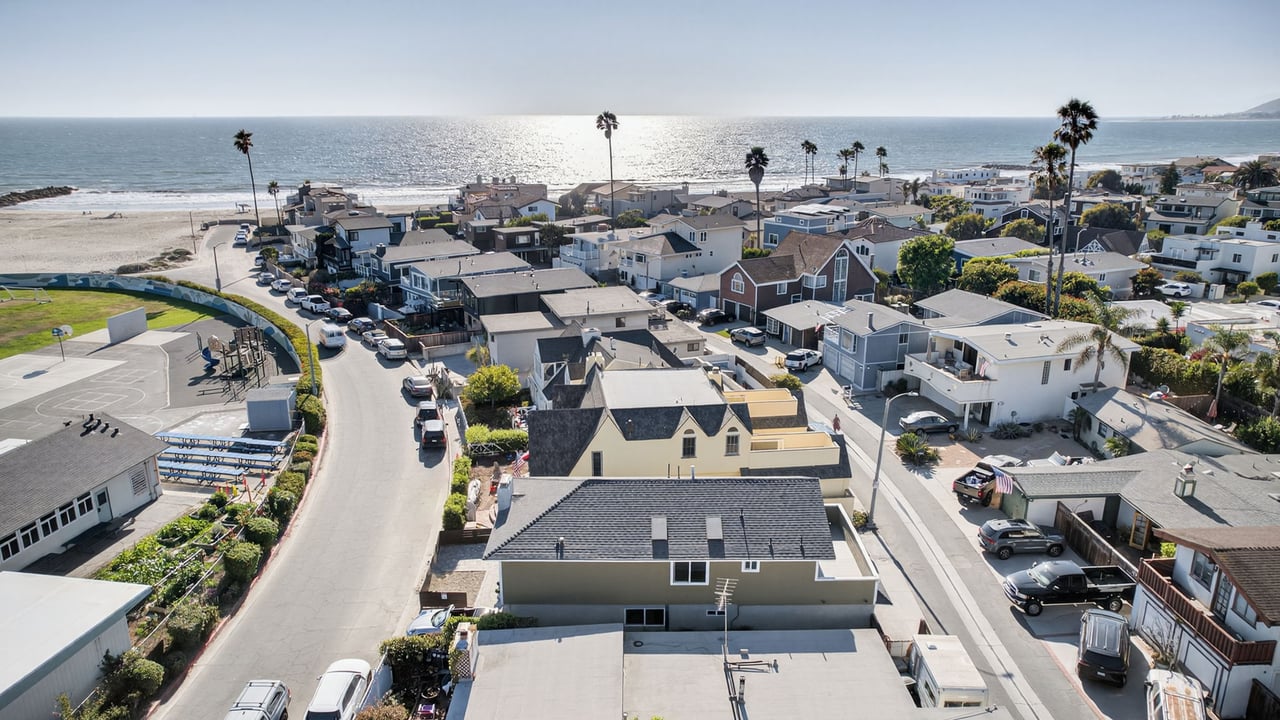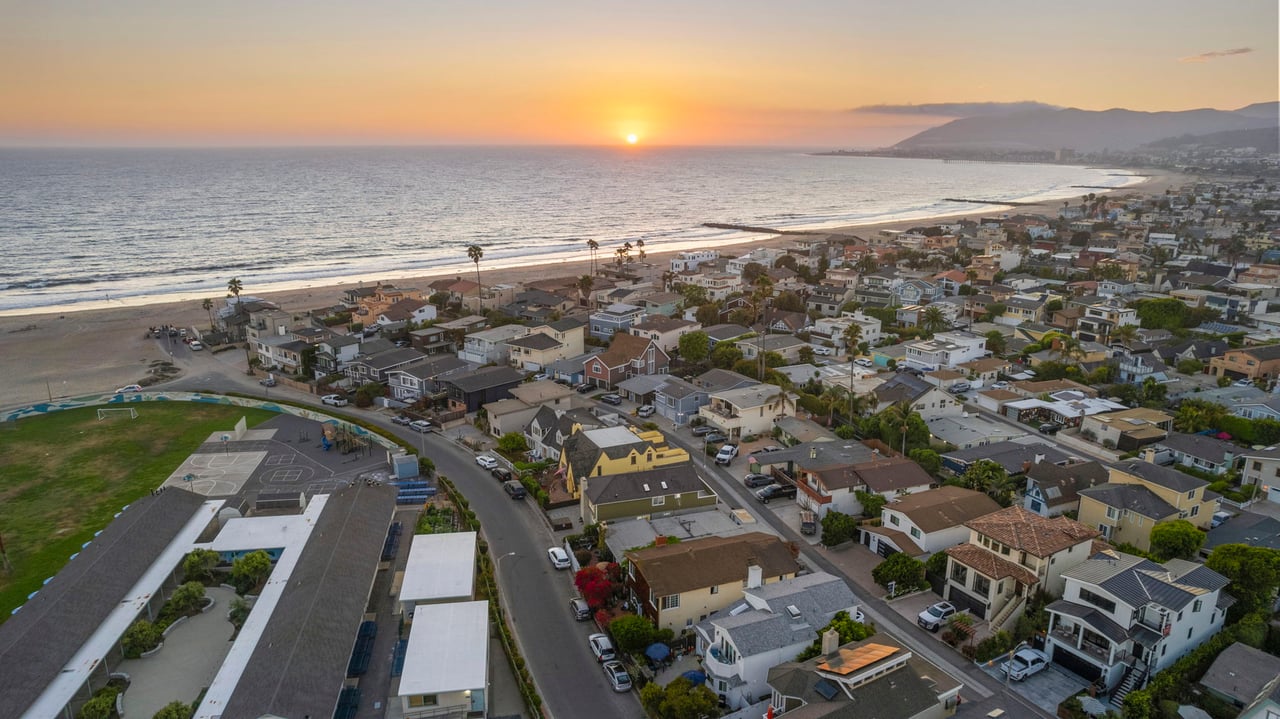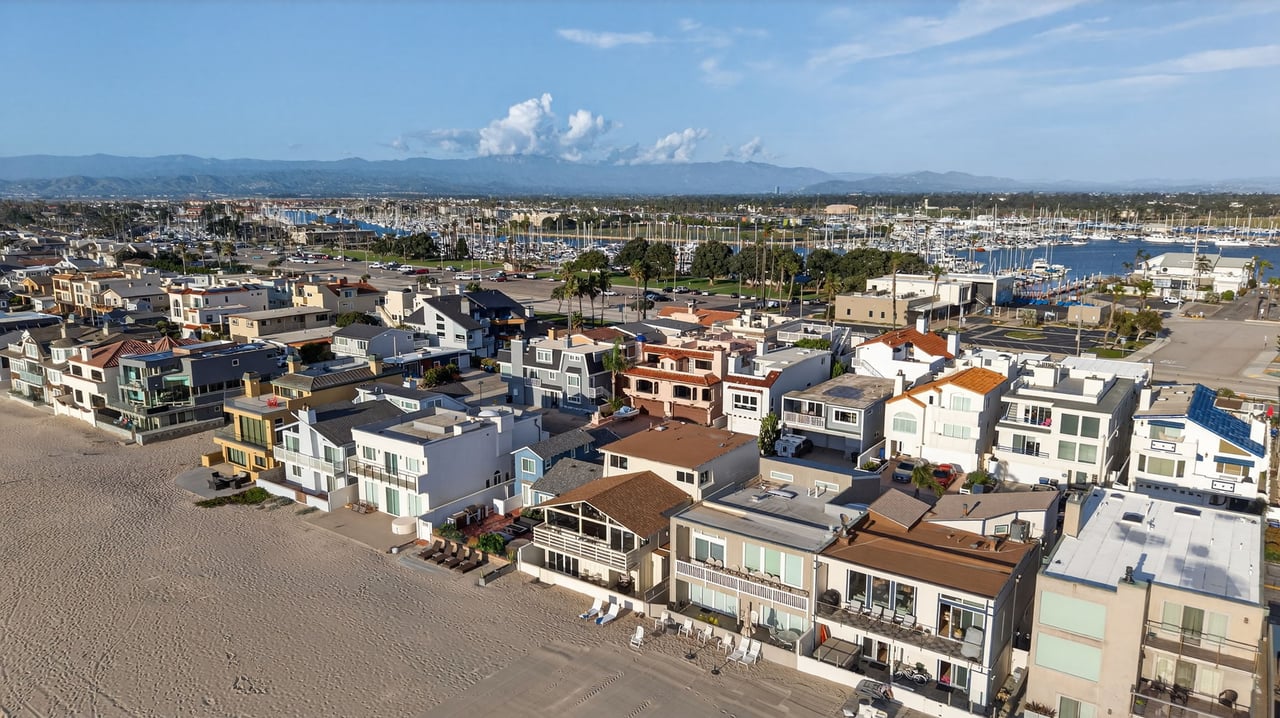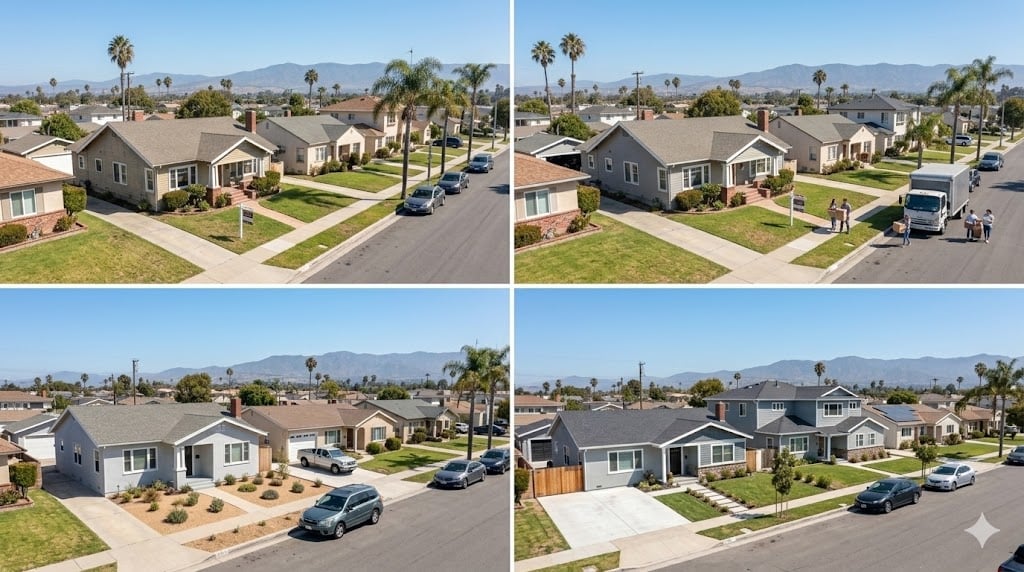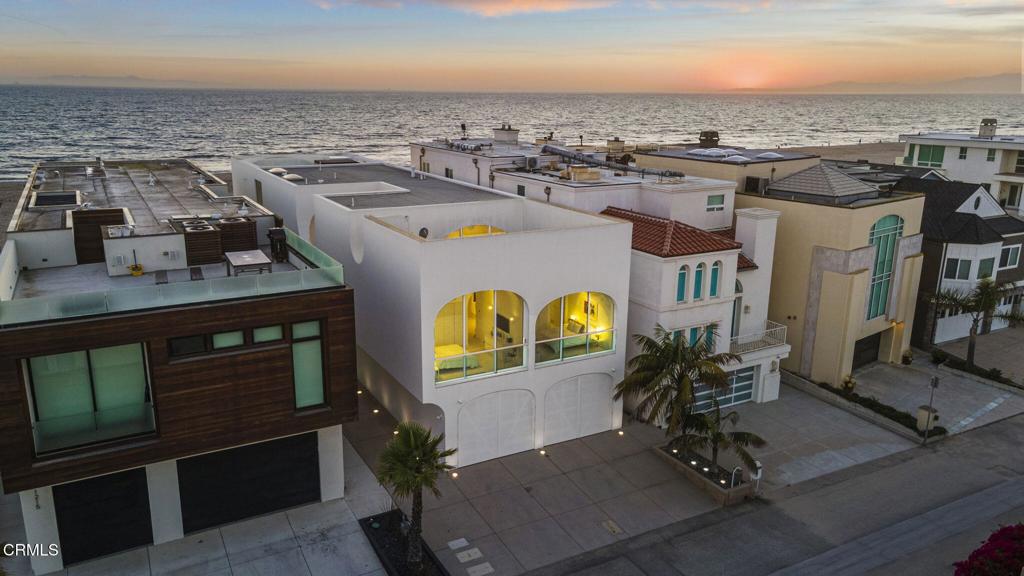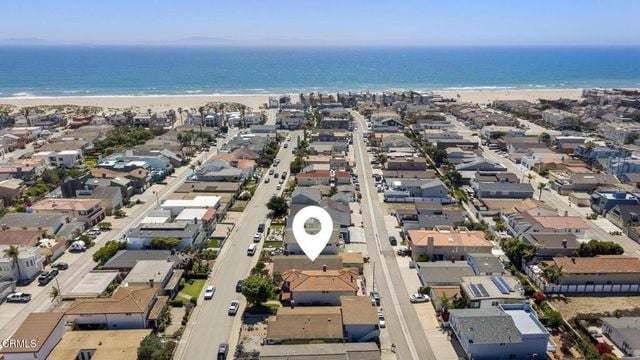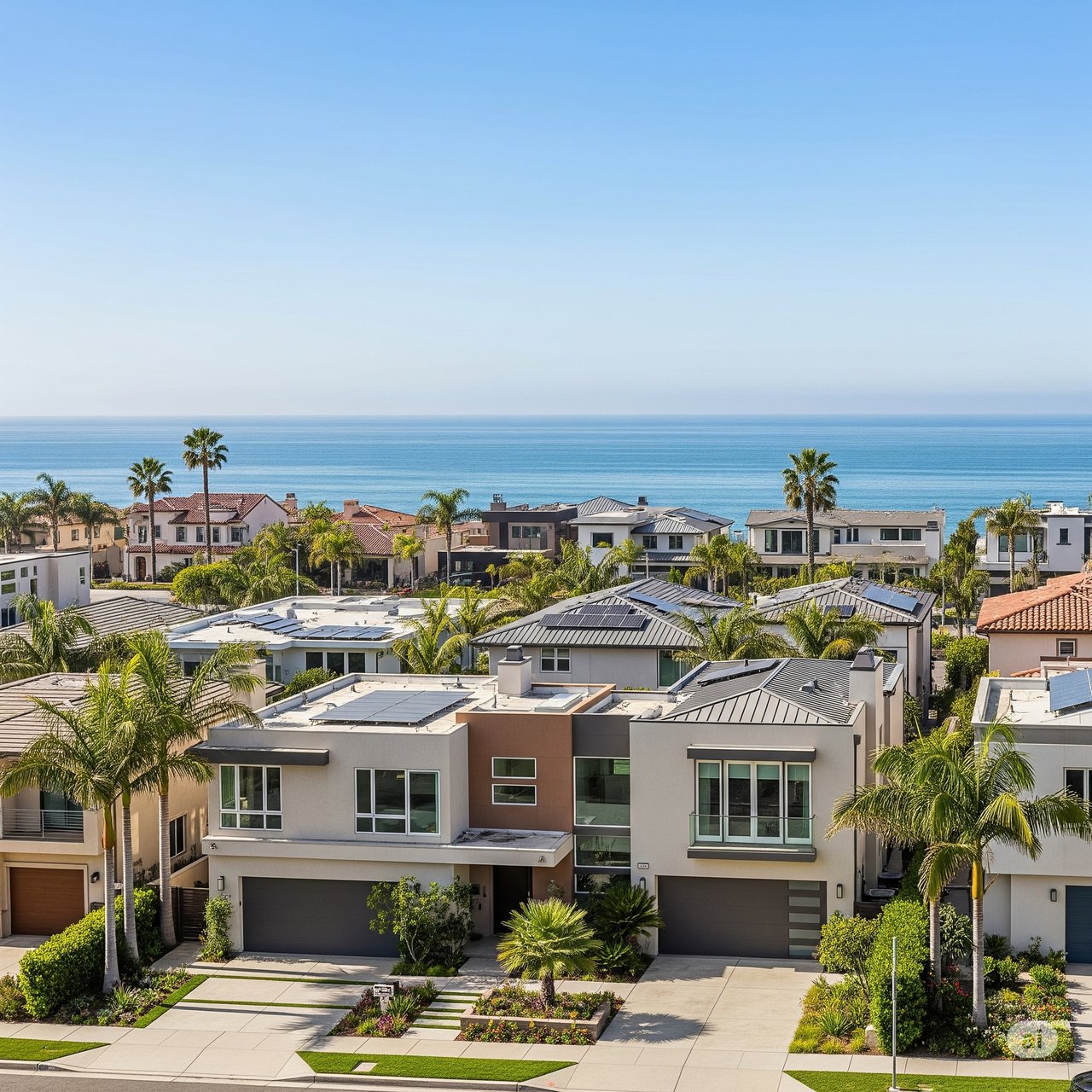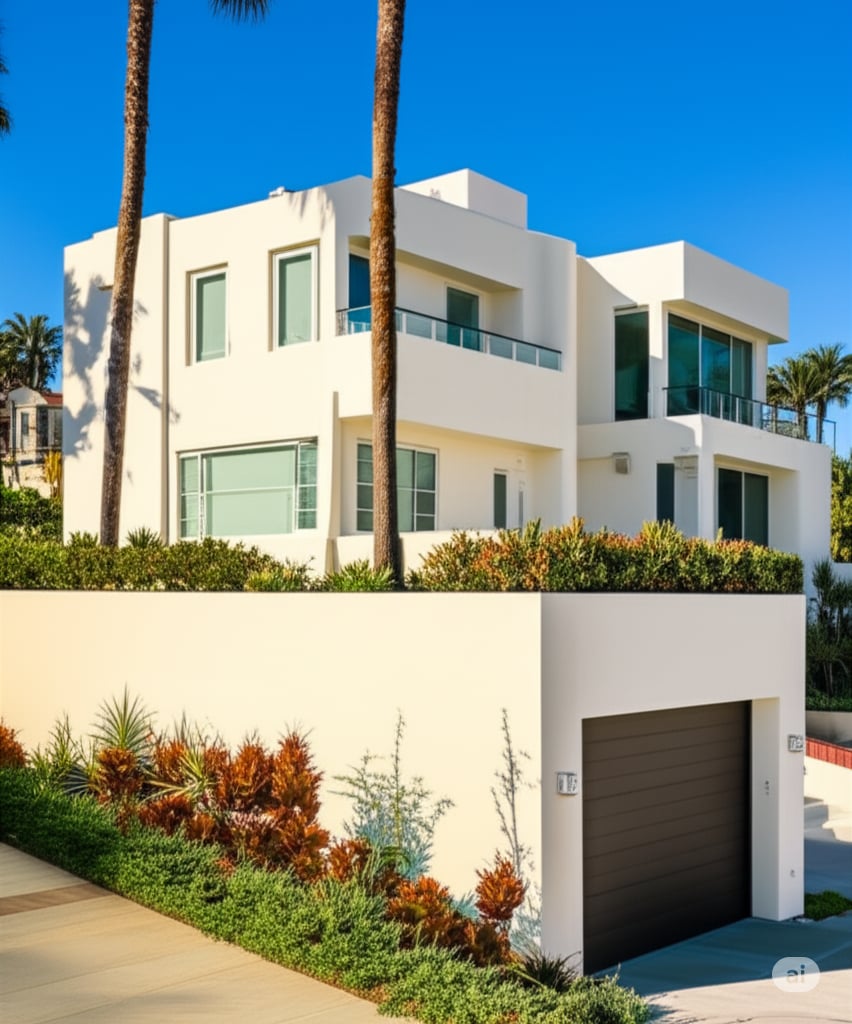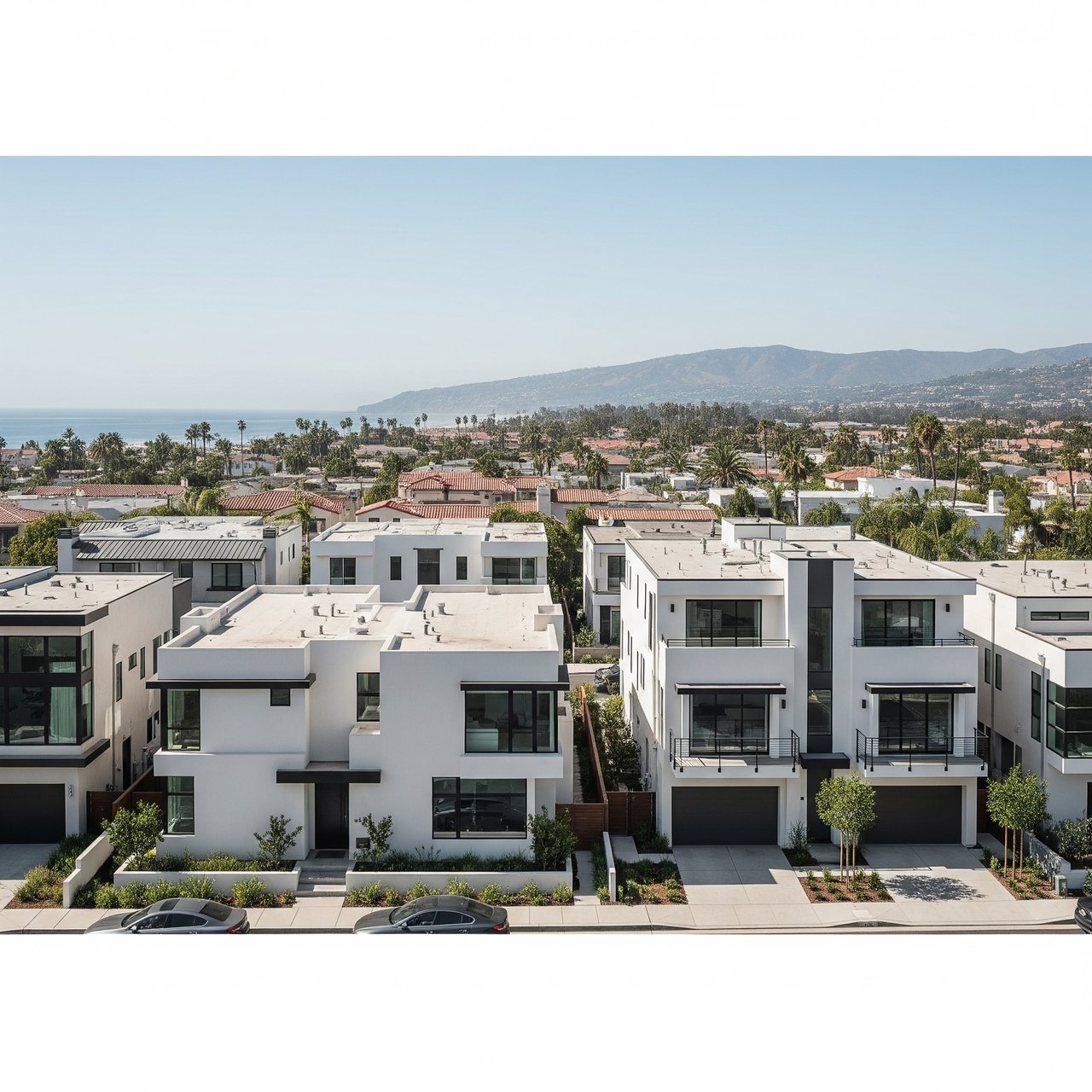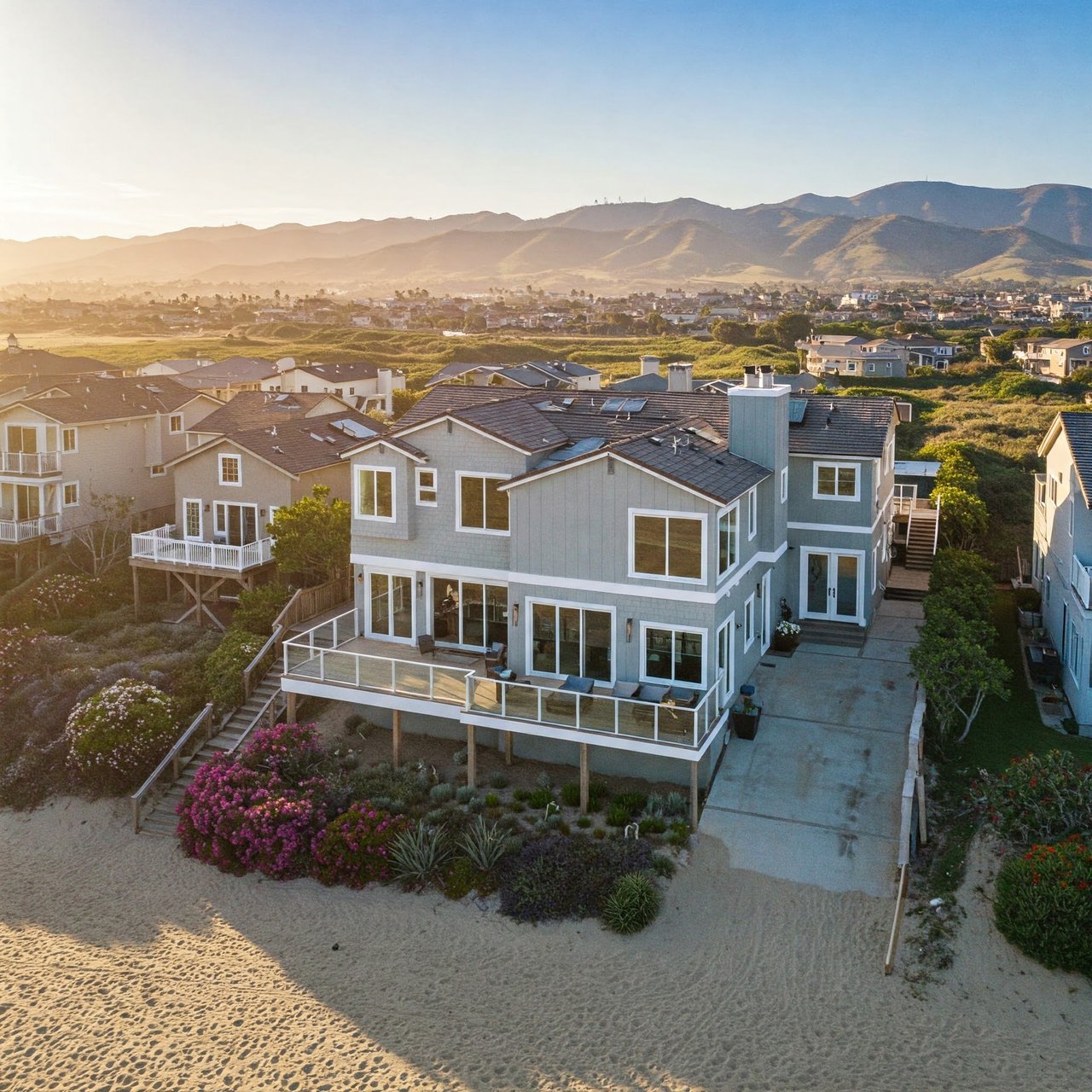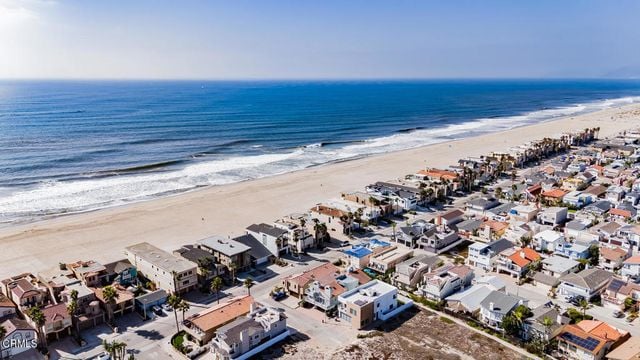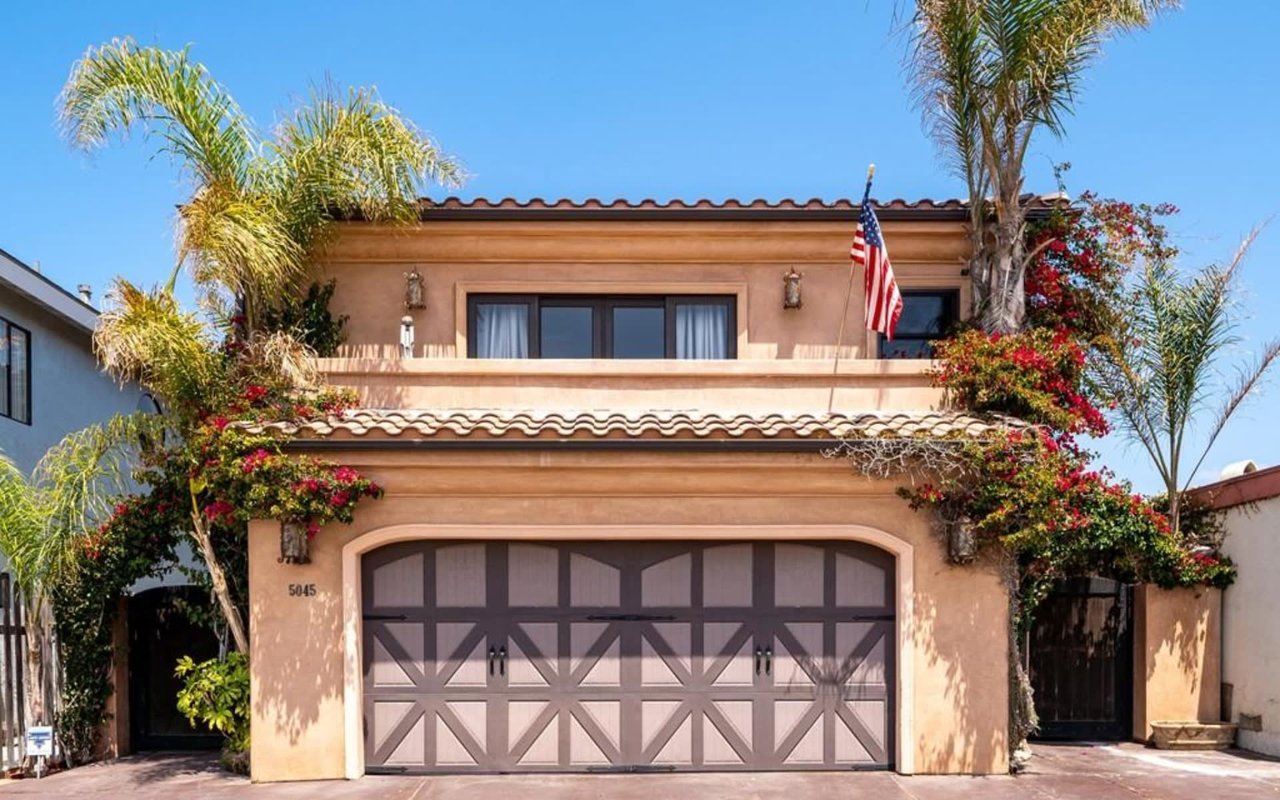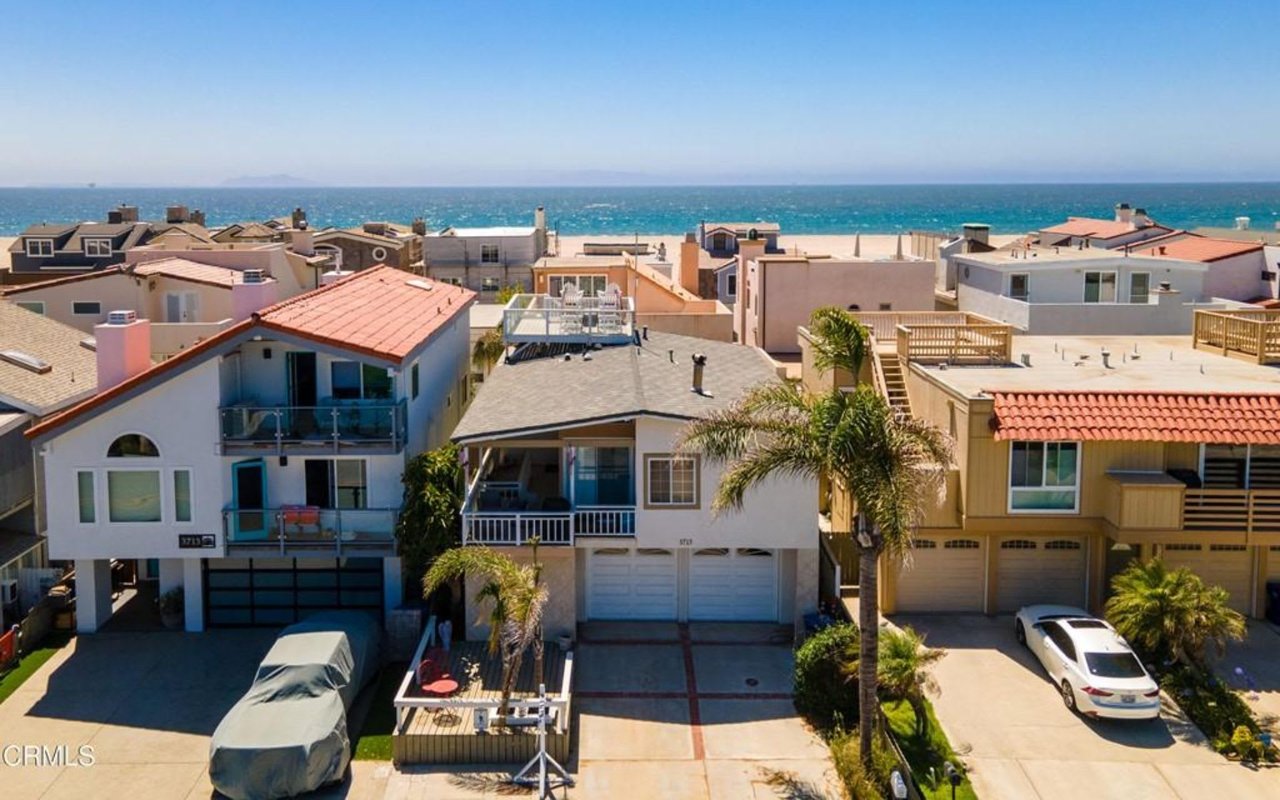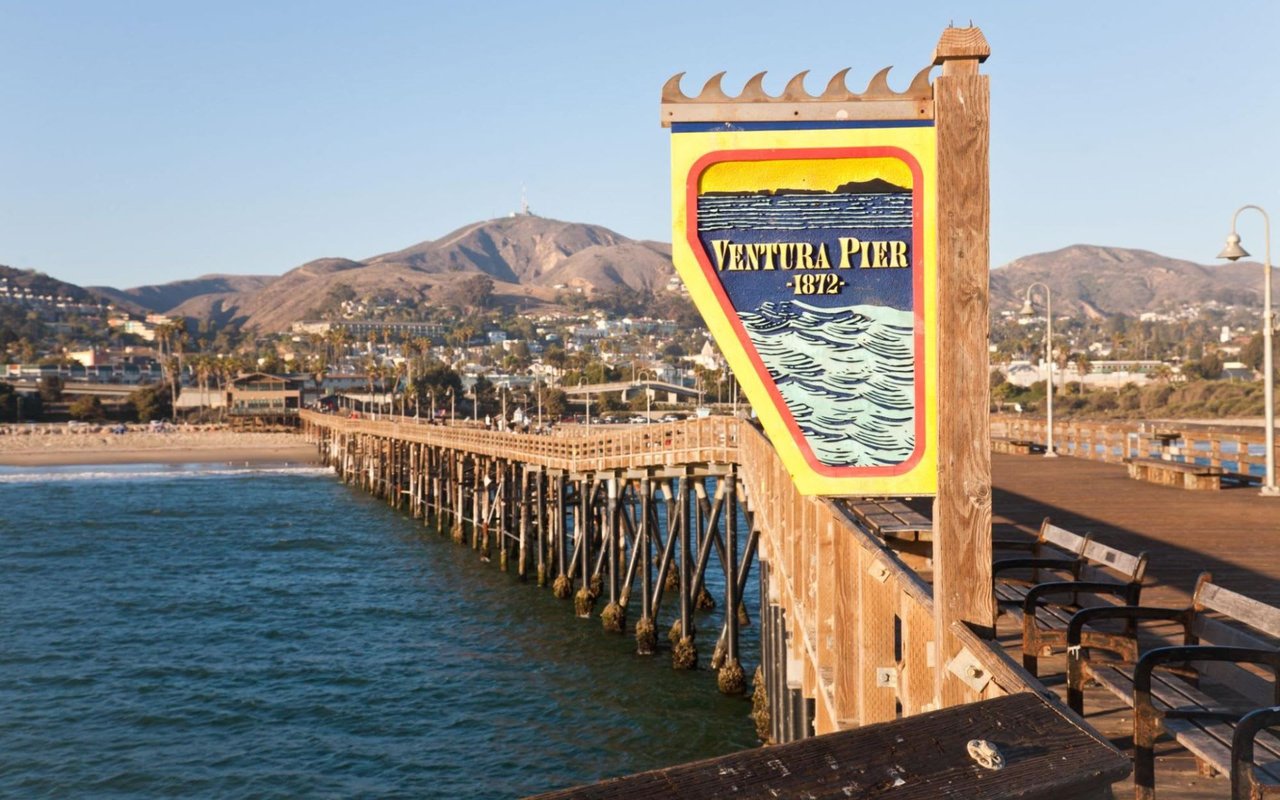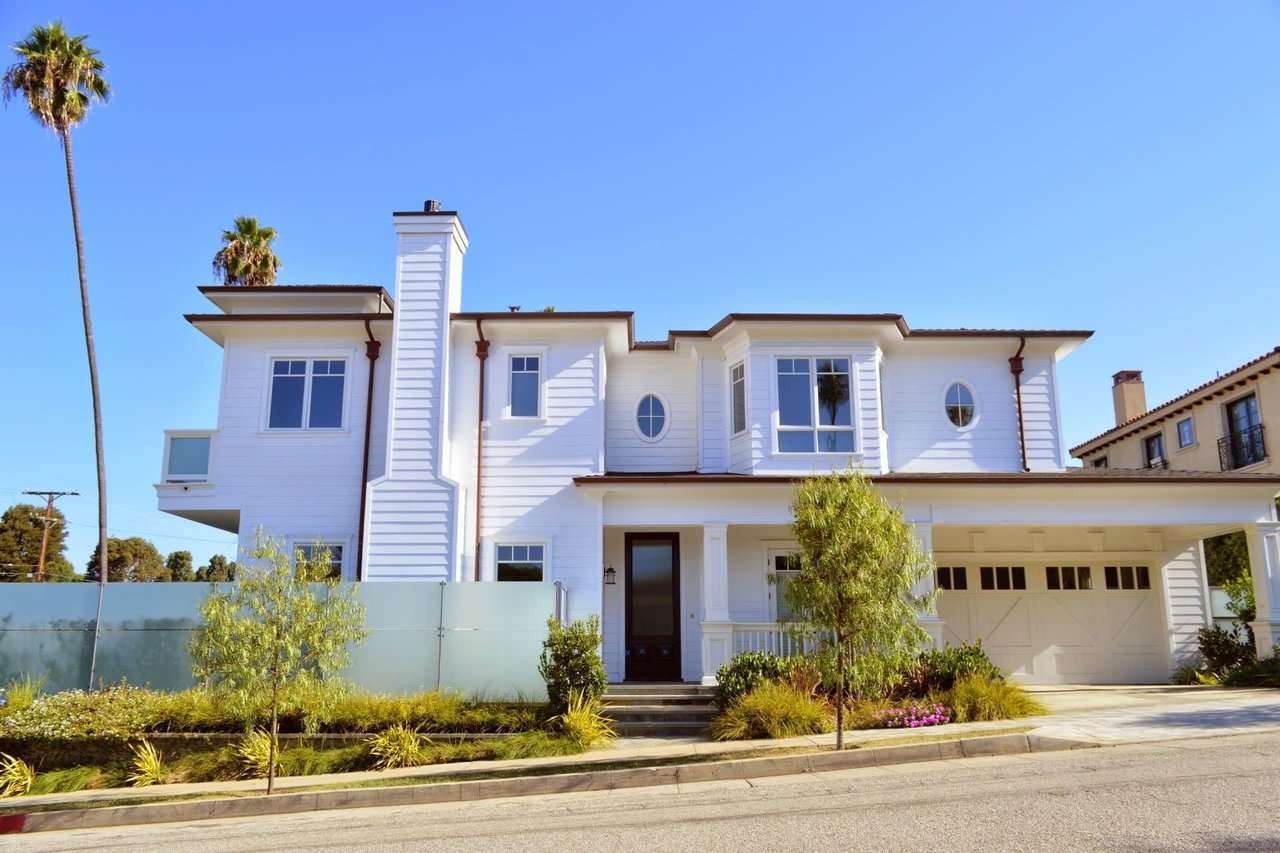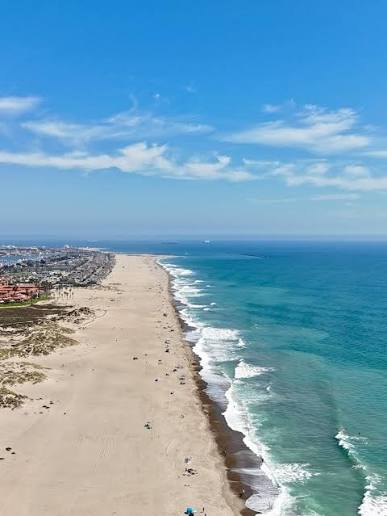
Silver Strand Beach in Oxnard is renowned for its unpretentious, surf-centric vibe, wide sandy shoreline, and authentic coastal heritage. Positioned directly along the Pacific Ocean near Channel Islands Harbor, Silver Strand attracts homebuyers and investors looking to craft custom oceanfront retreats or renovate classic beach homes.
However, owning and remodeling a property along a dynamic beach corridor requires a clear plan for coastal weathering, wind exposure, and shoreline stability. From choosing marine-grade materials to understanding erosion safeguards and floodproofing, navigating local environmental conditions ensures your renovation preserves equity and stands the test of time. Here is everything Silver Strand homeowners and buyers need to know.
Understanding Coastal Shoreline Dynamics and Bluff Stability
Sand drift, erosion patterns, and regional shoreline management
Unlike steep coastal cliffs found in other parts of Southern California, much of Silver Strand sits on flat, low-lying beachfront land framed by coastal dunes. While bluff failure is not a primary concern for flat parcel lots, seasonal storm surges, king tides, and wave action naturally shift shoreline sand throughout the year.
Silver Strand benefits from ongoing regional sand management and beach nourishment initiatives coordinated by local and state agencies. These projects help replenish sand levels, maintain protective dune barriers, and shield oceanfront structures from high-water events.
Flood zones and base flood elevation (BFE) standards
When remodeling an existing oceanfront home or expanding its footprint in Silver Strand, complying with Federal Emergency Management Agency (FEMA) guidelines is mandatory. Most oceanfront properties fall within designated FEMA flood zones (such as VE or AE zones).
Under local building codes, major renovations or structural additions must elevate living quarters above the established Base Flood Elevation (BFE). Utilizing raised pile foundations, break-away enclosure walls on ground levels, and flood-vented garages allows storm surge waters to pass beneath living spaces without compromising structural integrity.
Weather-Resistant Design: Managing Ocean Winds and Salt Air Exposure
Corrosion-resistant exterior materials
The constant onshore ocean breeze delivers salt spray that rapidly degrades standard building materials. When selecting exterior finishes for a Silver Strand remodel, prioritizing marine-grade specifications prevents premature wear and costly maintenance:
Metal Fixtures & Hardware: Standard stainless steel will pit and rust over time. Specify 316 marine-grade stainless steel, anodized aluminum, or copper for outdoor light fixtures, railings, and door hardware.
Siding & Wall Cladding: Fiber-cement siding, natural cedar, and engineered composite materials outperform traditional wood siding by resisting rot, moisture absorption, and salt corrosion.
Windows & Doors: Dual-pane or triple-pane impact-resistant glass housed in vinyl-clad or anodized aluminum frames protects interiors from high-wind pressures and salt intrusion.
Roof design and wind-load engineering
Silver Strand experiences strong coastal wind gusts, especially during seasonal winter storms. Roof design should incorporate high-wind rated shingles, standing-seam metal roofing, or interlocking clay/concrete tiles anchored with corrosion-resistant fasteners.
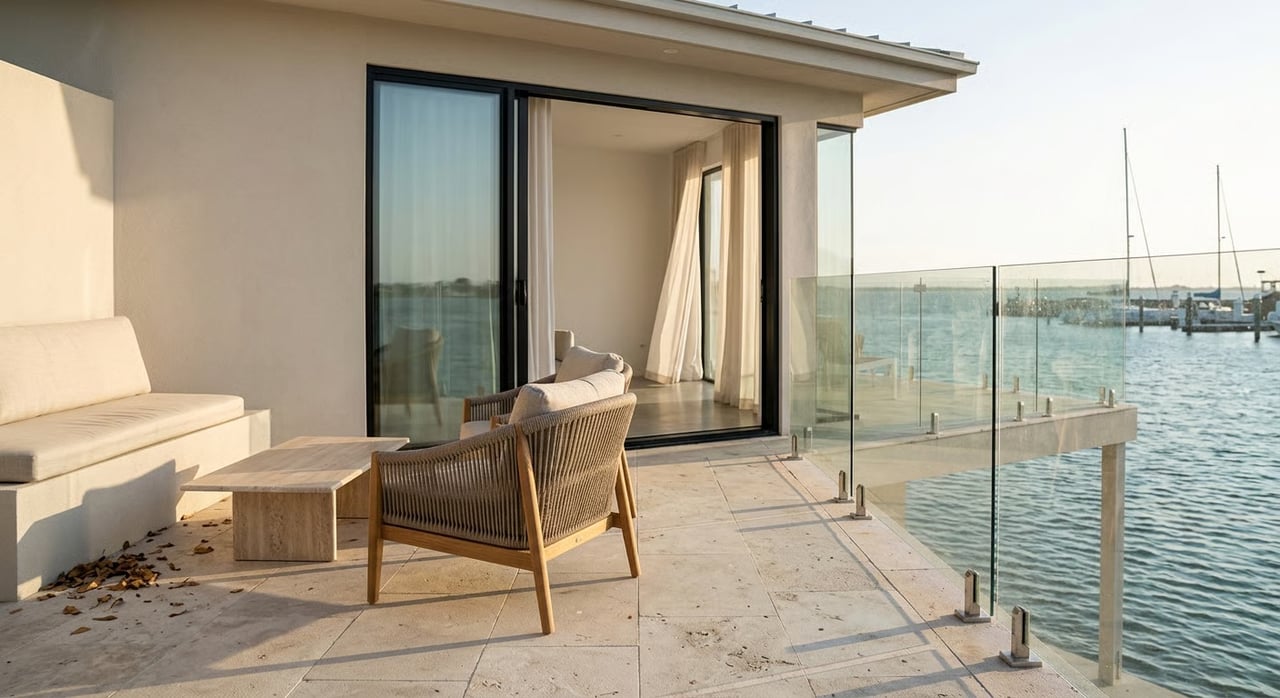
Additionally, wide roof overhangs and covered balconies help shelter exterior walls, window seals, and door frames from wind-driven rain and salt spray.
Coastal Permitting Steps for Silver Strand Remodeling Projects
Step 1: Pre-design site and elevation survey
Before finalizing architectural blueprints, order a comprehensive topographic and boundary survey. Confirm exact property lines, existing dune boundaries, and base flood elevations to determine structural height and setback constraints.
Step 2: City of Oxnard and Coastal Development Permit (CDP) review
Exterior expansions, second- or third-story additions, and structural foundation modifications require plan checks through the City of Oxnard Planning Division and often trigger Coastal Development Permit (CDP) compliance. Minor interior cosmetic remodels generally proceed under standard municipal building permits.
Step 3: Contractor staging on narrow beach avenues
Silver Strand is famous for its narrow, compact avenues. Coordinate construction logistics early with your general contractor to secure temporary street encroachment permits for dumpsters, staging materials, and trade vehicles without obstructing neighbor access or emergency routes.
A Smart Remodeling Checklist for Silver Strand Buyers and Owners
If you are evaluating a Silver Strand beach home for renovation potential, follow this practical checklist during your due diligence window:
Inspect Foundation and Structural Anchors: Hire a structural engineer experienced in coastal properties to inspect piling foundations, framing connectors, and ground-level shear walls for rust or settling.
Audit Building Envelope Seals: Check window flashings, stucco seams, and deck waterproofing membranes for water intrusion or salt air degradation.
Verify FEMA Flood Zone Requirements: Check the property's flood zone designation to calculate required flood insurance rates and elevation mandates for future expansions.
Budget for Marine-Grade Upgrades: Allocate a 15% to 20% material premium for 316-grade stainless steel, impact glass, and salt-resistant coatings.
Partner with a Coastal Real Estate Specialist: Work with an experienced local advisor who understands Silver Strand zoning, shoreline management, and building codes.
Remodeling or updating a home in Silver Strand is one of the most rewarding ways to create a customized coastal sanctuary that builds long-term equity. By prioritizing storm resilience, durable materials, and proper coastal permitting, you can protect your investment for years to come. If you want expert, data-driven advice on buying or selling a home in Silver Strand, Ann Howarth is here to guide your path.
FAQs
Is coastal bluff erosion a major risk for Silver Strand homes?
Because Silver Strand sits primarily on flat beachfront land protected by wide sand corridors rather than high ocean bluffs, bluff collapse is not a primary risk. However, oceanfront homes must still manage seasonal wave action and sand drift through proper foundation design.
Do I need a Coastal Development Permit to remodel in Silver Strand?
Minor interior renovations usually do not require a CDP. However, structural additions, exterior expansions, adding new stories, or altering foundations generally require local coastal review or a CDP through the City of Oxnard.
What hardware materials hold up best against salt air in Silver Strand?
Marine-grade 316 stainless steel, anodized aluminum, copper, and specialized composite materials offer the highest resistance to salt-spray corrosion and rust along the beachfront.
How do flood zone rules affect second-story additions in Silver Strand?
If a remodel involves major structural work exceeding 50% of the structure's value, municipal codes require bringing the entire building up to current FEMA flood standards, which may involve elevating lower living areas above Base Flood Elevation.
Can I build a rooftop deck on my Silver Strand home?
Yes, rooftop decks are popular in Silver Strand for capturing 360-degree ocean and harbor views, provided the deck surface, railings, and stair enclosures remain within the City of Oxnard's 30-foot building height cap.