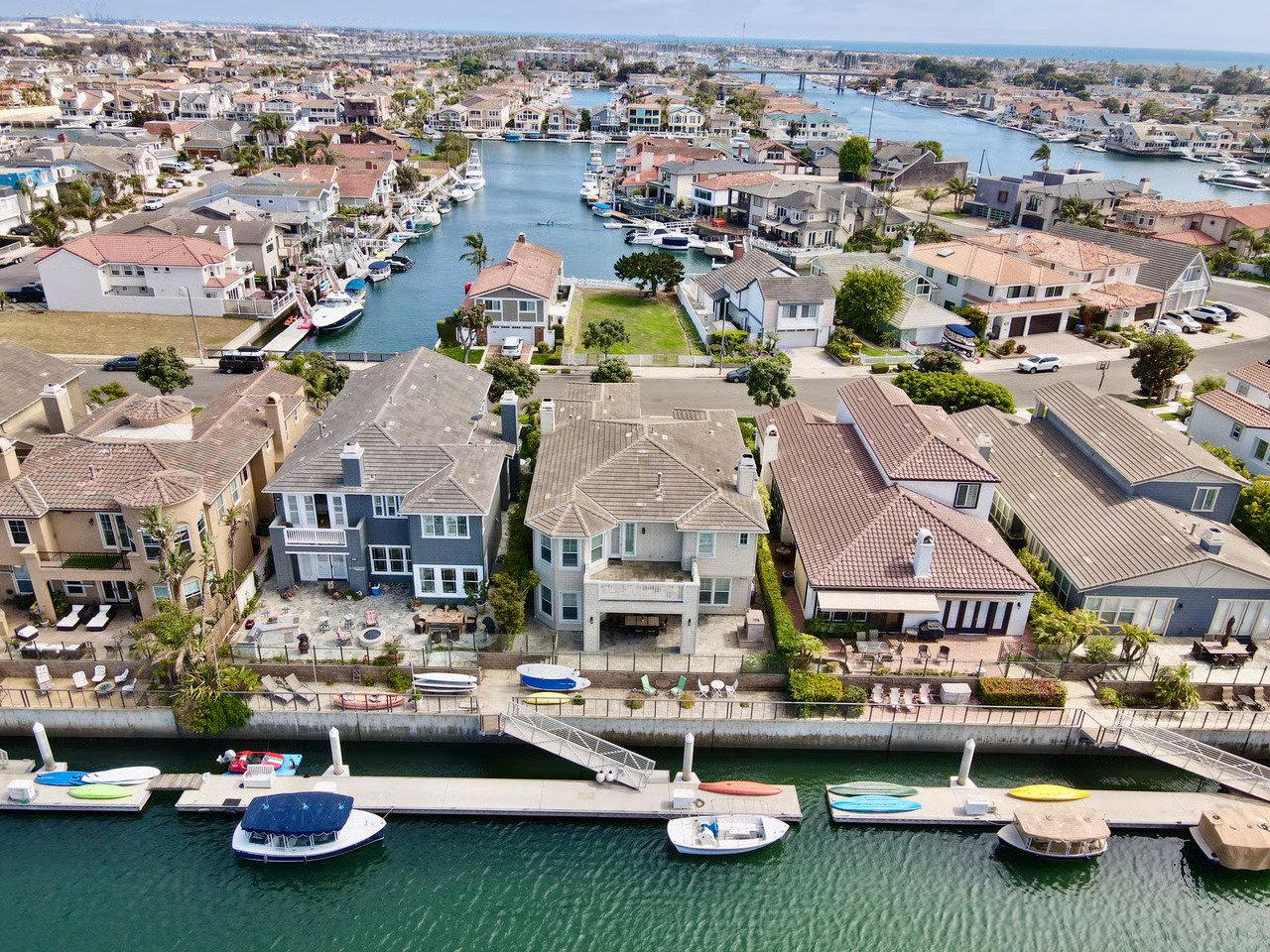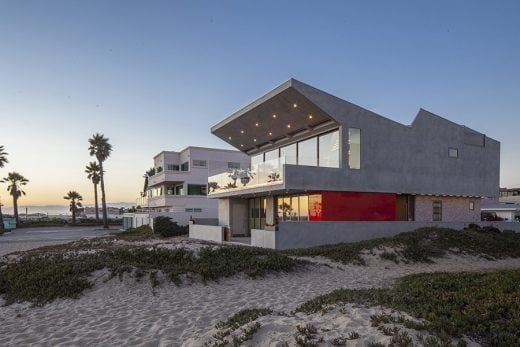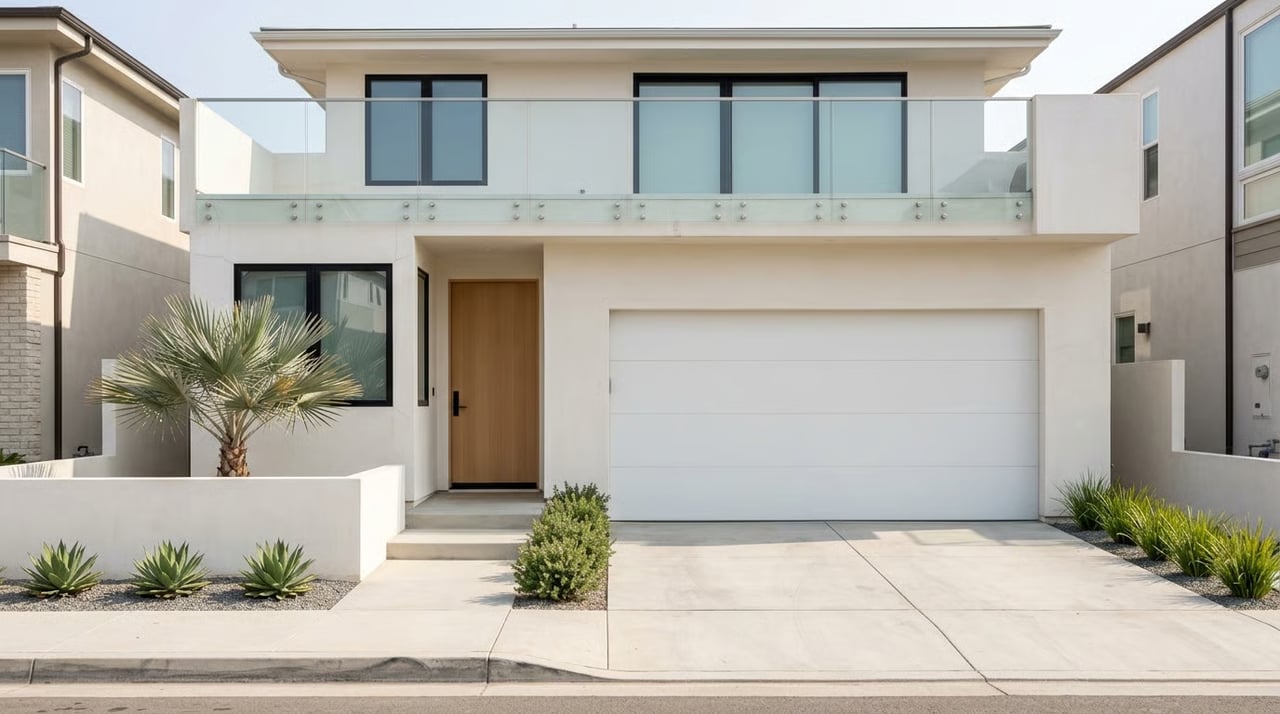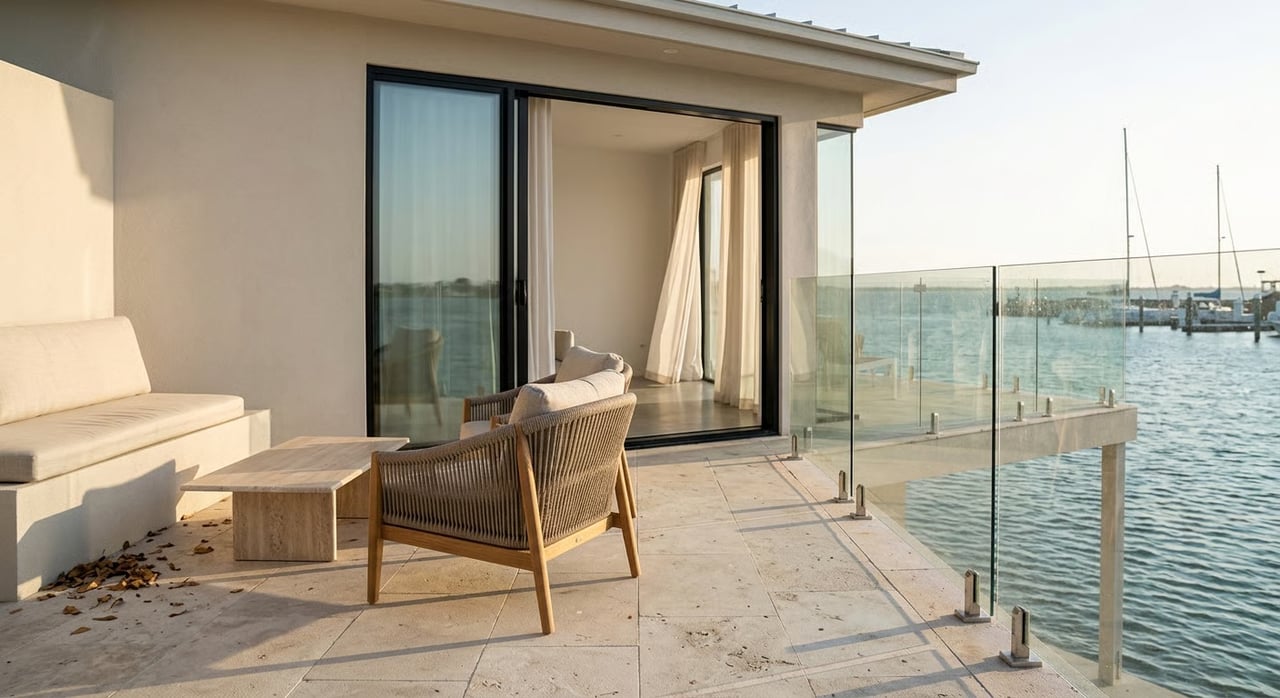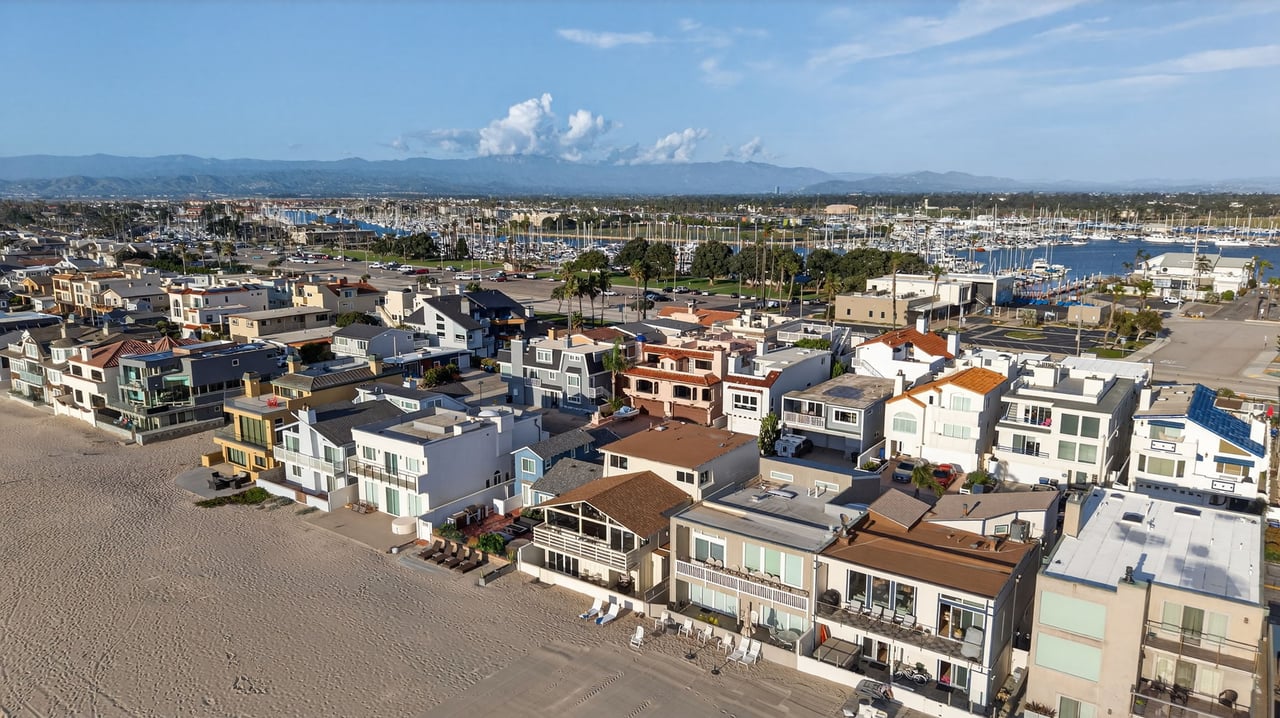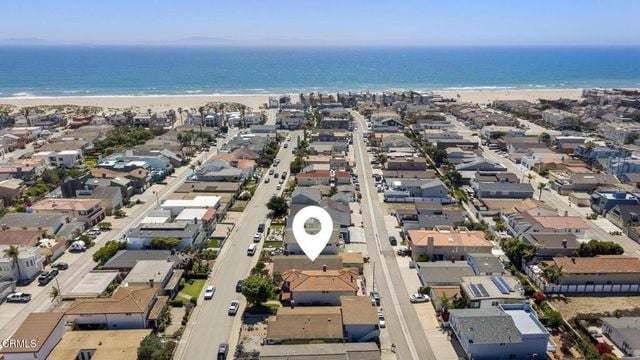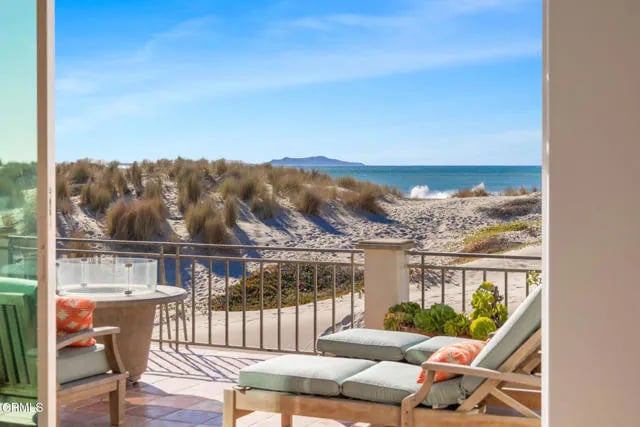
If you own or are buying property in Oxnard Shores, understanding local rental regulations is essential whether you plan to generate passive income or preserve future flexibility. In a beachfront neighborhood where property values routinely sit well above broader city medians, operating a rental requires balancing local zoning, city permits, and strict caps.
The good news is that Oxnard Shores remains one of the most desirable coastal rental markets in Ventura County. However, operating legally demands a clear understanding of the rules governing short-term vacation rentals (STRs) versus long-term residential leases. Let’s dive in.
Navigating Oxnard Shores Short-Term Rental Rules
The 10% neighborhood cap and 200-foot separation rule
Unlike some coastal cities with blanket bans, the City of Oxnard permits Short-Term Vacation Rentals (STRs) in residential beachfront areas like Oxnard Shores, but under tight structural constraints.
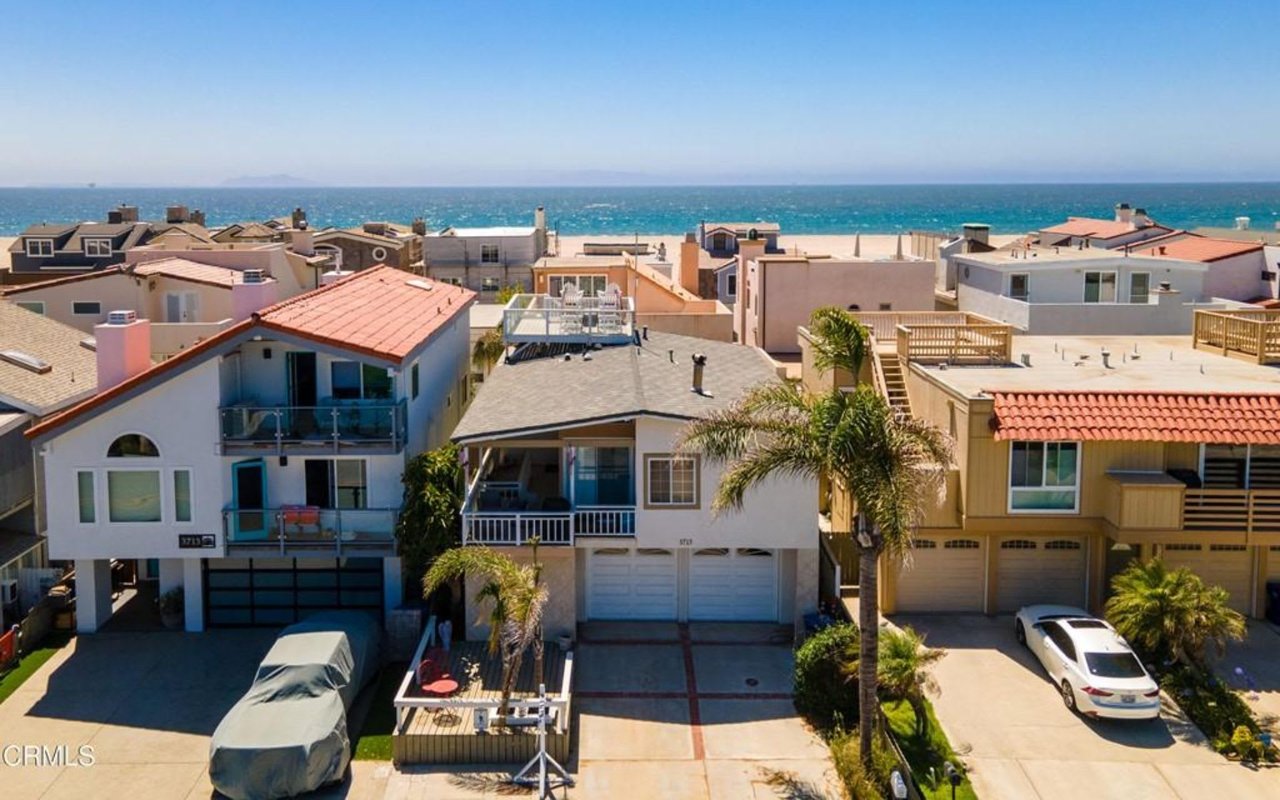
First, the city enforces a neighborhood cap. While general Oxnard neighborhoods are capped at 5%, the beachfront zone (which includes Oxnard Shores and Mandalay) allows up to 10% of housing units to hold an STR permit.
Second, new permits must satisfy a spacing requirement: a proposed STR property cannot be located within 200 feet of an existing permitted STR, measured horizontally between property lines. This rule prevents over-concentration on popular oceanfront streets like Mandelay Beach Road.
The 100-night annual limit and 3-night minimum stay
For un-hosted vacation rentals (where the owner does not live on-site during the stay), Oxnard caps short-term rental operations at a maximum of 100 rental nights per calendar year.
In addition, the city enforces a mandatory 3-night minimum stay for vacation rentals. This rule is designed to reduce turn-over noise and discourage single-night "party houses" in quiet beach streets. If you are underwriting an investment property in Oxnard Shores, your financial projections must account for this 100-night cap rather than assuming 365-day availability.
Occupancy, parking, and quiet hours
When hosting short-term guests, property owners must enforce strict operational boundaries:
Occupancy limits: Overnight occupancy is capped at 2 people per bedroom plus 2 additional guests, up to a maximum total of 10 people regardless of home size.
Parking mandates: All guest vehicles must be parked on-site in driveways or garages; street parking for STR guests is strictly prohibited by city ordinance.
Quiet hours: Mandatory quiet hours run from 10:00 p.m. to 7:00 a.m.. Outdoor amplified sound (like speakers on rooftop decks or patio yards) is not permitted at any time.
Permits, Licenses, and Tax Responsibilities
Obtaining your City permit and Business License
To operate an STR legally in Oxnard Shores, owners must complete a two-part application process through the City Planning Division:
Pre-qualification & Land Use Permit: Reviewing zoning, checking the 200-foot separation distance, and verifying neighborhood cap availability.
City Business License: All short-term lodging operators must hold an active City of Oxnard Business Tax Certificate.
Note that STR permits are property- and operator-specific; they do not automatically transfer to a new buyer when a home is sold. If you purchase an existing beach home with an STR permit, you must re-apply under your own name.
Collecting and remitting Transient Occupancy Tax (TOT)
Short-term rentals in Oxnard Shores are subject to the City’s Transient Occupancy Tax (TOT), currently set at 10% of the gross rent charged to guests.
Operators are required to collect this tax on all stays under 30 consecutive days and remit it to the city on a regular reporting schedule. Furthermore, all online advertisements (including Airbnb, VRBO, or local listing sites) must display both your city-issued Land Use Permit number and Business License identification number.
Designated contact person requirements
Un-hosted rentals must designate a local contact person or property manager who is available 24/7 and located within a 25-mile radius of the property. If a neighbor files a complaint regarding noise or parking, the designated contact must respond within 30 minutes (or within 15 minutes during quiet hours).
Long-Term Leasing: What Oxnard Shores Landlords Need to Know
Rent stabilization and Tenant Protection Ordinance
If you decide to rent your Oxnard Shores home on a long-term basis (leases of 30 days or longer), short-term rental rules no longer apply. Instead, you enter the framework governed by local and state residential landlord-tenant laws.
The City of Oxnard enforces a Rent Stabilization Ordinance that caps annual rent increases at 4% for covered properties. However, under California's Costa-Hawkins Rental Housing Act, most single-family homes and condominiums are exempt from local rent caps, provided the property is not owned by a REIT, corporation, or corporate LLC, and proper written notice is given to the tenant.
Just-cause eviction and relocation requirements
Even when a single-family beach home is exempt from local rent caps, Oxnard’s Tenant Protection Ordinance applies to most tenancies after 30 days of continuous occupancy.
Landlords must have a recognized "just-cause" reason (either at-fault or no-fault) to terminate a tenancy. If an owner terminates a lease for a no-fault reason (such as moving into the property as a primary residence or undertaking substantial remodels), the landlord must provide relocation assistance equal to two months of rent or $5,000, whichever is greater.
Choosing the Right Rental Strategy for Your Beach Home
If you want a simple roadmap, consider which operating path aligns best with your property goals:
Short-Term Rental Path: Best for owners who want personal access to their beach home throughout the year while offsetting carrying costs during the 100 allowable rental nights. Verify the 200-foot separation distance before submitting an application.
Long-Term Rental Path: Best for investors seeking predictable, year-round rental income without night caps or 24/7 guest management. Ensure your lease agreement includes required local disclosure addendums from day one.
Mid-Term Rental Option (30+ Days): Renting furnished to traveling professionals or temporary relocations for 30+ consecutive days bypasses the 100-night STR cap, avoids the 10% TOT tax, and stays outside short-term permit requirements.
Navigating coastal rental laws is about choosing the right strategy before you launch. Whether you are planning a short-term vacation rental or converting a primary residence into a long-term property, staying compliant protects your investment and preserves your peace of mind. If you want expert, local guidance on buying, selling, or evaluating the income potential of an Oxnard Shores property, Ann is here to help.
FAQs
Are short-term rentals allowed in Oxnard Shores?
Yes, short-term rentals are allowed in Oxnard Shores with a city permit, provided the property meets zoning rules, adheres to the 10% beachfront neighborhood cap, and satisfies the 200-foot separation requirement from other permitted STRs.
How many days a year can I rent an Airbnb in Oxnard Shores?
Un-hosted vacation rentals in Oxnard are limited to a maximum of 100 rental nights per calendar year and require a minimum stay of 3 consecutive nights per reservation.
What is the Transient Occupancy Tax (TOT) rate in Oxnard?
The Transient Occupancy Tax rate in Oxnard is 10% of gross rent, which operators must collect from guests and remit to the city.
Do single-family homes in Oxnard Shores fall under local rent control?
Most single-family homes and condos are exempt from Oxnard's 4% local rent cap under the state Costa-Hawkins Act, provided they are not owned by a corporation or REIT and tenants receive proper written exemption notices.
What happens if I evict a long-term tenant in Oxnard for a no-fault reason?
Under Oxnard’s Tenant Protection Ordinance, a landlord ending a tenancy for a no-fault cause must pay tenant relocation assistance equal to two months of rent or $5,000, whichever is greater.