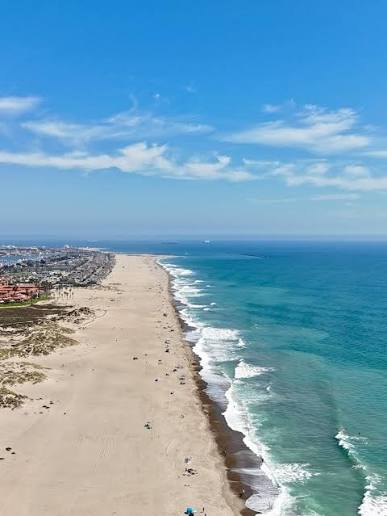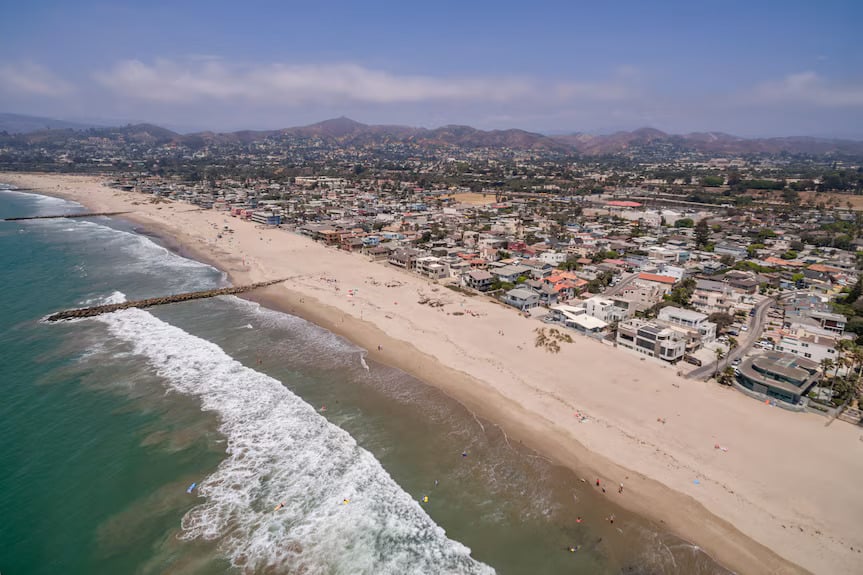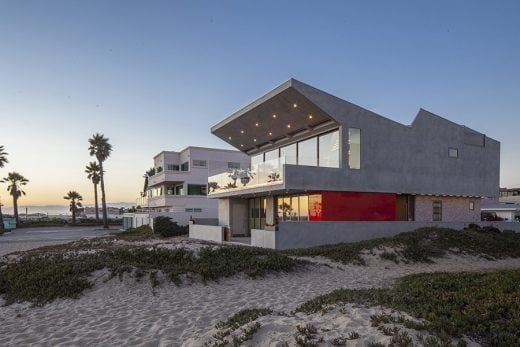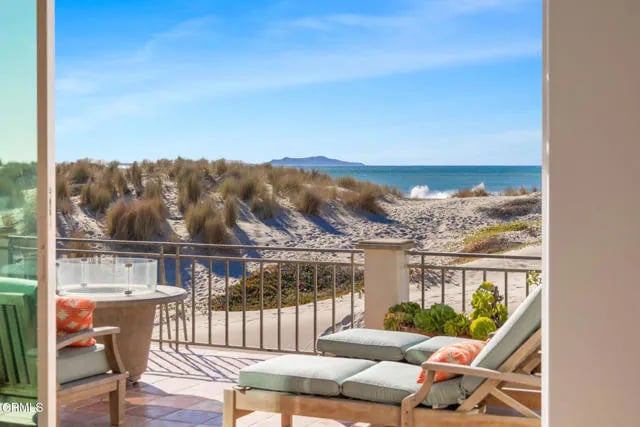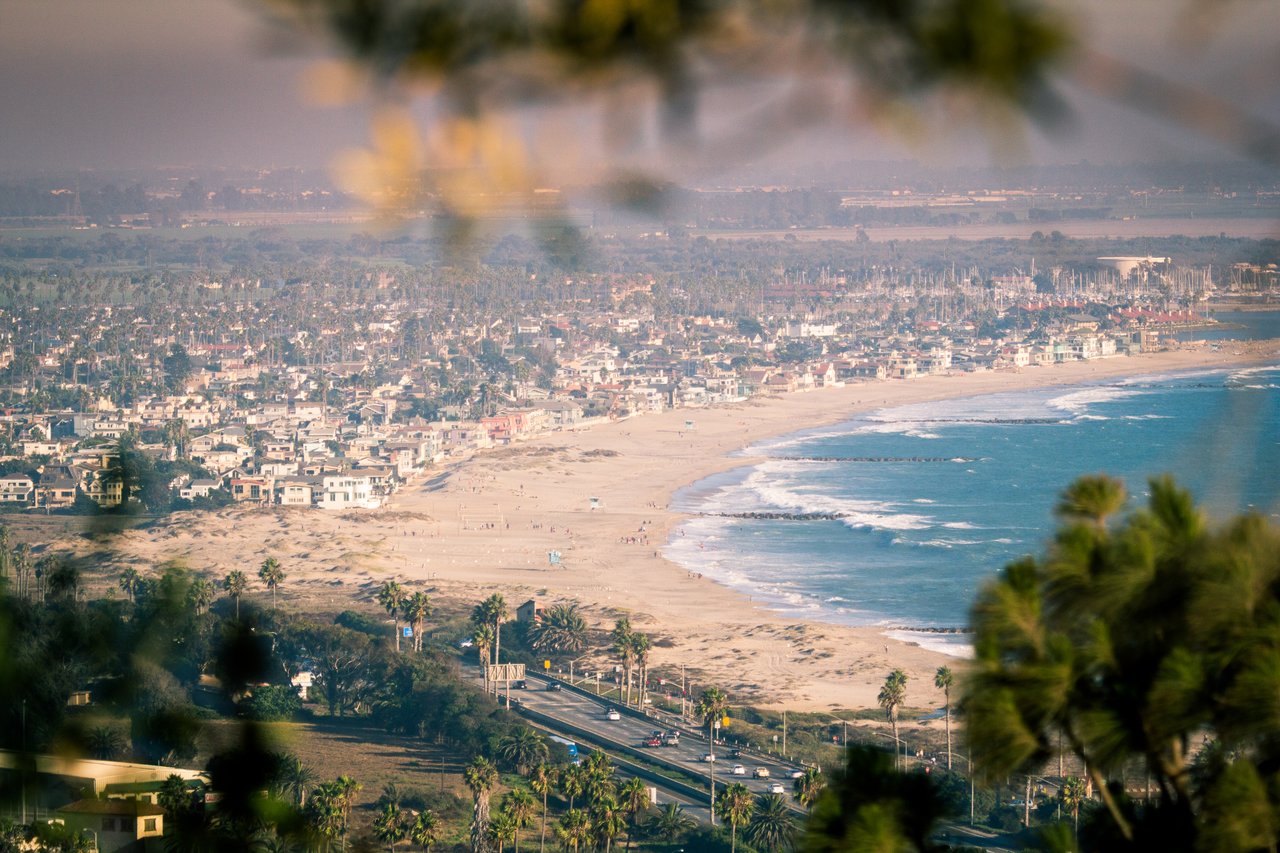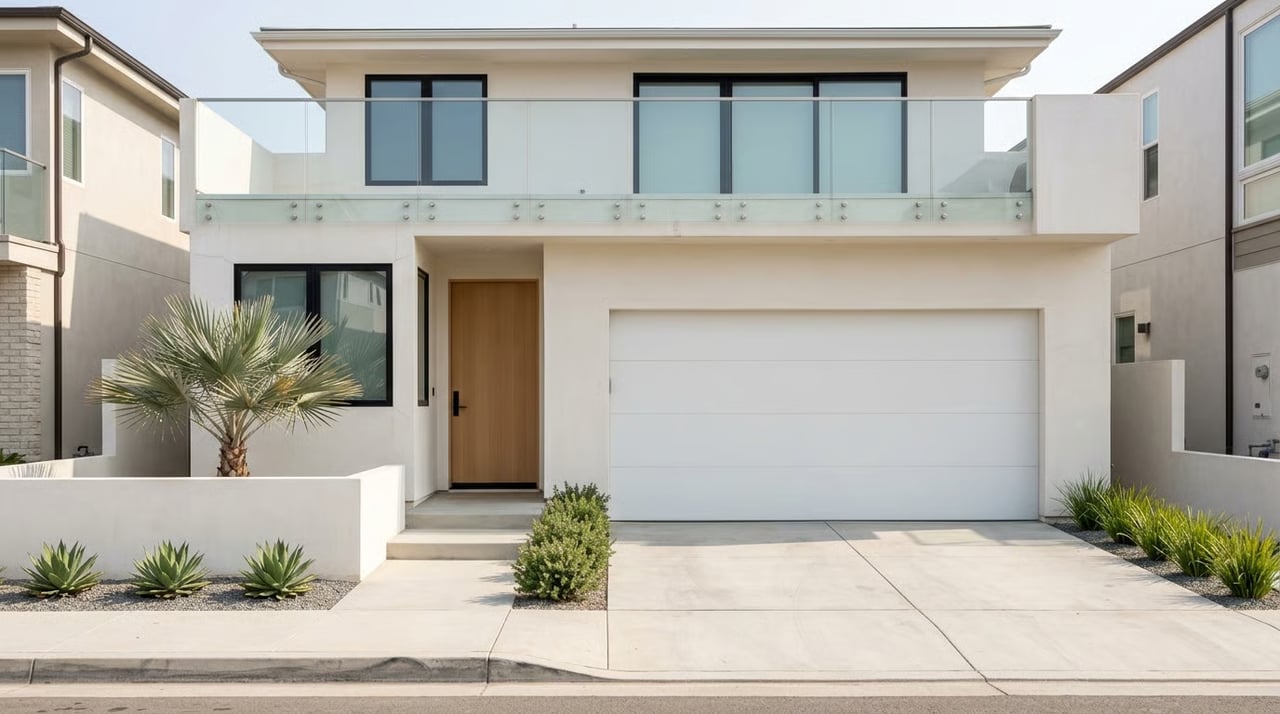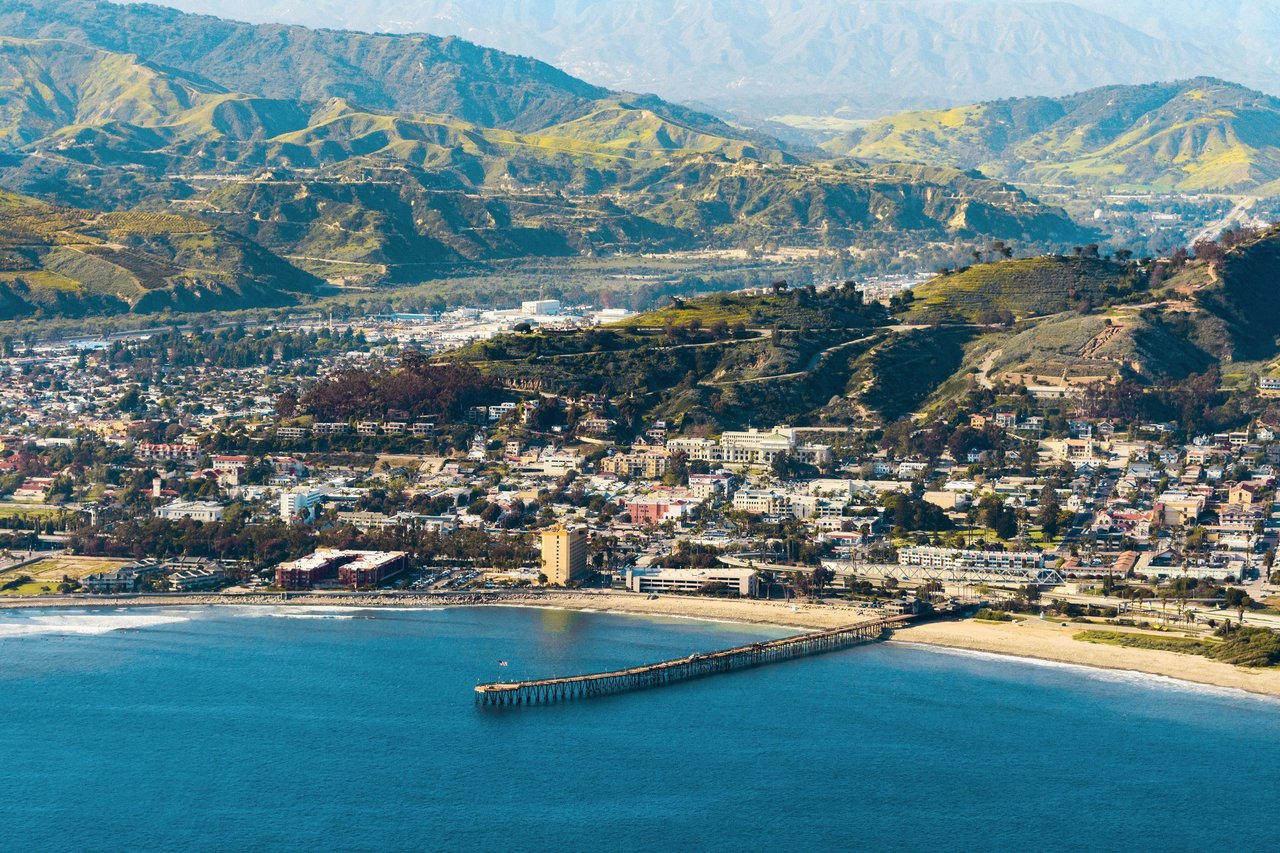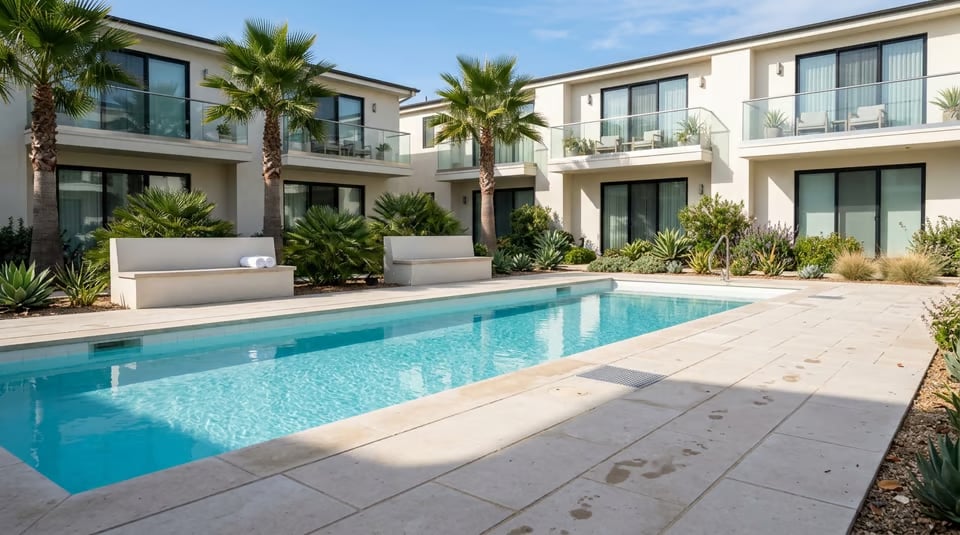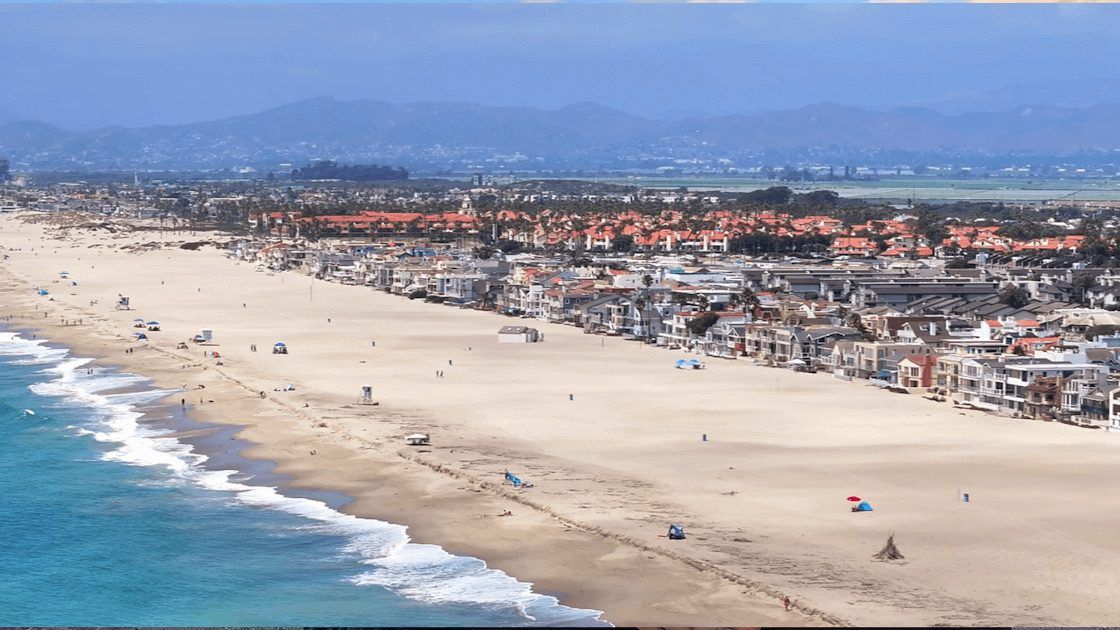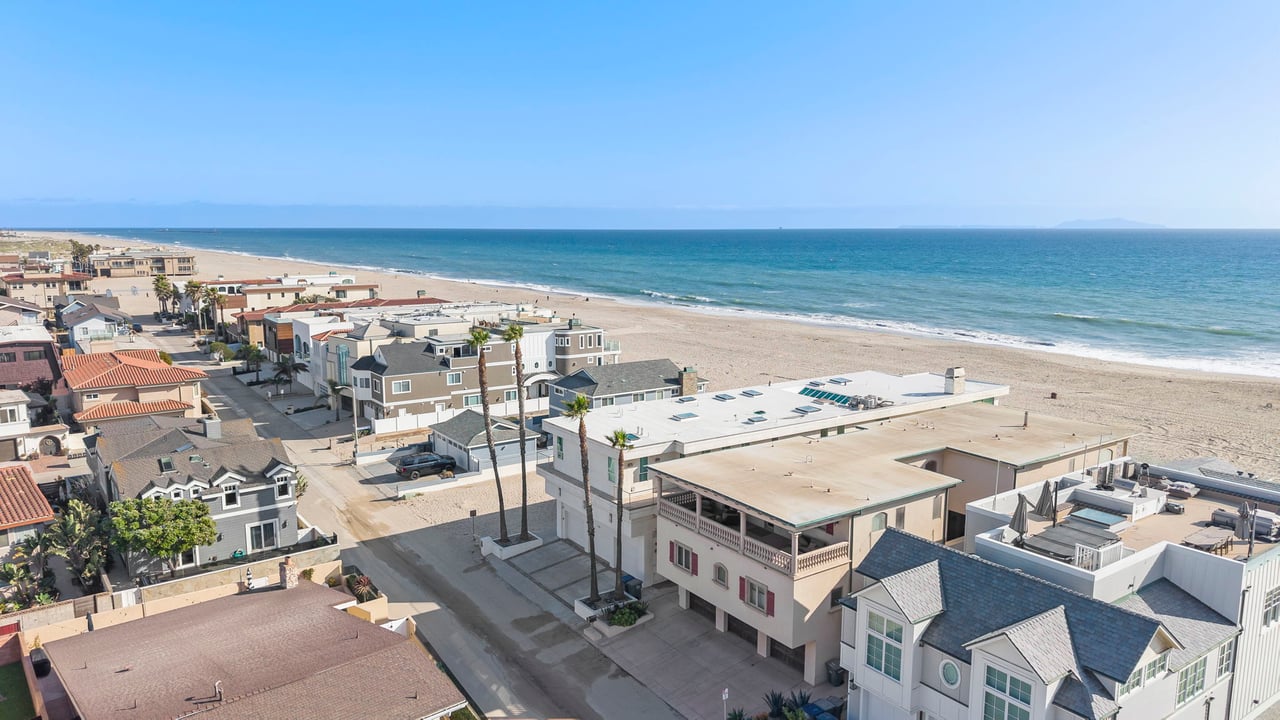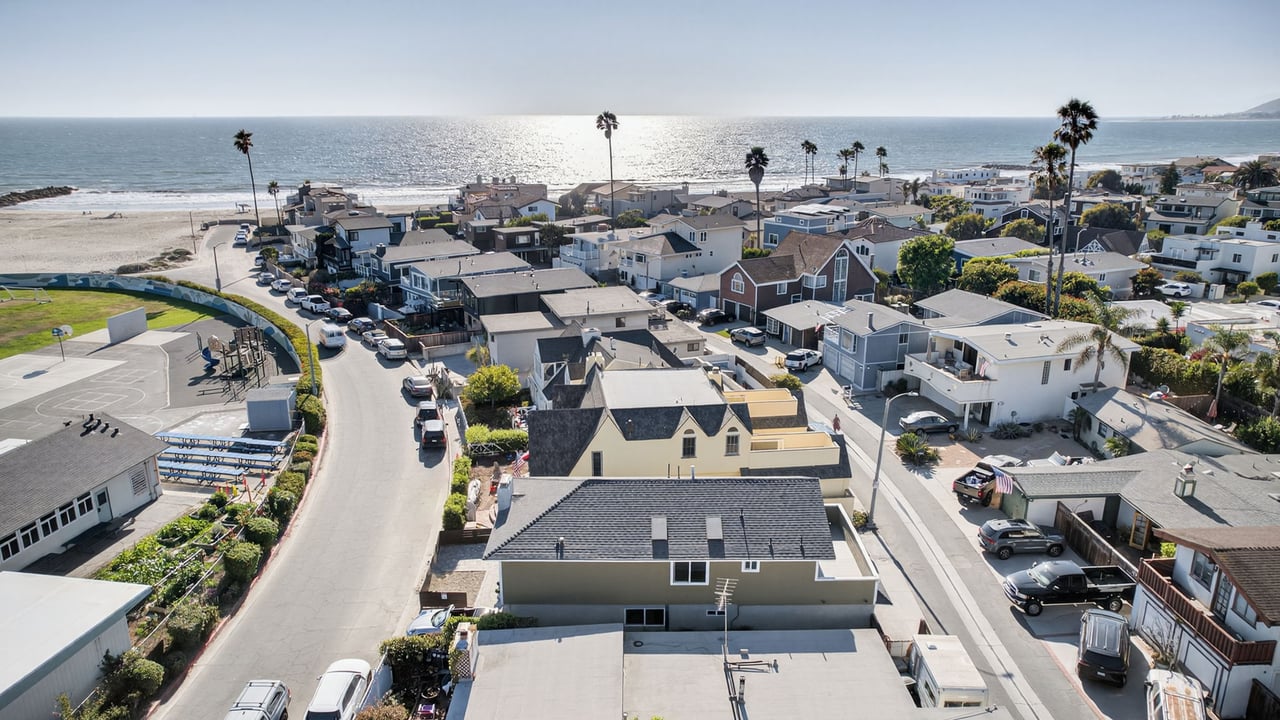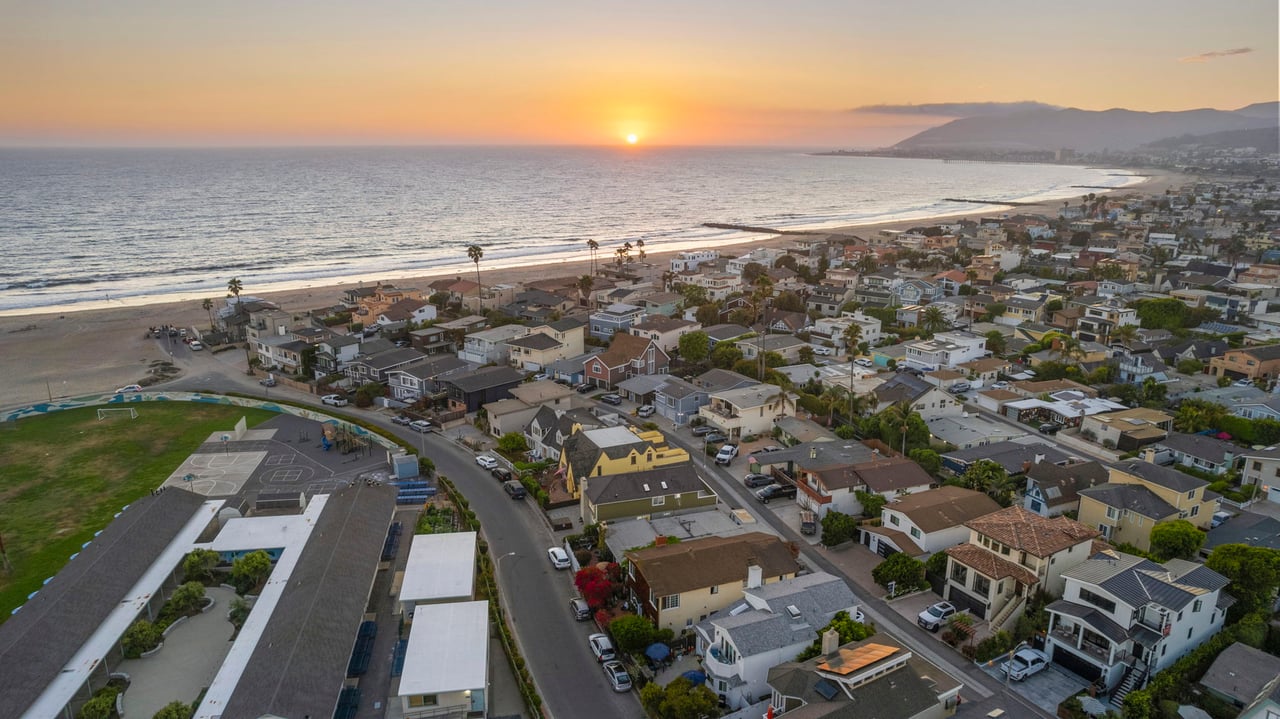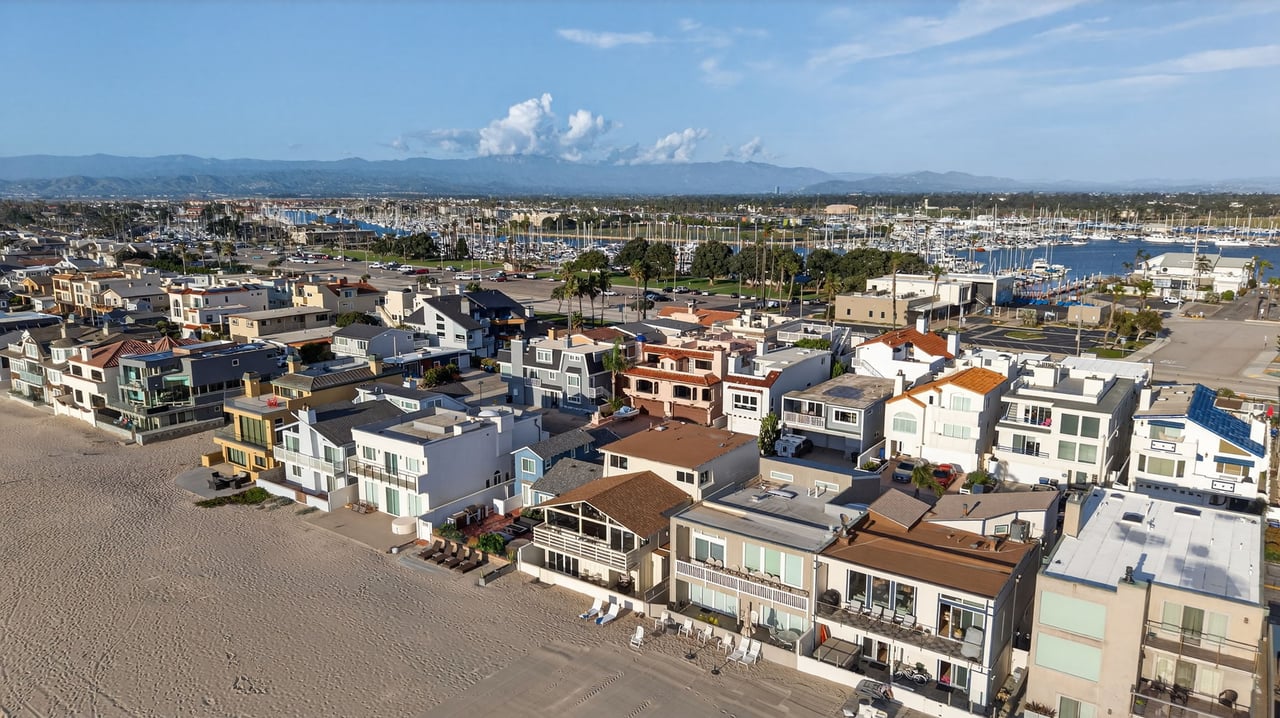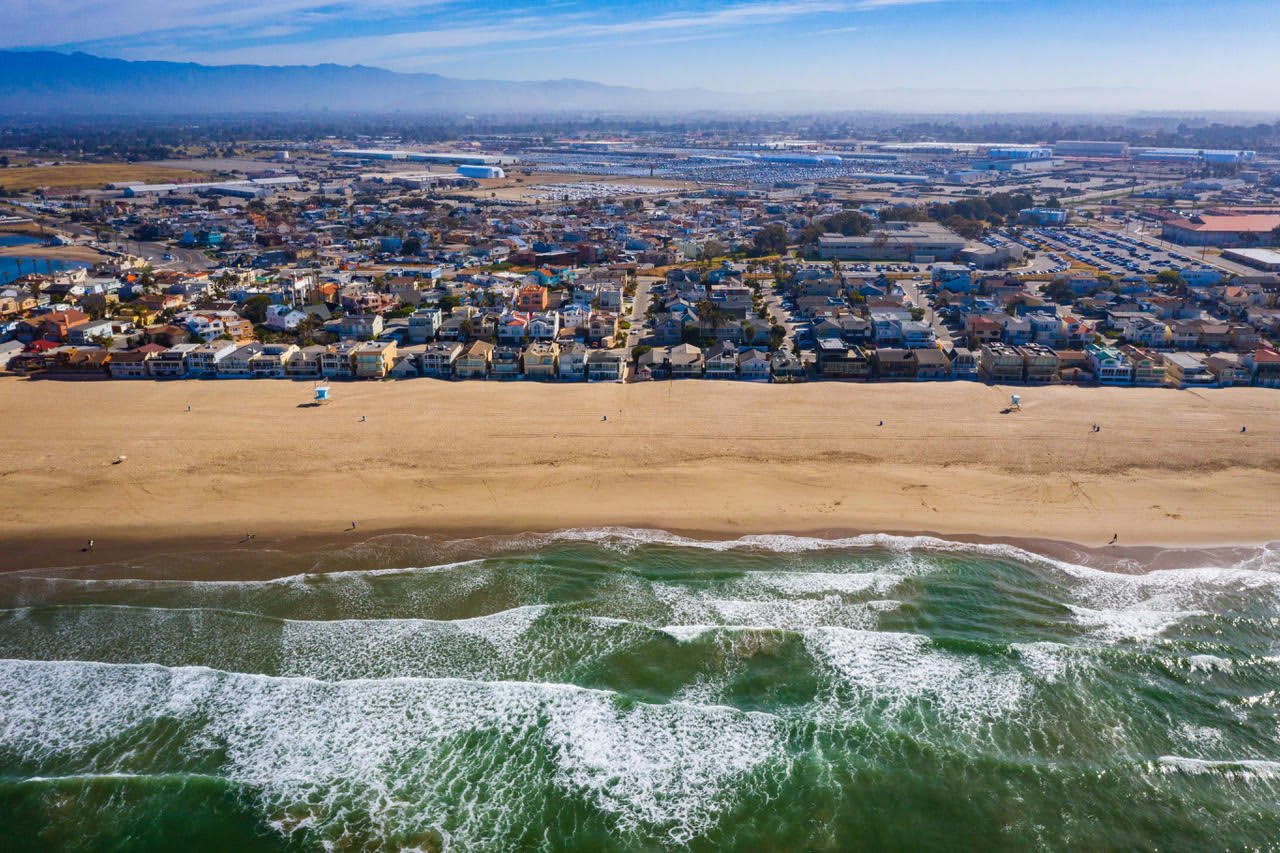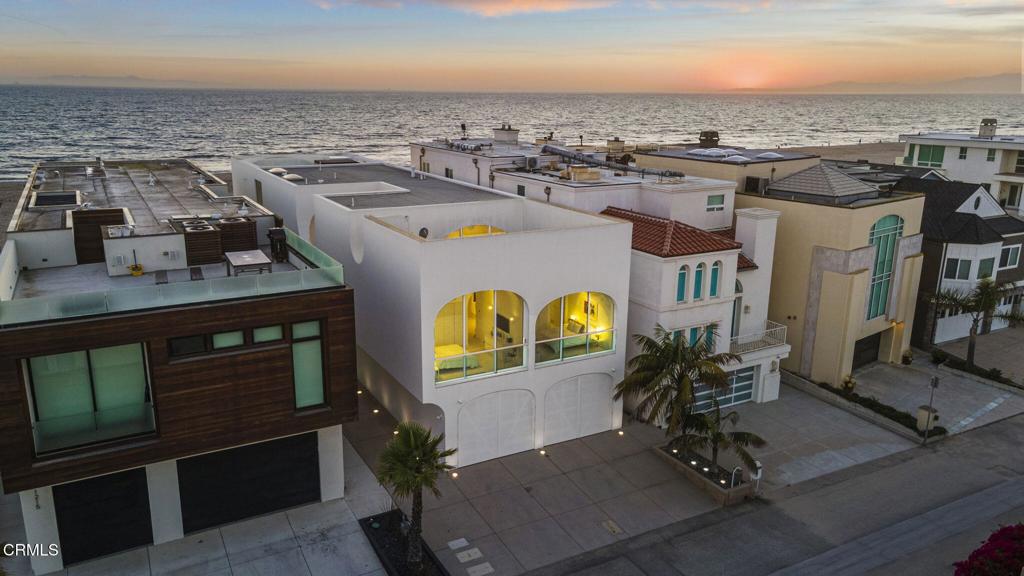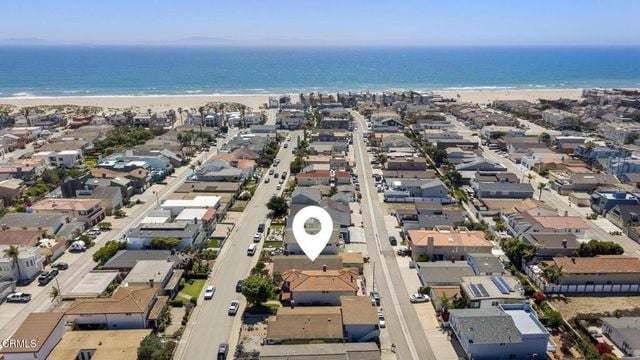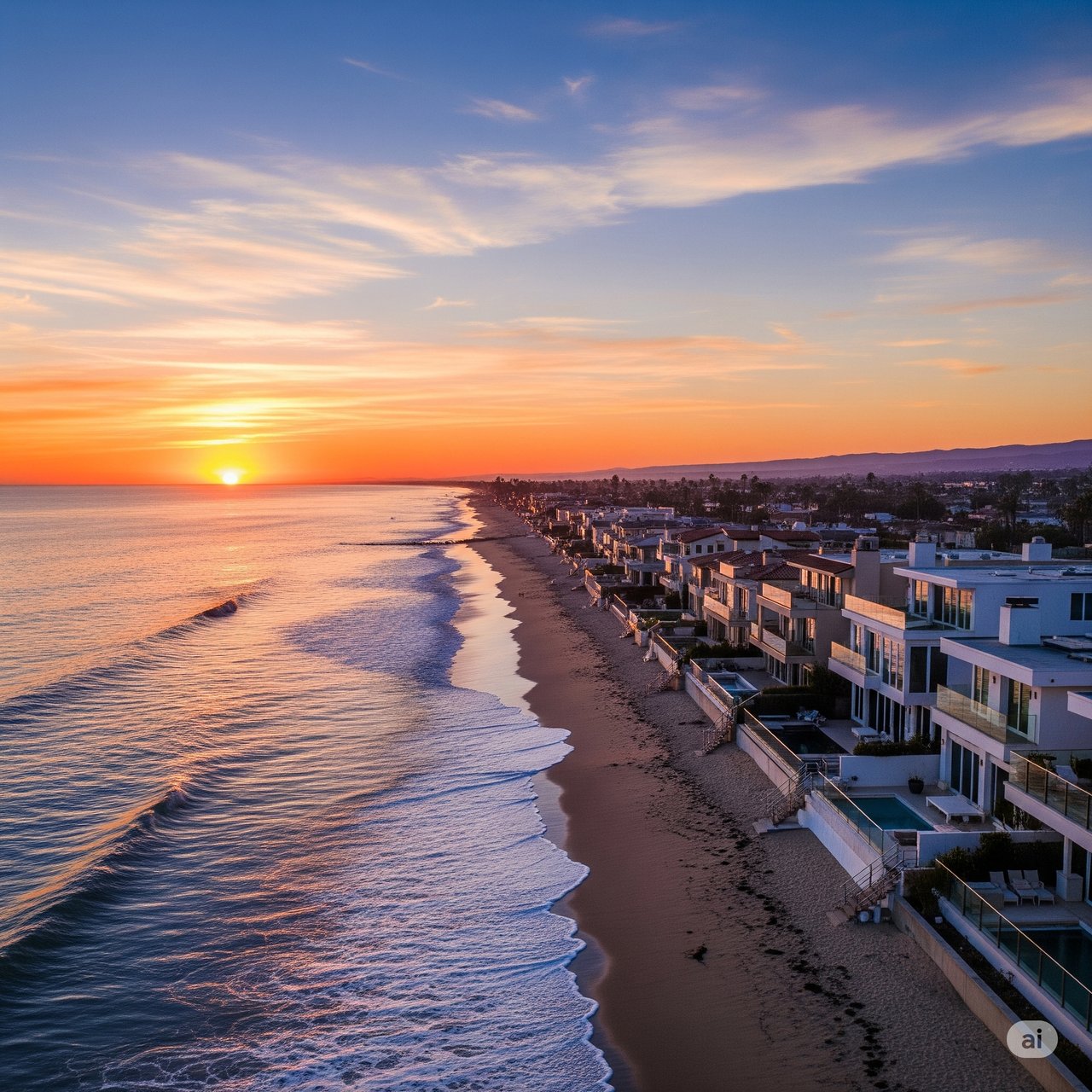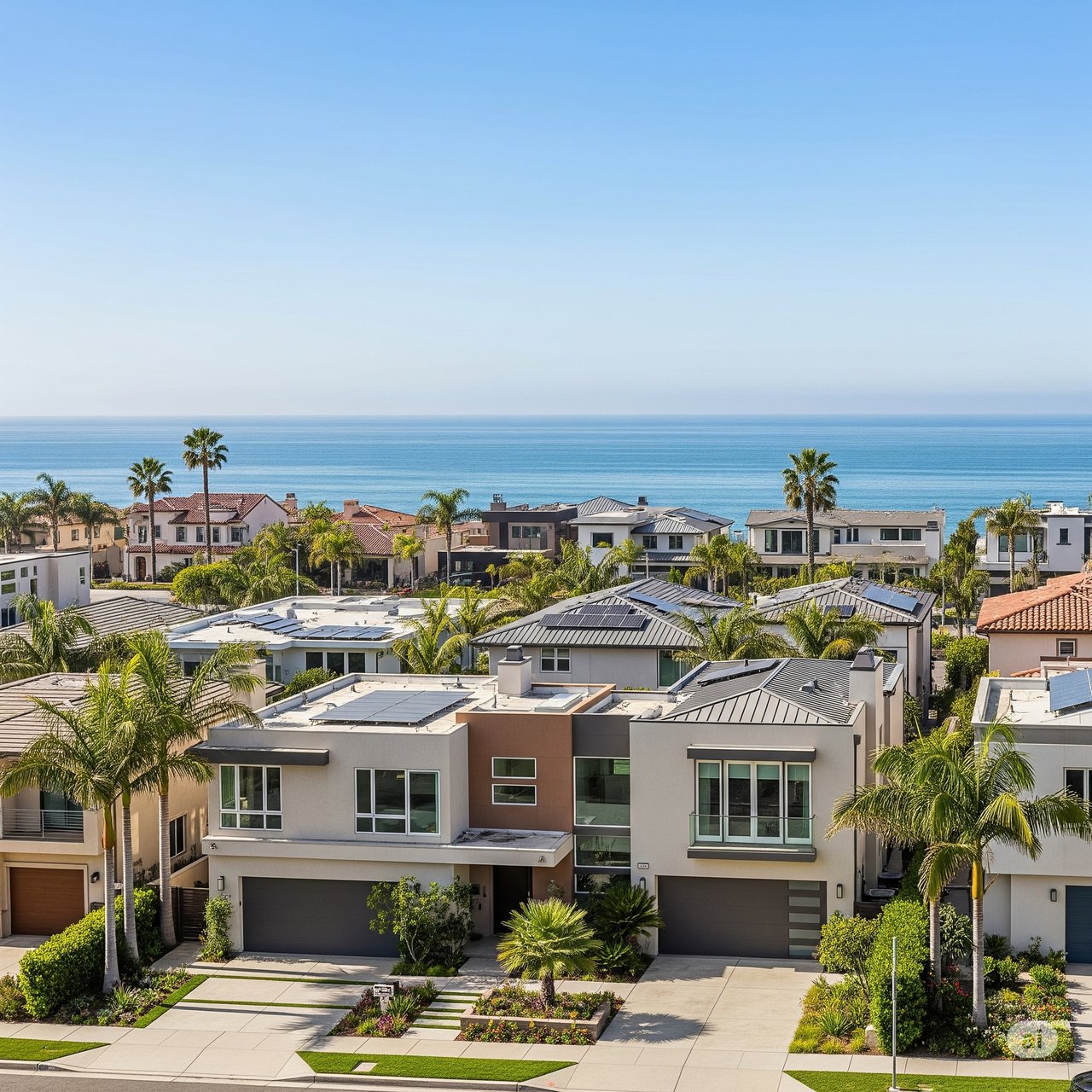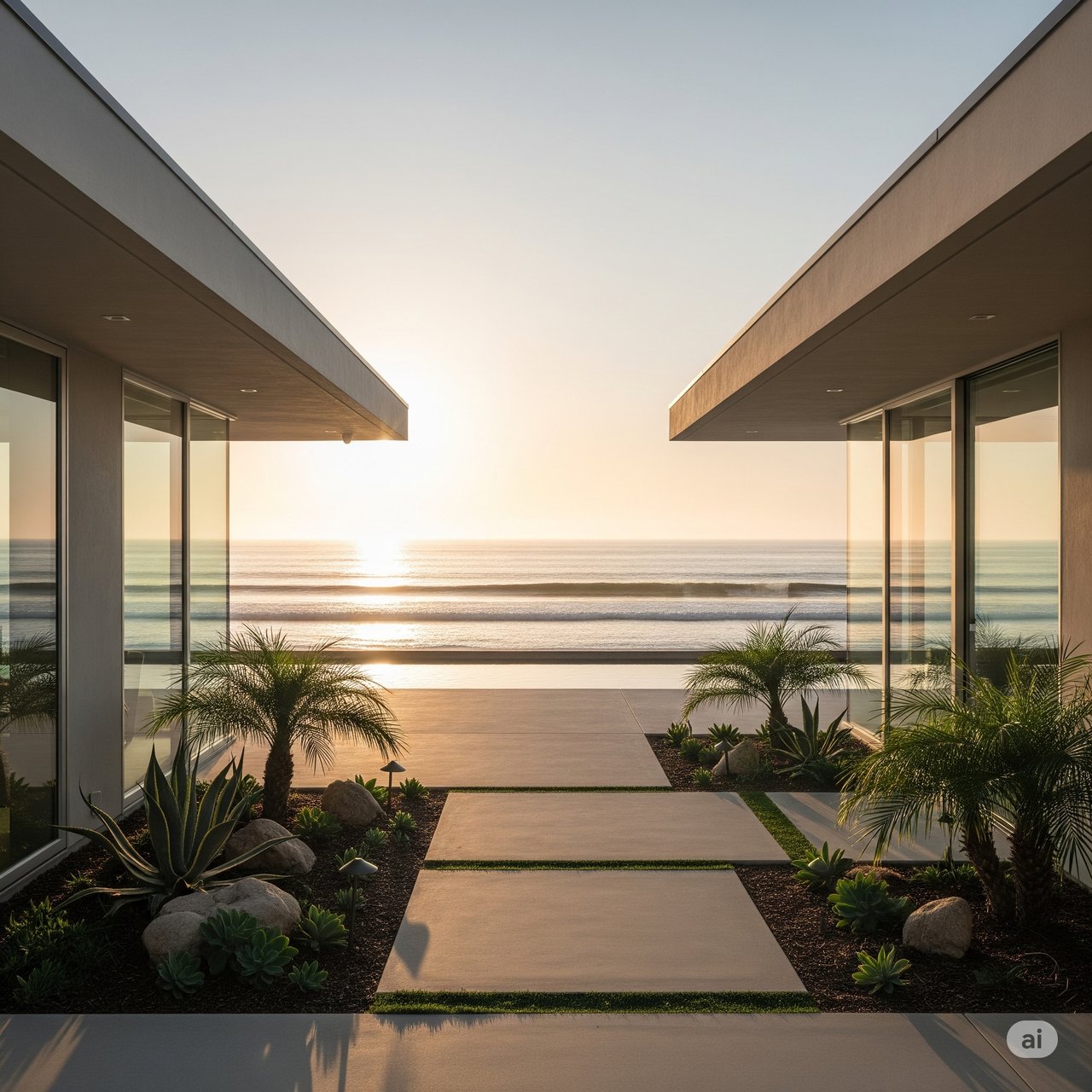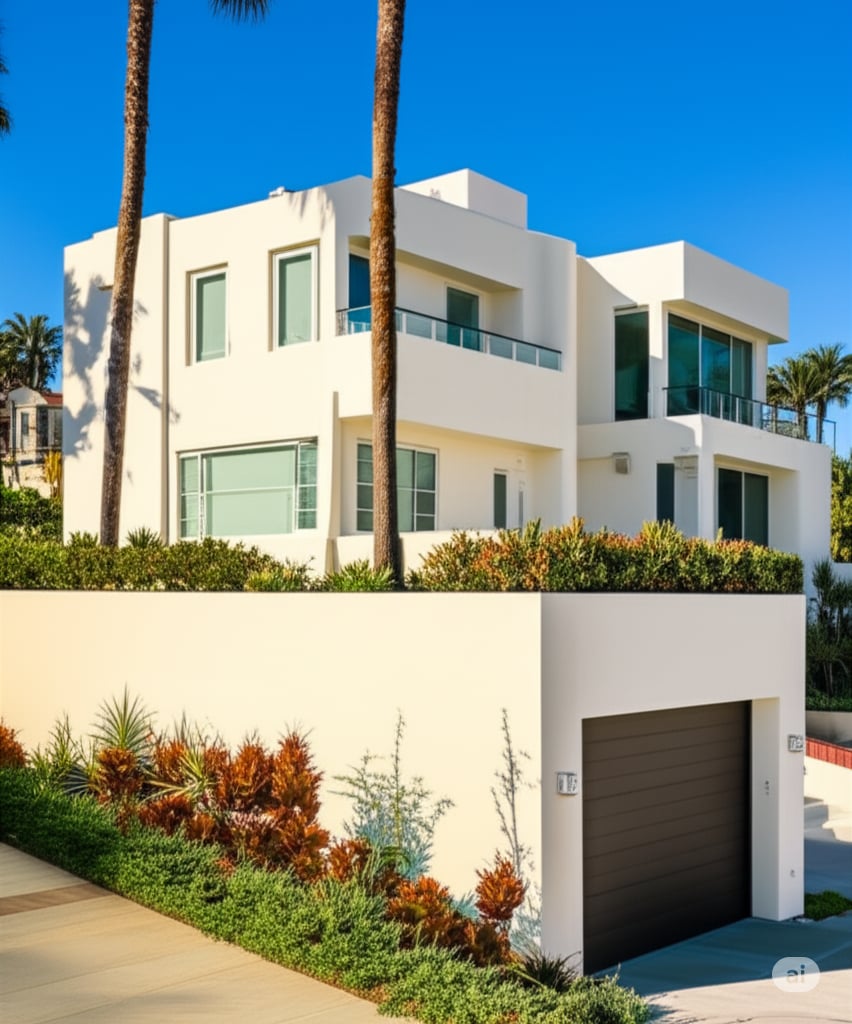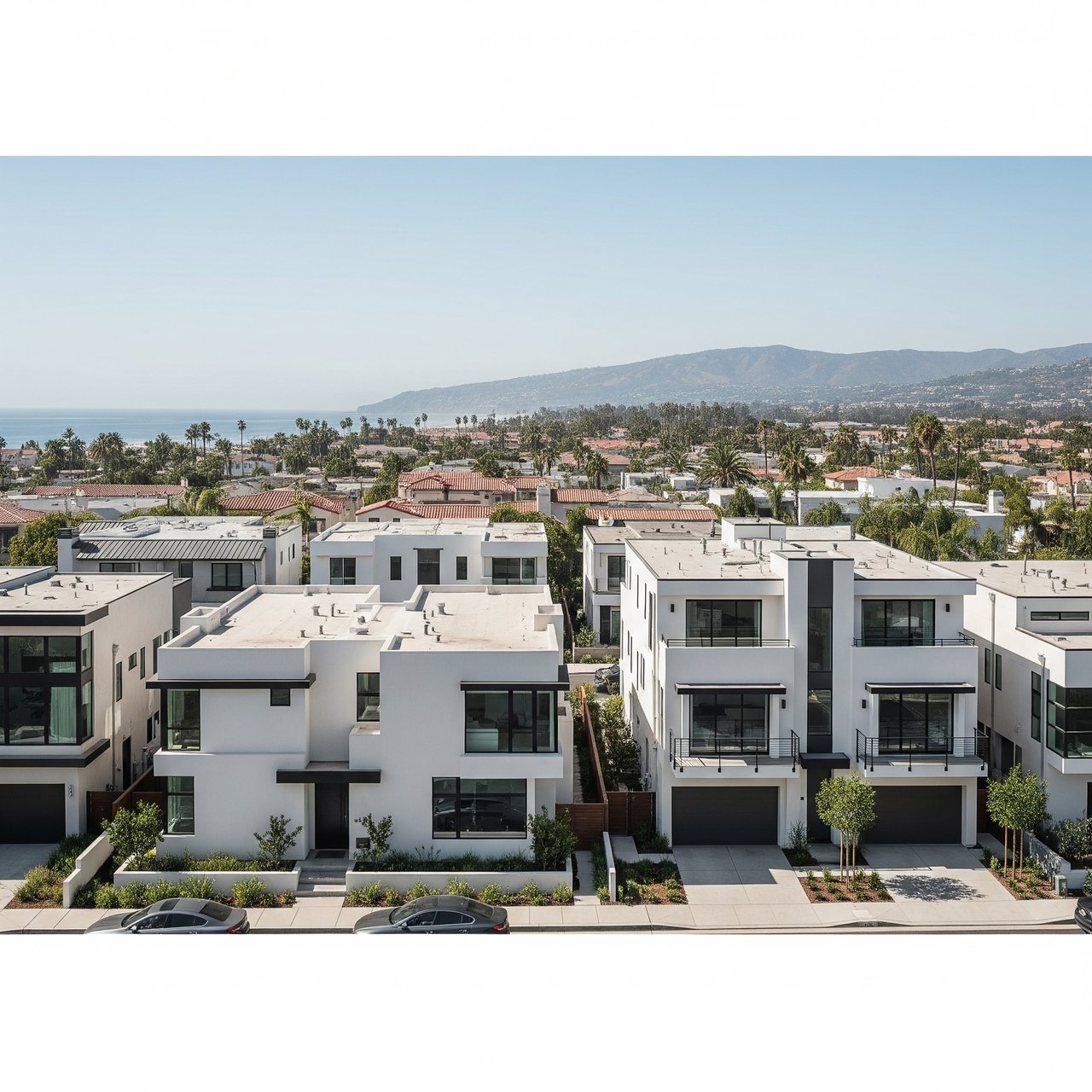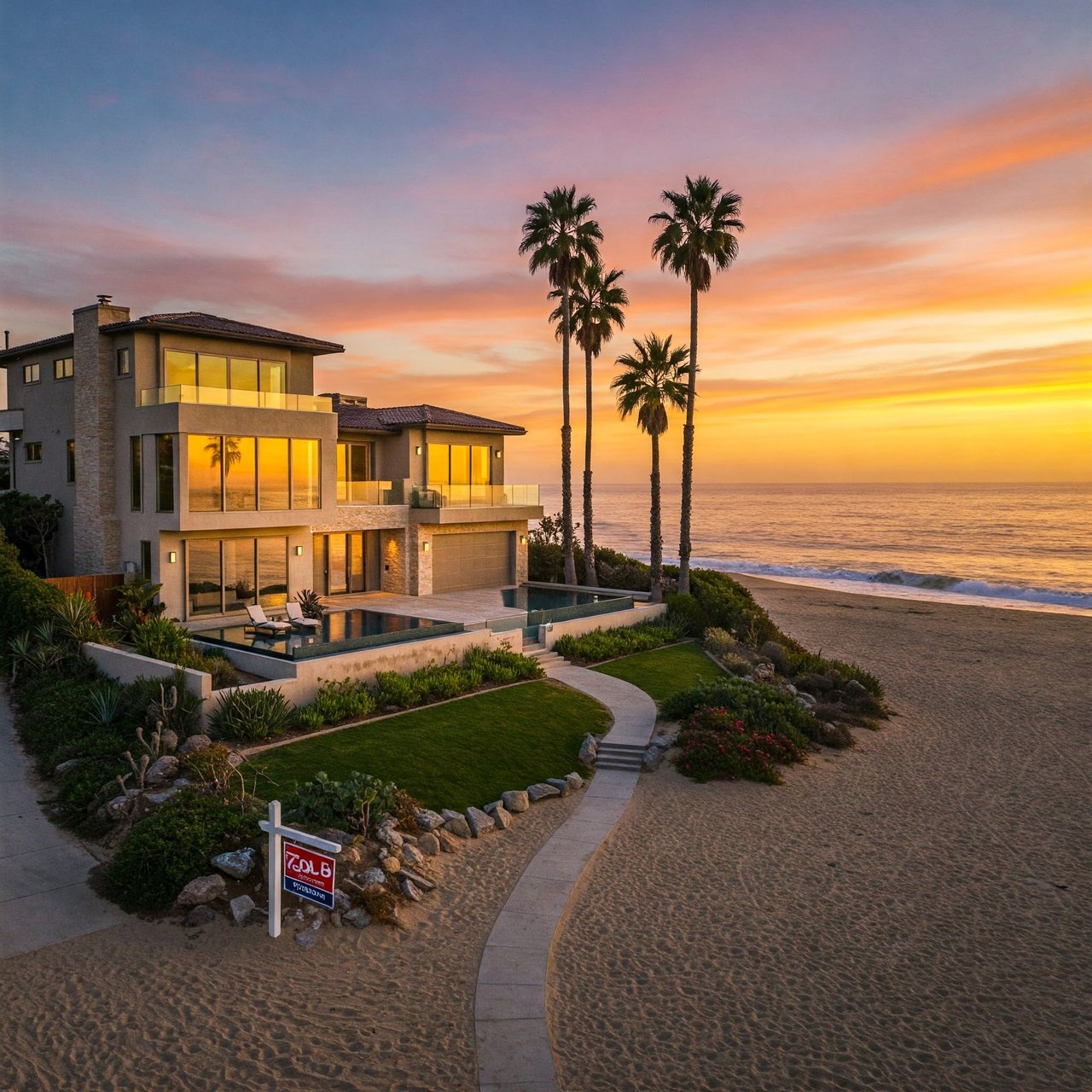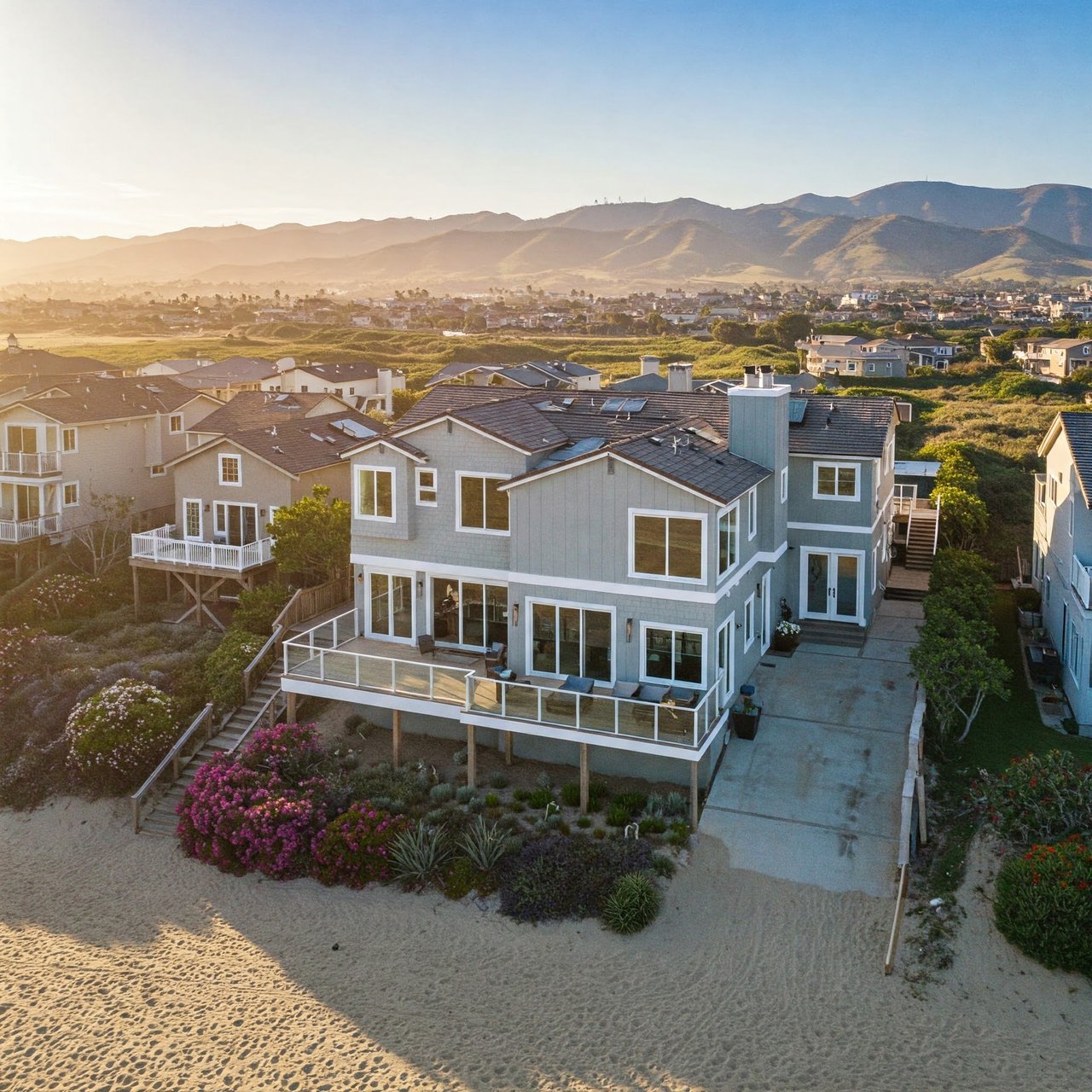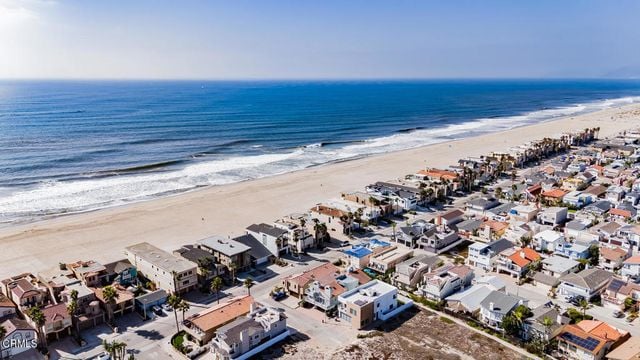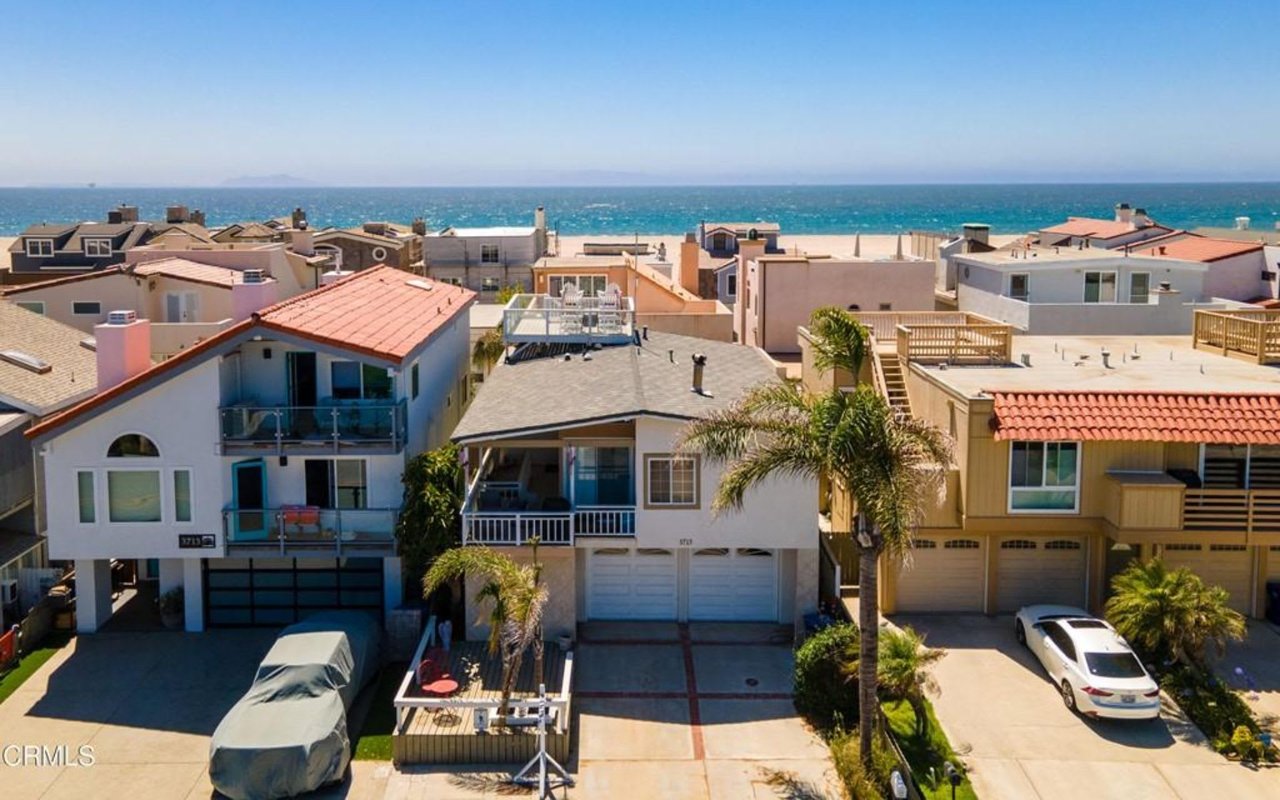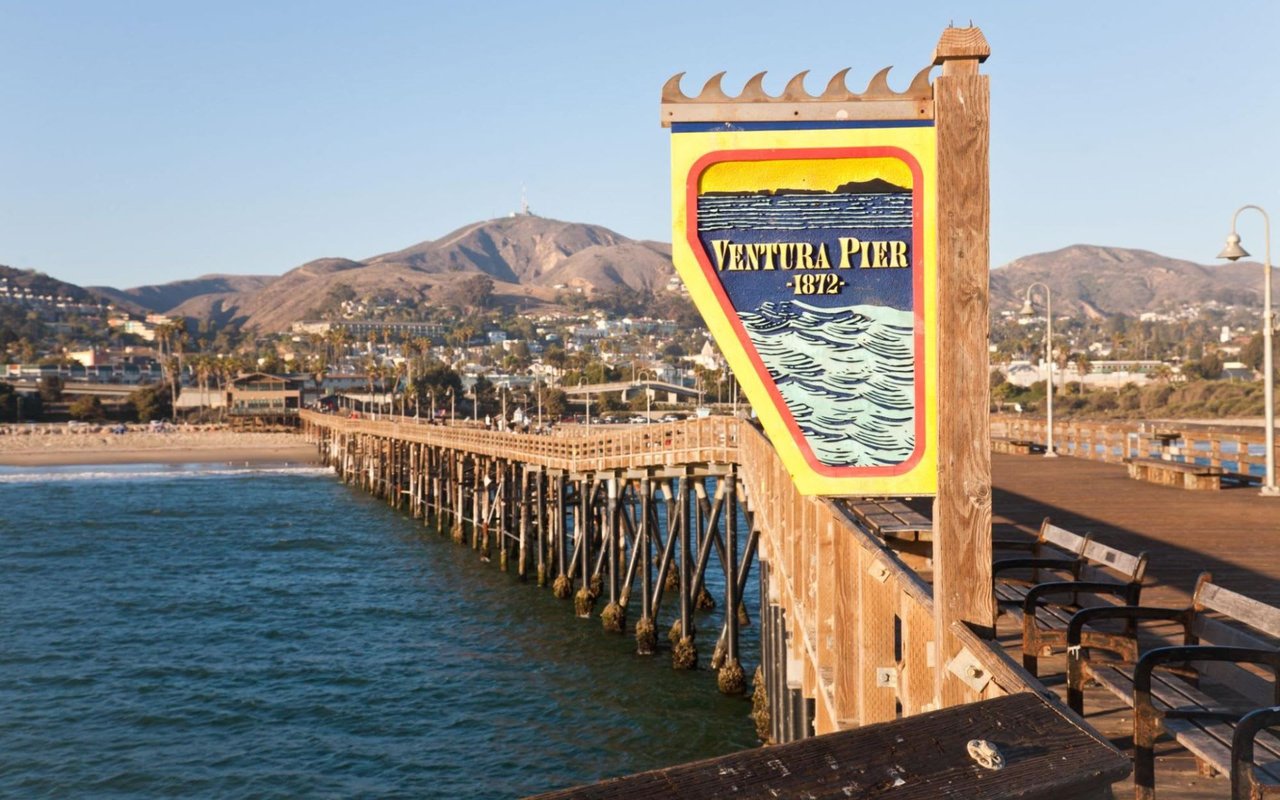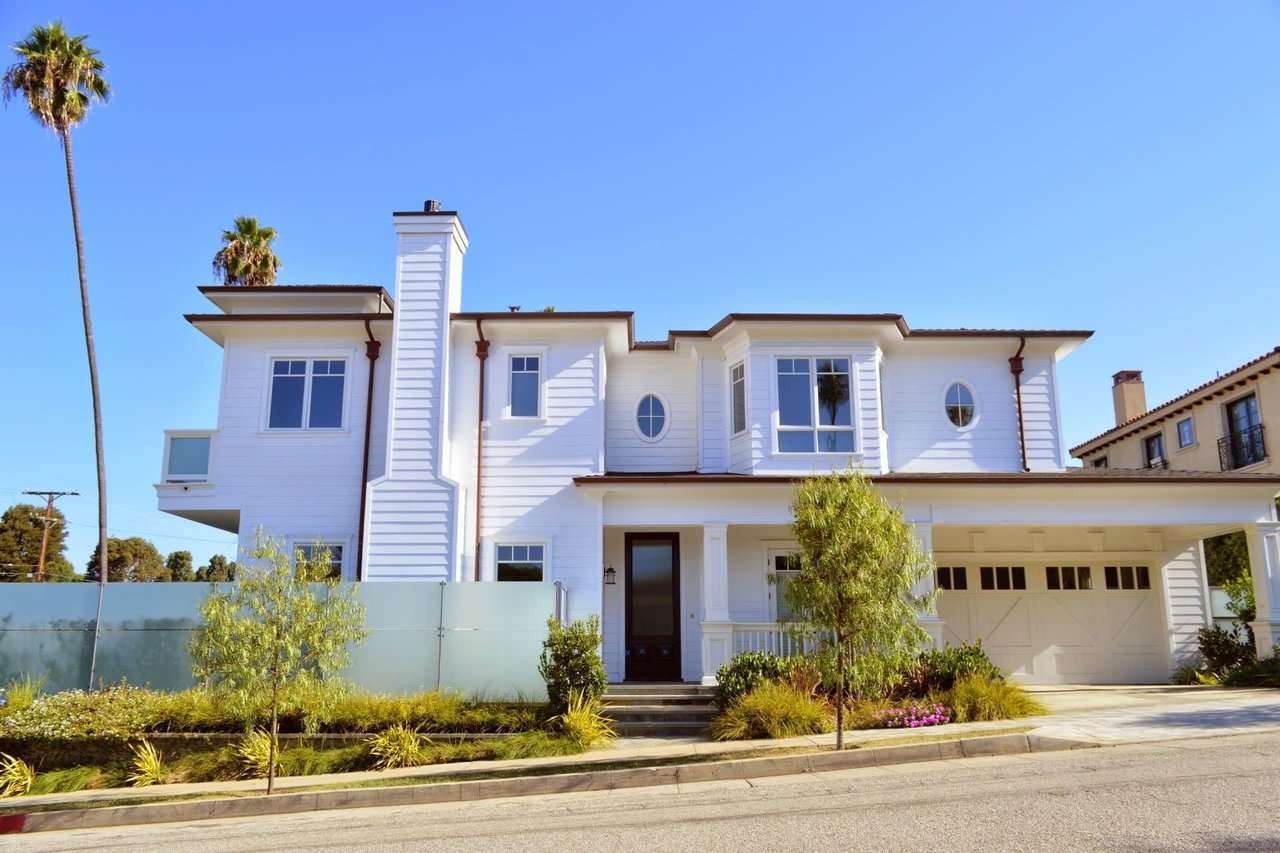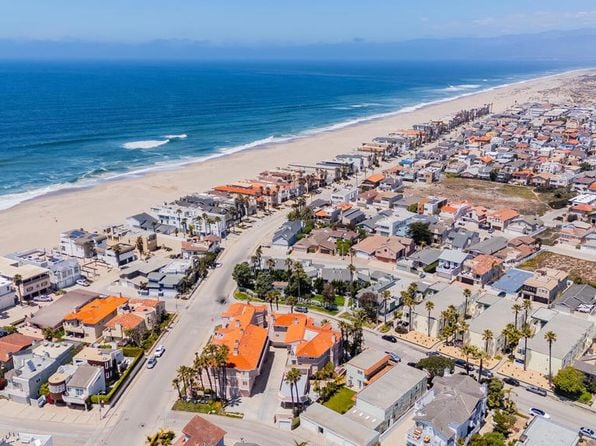
For homeowners and buyers in Mandalay Shores (also known as Oxnard Shores), living right where private architecture meets wide coastal sand dunes is the ultimate beachfront dream. Known for its expansive, uninterrupted coastline and panoramic Pacific views, Mandalay Shores offers a tranquil beach environment without the commercial bustle seen in larger coastal hubs.
However, owning property adjacent to active coastal sand dunes requires a clear understanding of environmental protections, setback requirements, and structural maintenance guidelines. Managed under the joint oversight of the City of Oxnard, the California Coastal Commission, and local beach preservation frameworks, navigating these coastal rules ensures your home remains safe, compliant, and structurally sound. Here is everything Mandalay Shores homeowners and buyers need to know.
Understanding Coastal Dune Protections and Environmentally Sensitive Habitat (ESHA)
The role of Mandalay Shores sand dunes
The dune system along Mandalay Shores acts as a natural barrier against storm surges, high tides, and coastal erosion. In addition to protecting inland structures, these dunes serve as critical ecological habitats for native coastal flora and sensitive wildlife, including the western snowy plover and California least tern.
Because the dunes are designated as Environmentally Sensitive Habitat Areas (ESHA) under California’s Coastal Act, property owners cannot alter, grade, or remove sand dune vegetation without specialized environmental permits.
Private property boundaries vs. public beach easements
Navigating property lines along oceanfront Mandalay Shores lots requires verifying where private parcel boundaries end and public coastal access begins.
While beachfront parcels extend toward the sand, the mean high tide line and established public beach access corridors remain open to the public. Homeowners are responsible for ensuring that private amenities—such as patio extensions, glass windbreaks, or garden walls—do not encroach onto public beach easements or protected dune vegetation.
Structural Guardrails: Setbacks, Sea Walls, and Wind Protection
Oceanfront building setbacks
To safeguard residences against long-term sea level rise and severe wave action, the City of Oxnard enforces strict oceanfront setback rules. When planning a new build or expanding an existing oceanfront home, the structure must be set back a minimum distance from the seaward property line or erosion hazard line.
These setback buffers prevent structural damage during winter king tides and ensure that new construction does not disrupt natural dune movement or block public sightlines along the beach.
Sea wall policies and bluff protection standards
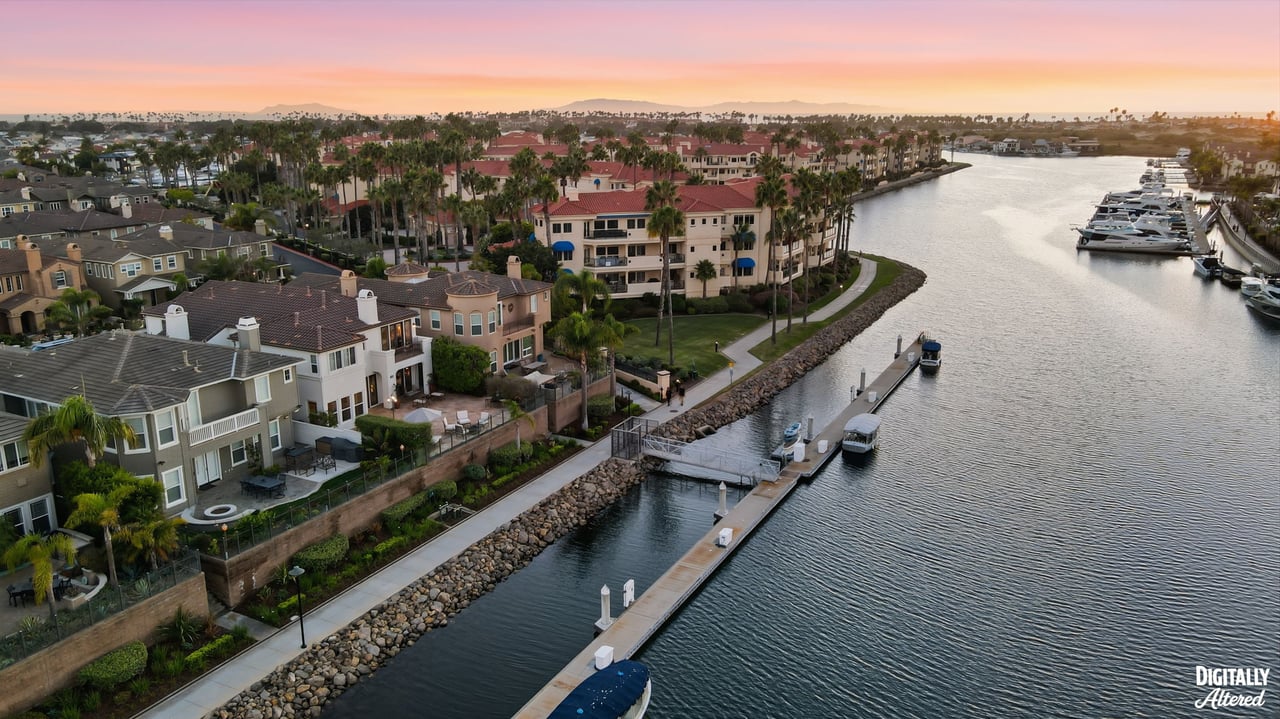
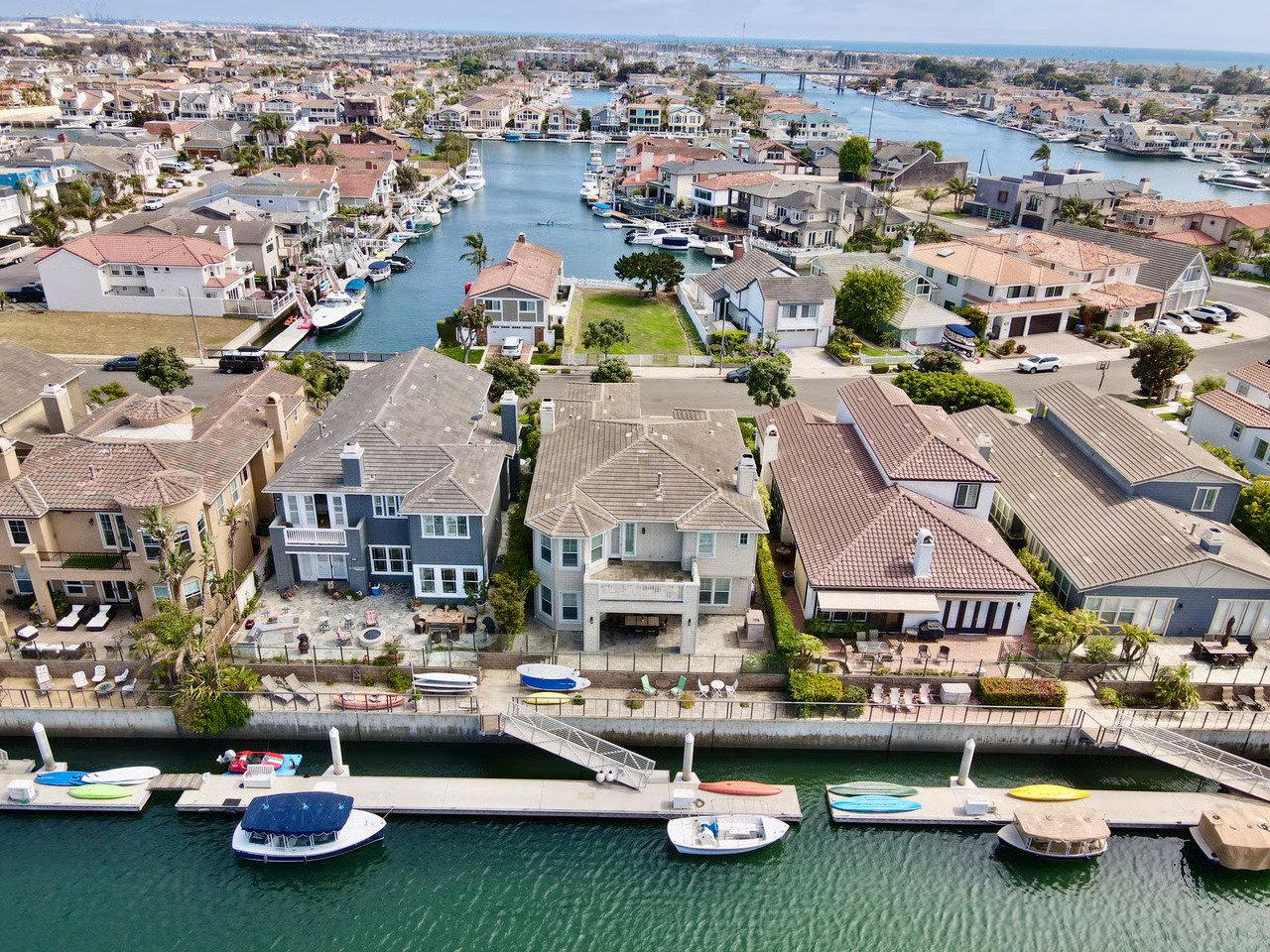
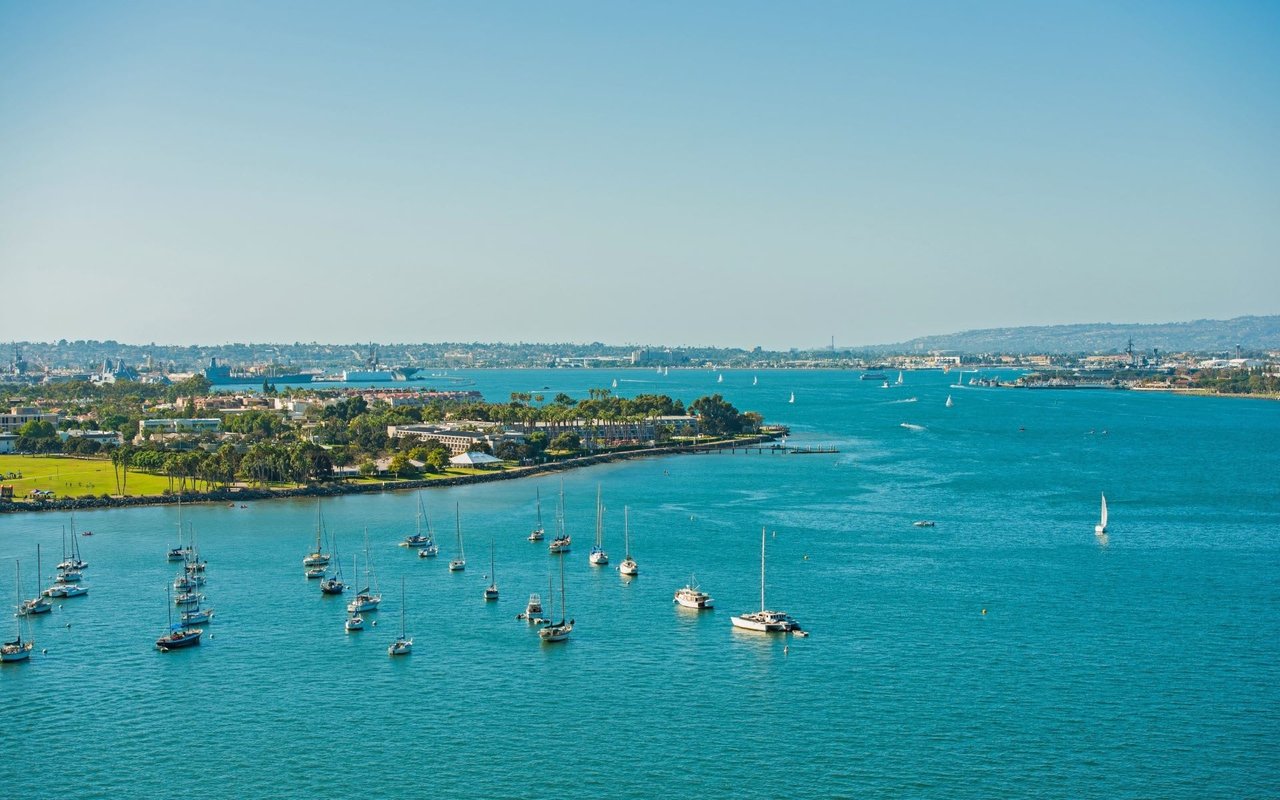
Unlike harbor communities built around concrete seawall bulkheads, Mandalay Shores relies heavily on natural sand dune buffers and deep-piling foundation engineering.
Under current California Coastal Commission policies, constructing hard shoreline protection structures (like rock revetments or concrete seawalls) for new residential builds is highly restricted. Instead, modern oceanfront home construction in Mandalay Shores utilizes deep caisson and friction-piling foundations that anchor homes into stable bedrock beneath the sand.
Managing sand drift and windbreak design
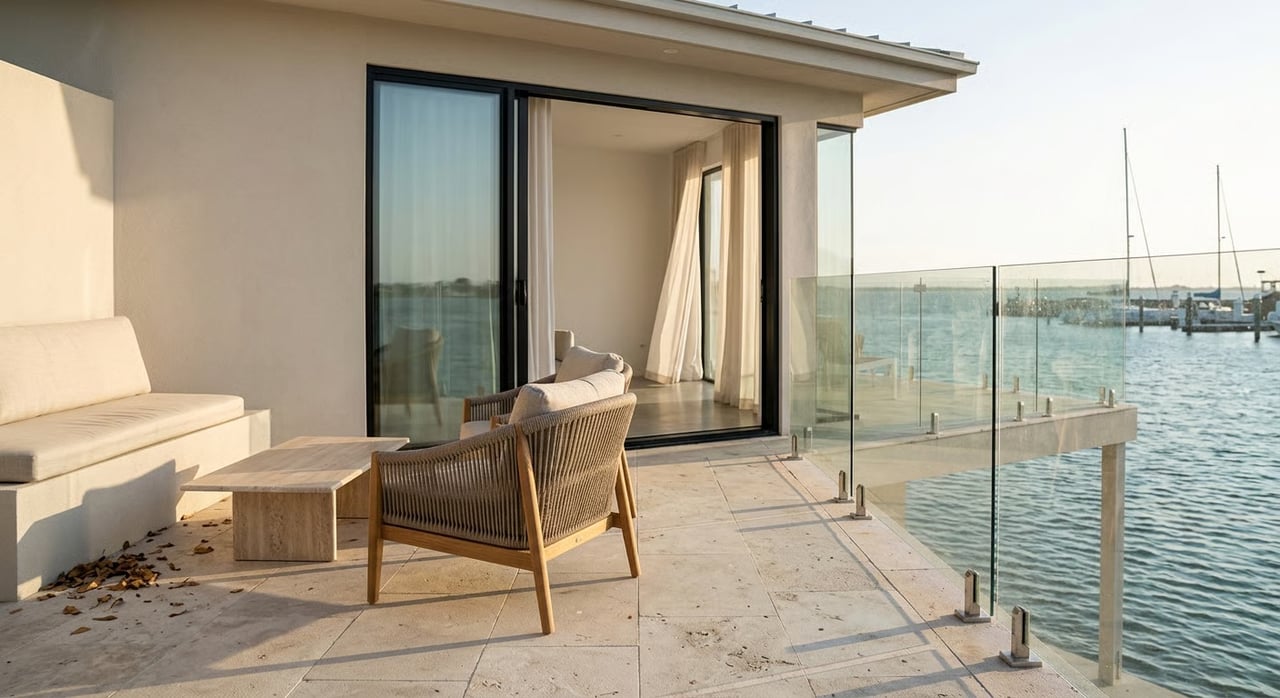
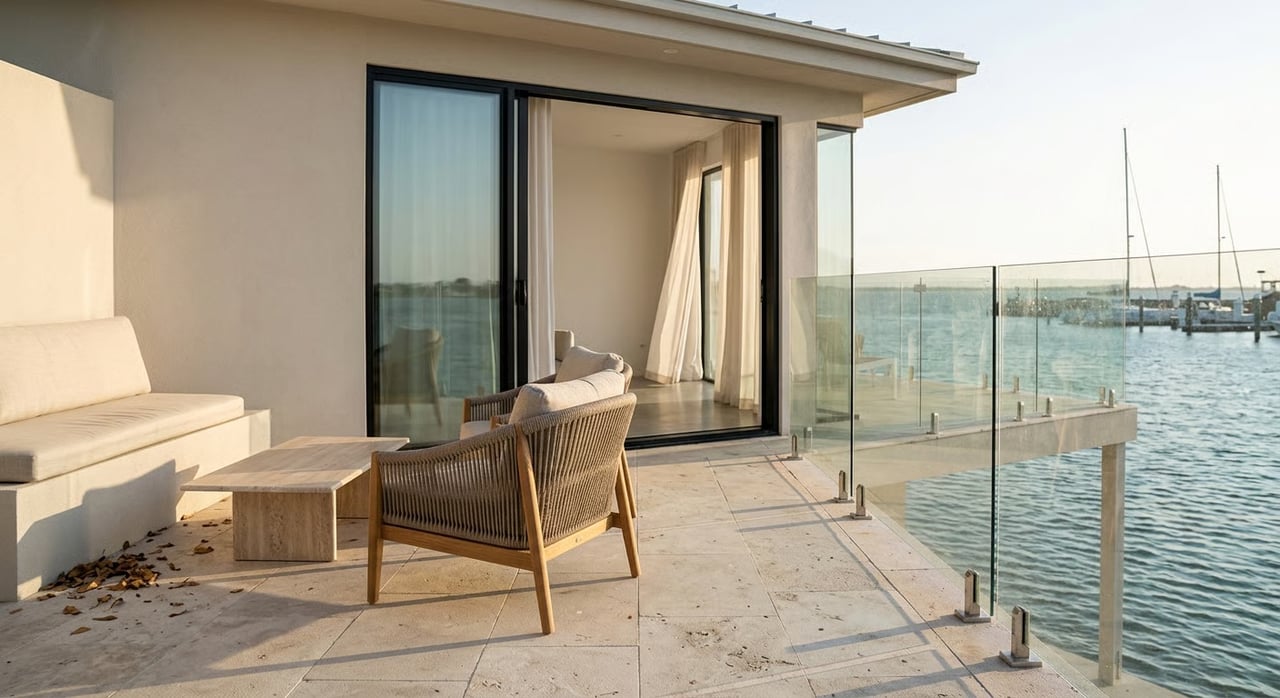
Living directly on the beach means managing relentless ocean winds and blowing sand. While grading sand dunes is restricted, property owners are allowed to install approved, non-permanent sand fencing or custom glass windbreaks within their private property footprint.
Windbreaks must satisfy city height limits (typically 6 feet for patio enclosures) and utilize tempered safety glass engineered to withstand salt-spray corrosion and high wind loads.
Permitting Steps for Oceanfront Maintenance and Renovations
Step 1: Preliminary environmental and site survey
Before planning exterior renovations, hire a licensed coastal surveyor to map property boundaries, existing dune vegetation limits, and base flood elevations (BFE).
Step 2: Coastal Development Permit (CDP) determination
Major exterior structural work—such as deck rebuilds, foundation repairs, or upper-level additions—triggers the need for a Coastal Development Permit through the City of Oxnard Planning Division. Minor cosmetic upkeep, like window replacements or interior remodels, can proceed through standard municipal building review.
Step 3: Salt-air material selection
Building along Mandalay Shores demands heavy-duty, marine-grade materials. Utilizing stainless steel (316 grade), anodized aluminum, composite decking, and corrosion-resistant fasteners ensures your home withstands the harsh coastal environment without continuous structural repairs.
A Smart Checklist for Mandalay Shores Oceanfront Buyers
If you are considering buying an oceanfront or dune-adjacent home in Mandalay Shores, use this practical checklist during your due diligence window:
Review Foundation Engineering Reports: Confirm whether the home is built on raised pile foundations or traditional slab, and inspect foundation piers for salt-water erosion or settling.
Verify Parcel Setbacks and Dune Encroachments: Ensure existing patios, decks, or low retaining walls sit entirely within private property lines and comply with local setback rules.
Check Flood Insurance Rate Maps (FIRM): Evaluate FEMA flood zone designations (such as Zone VE or Zone AE) to estimate annual flood insurance requirements for beachfront structures.
Inspect Exterior Building Envelopes: Examine stucco, flashings, window seals, and roof decks for salt-air degradation and wind-driven moisture penetration.
Partner with Coastal Specialists: Work with local real estate advisors and contractors experienced in navigating City of Oxnard coastal zoning and Coastal Commission guidelines.
Living in Mandalay Shores offers an incredible oceanfront lifestyle where wide sandy beaches and coastal sunsets serve as your backyard. By understanding coastal dune rules, foundation standards, and setback guidelines, you can protect your investment and build lasting equity. If you want expert guidance on buying or selling homes in Mandalay Shores, Ann Howarth is here to guide your path.
FAQs
Can I grade or remove sand dunes in front of my Mandalay Shores home?
No. Sand dunes in Mandalay Shores are protected coastal habitats (ESHA). Grading, leveling, or clearing native dune vegetation is prohibited without specialized environmental permits from the California Coastal Commission and the City of Oxnard.
Are seawalls allowed in Mandalay Shores?
Constructing new hard seawalls or rock revetments for new construction is strictly limited under current California Coastal Commission standards. Most modern oceanfront homes rely on deep pile foundation engineering rather than seawalls for structural stability.
How do oceanfront setbacks work in Mandalay Shores?
Oceanfront setbacks establish mandatory buffer distances between the building structure and the seaward property line or hazard boundary to protect properties from erosion and storm surges.
Do I need flood insurance for a beachfront home in Mandalay Shores?
Yes. Most beachfront homes in Mandalay Shores sit within designated FEMA flood zones, requiring flood insurance policies if you carry a traditional mortgage.
What materials hold up best for beachfront homes in Mandalay Shores?
Marine-grade 316 stainless steel, anodized aluminum frame windows, composite decking, and salt-resistant acrylic stucco finishes perform best against wind-driven sand and ocean air.