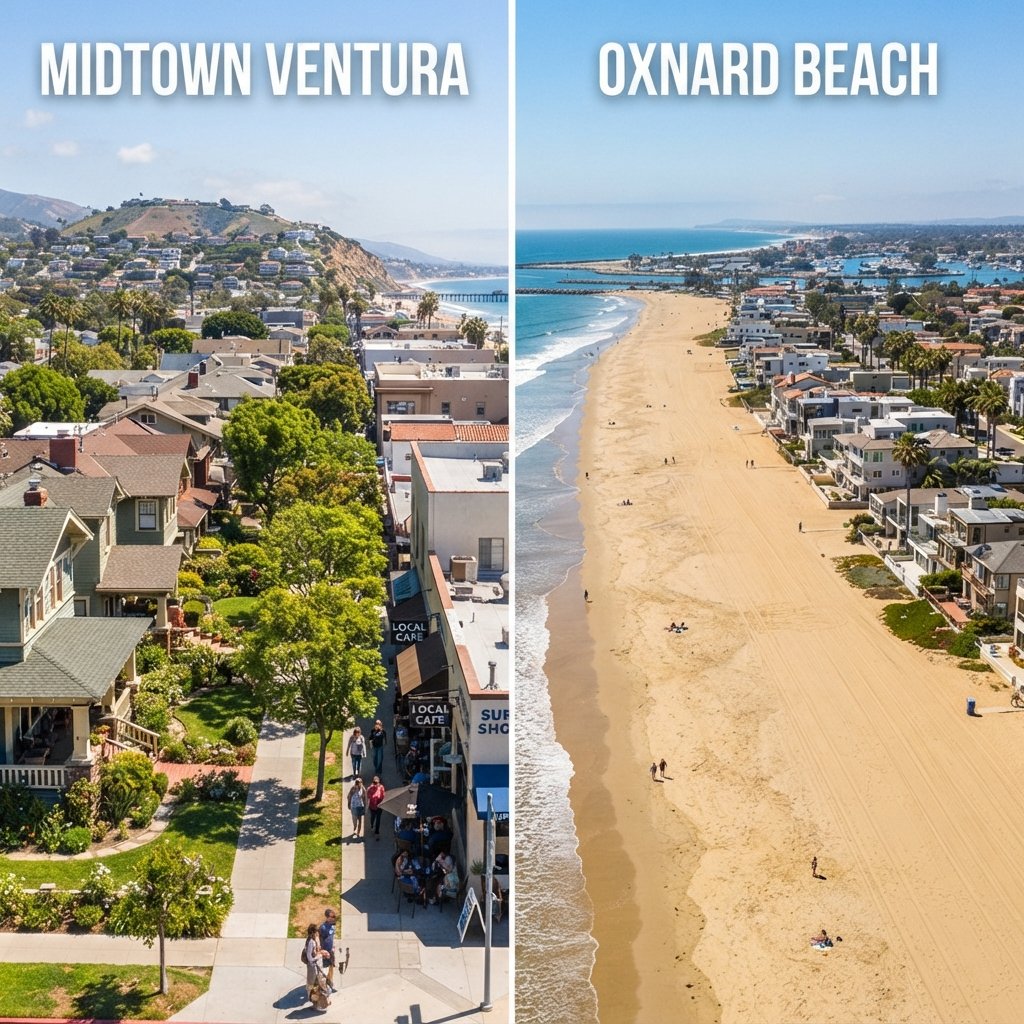
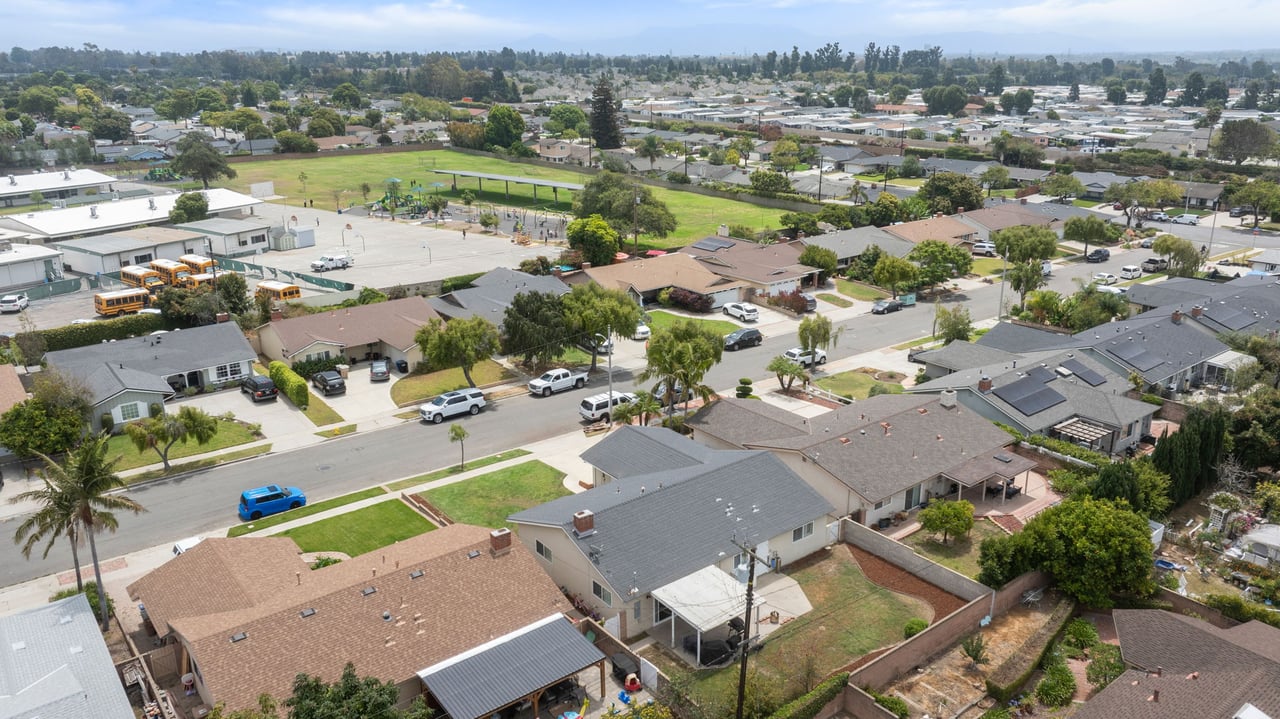
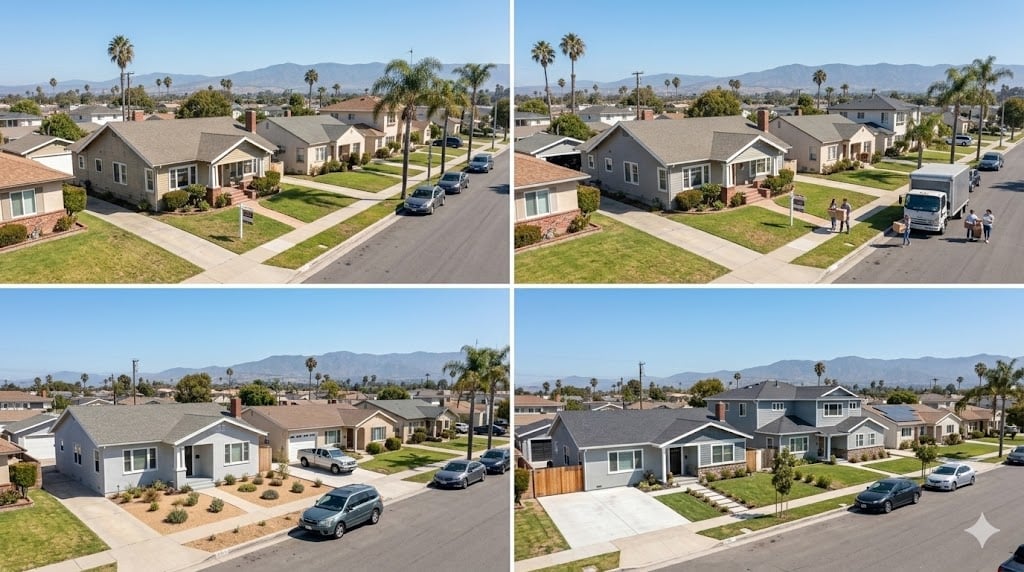
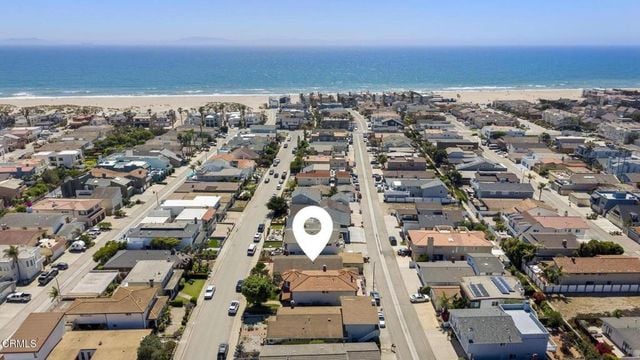
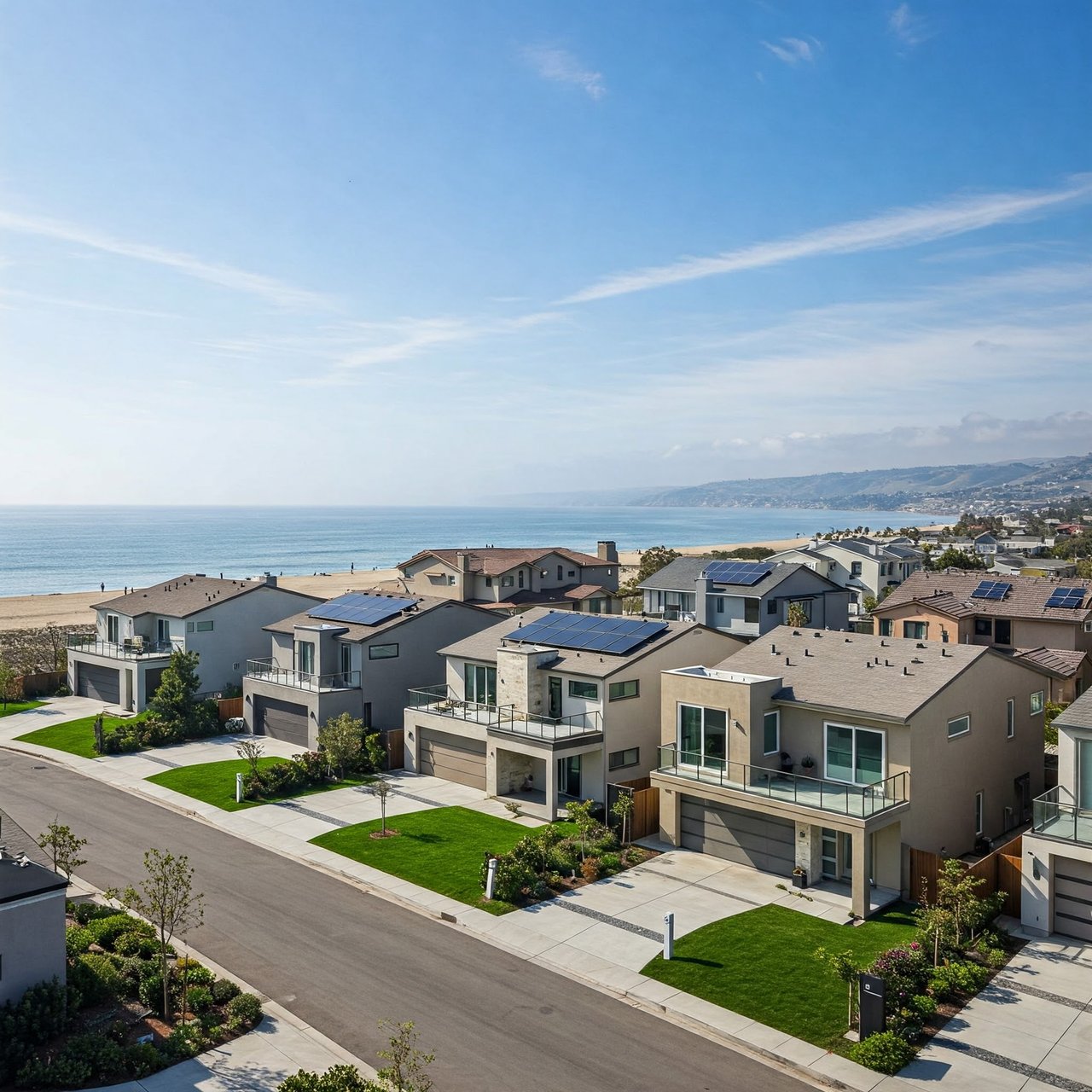
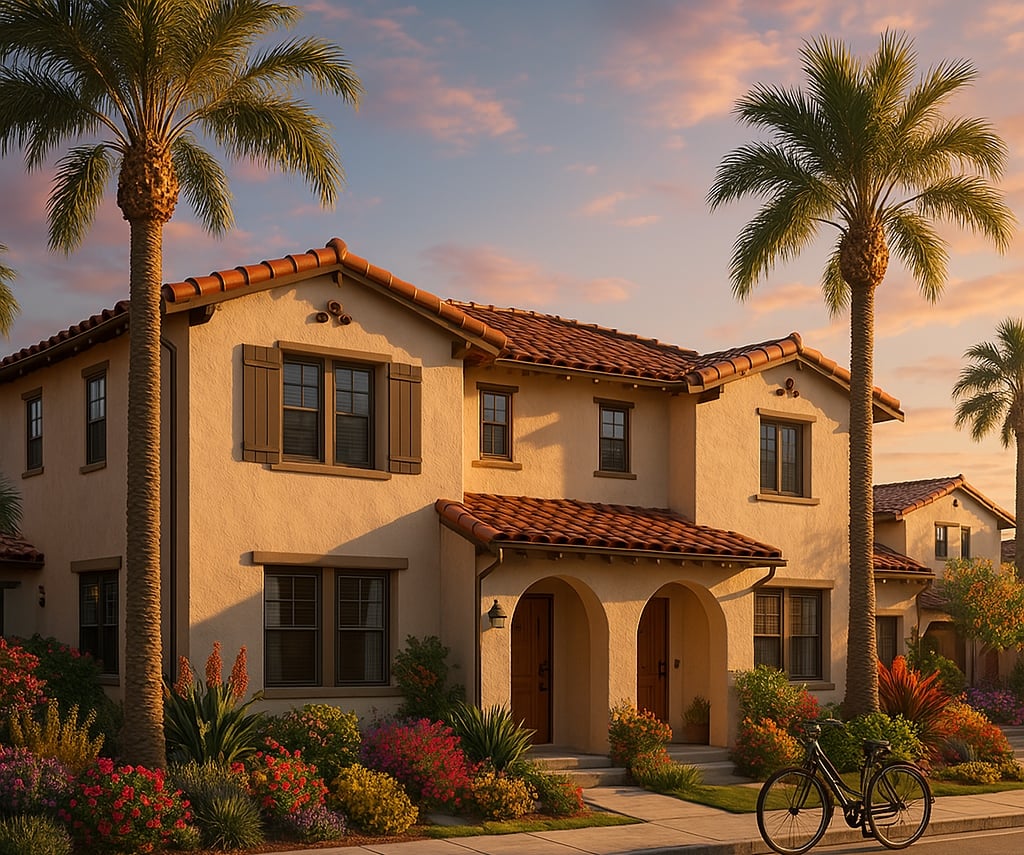
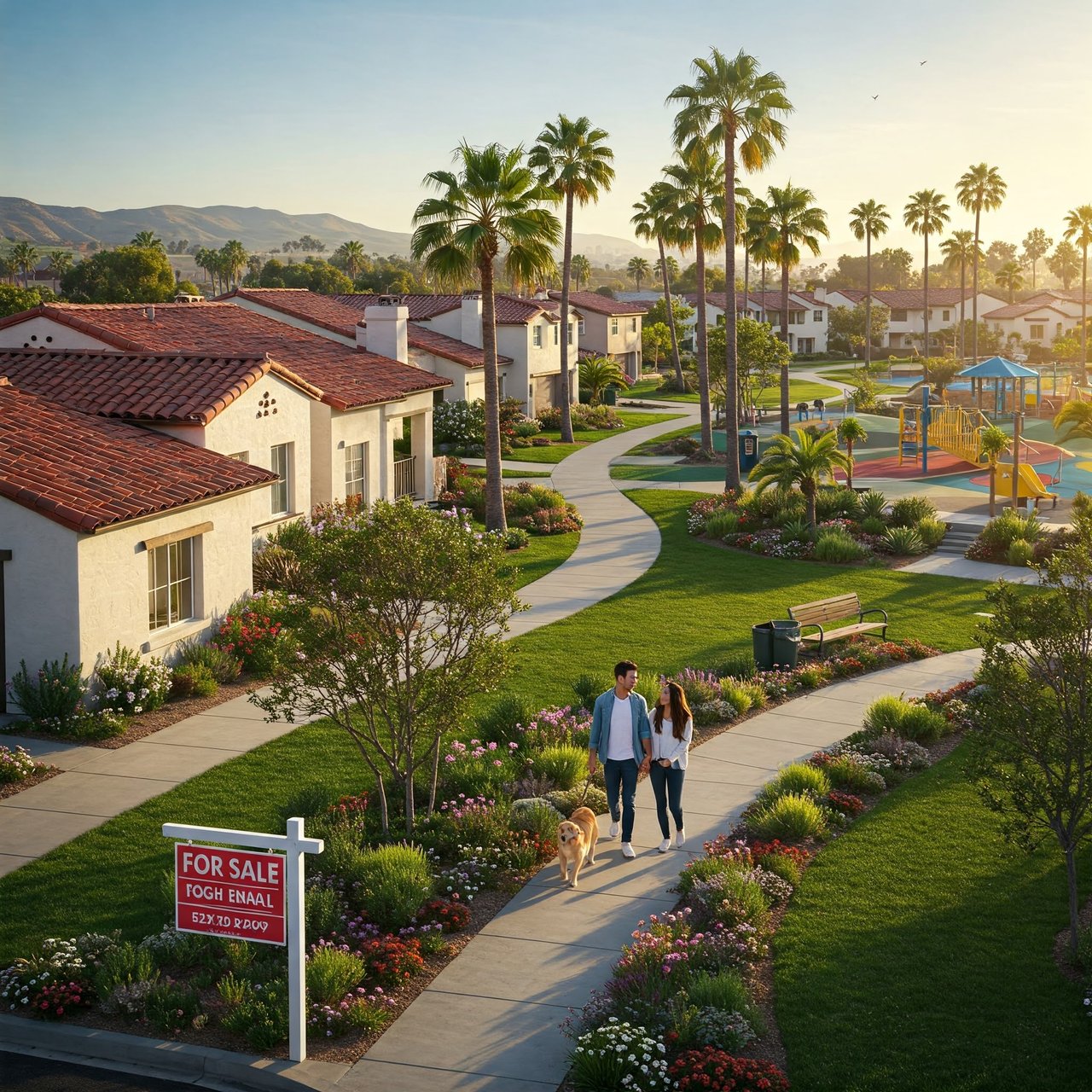
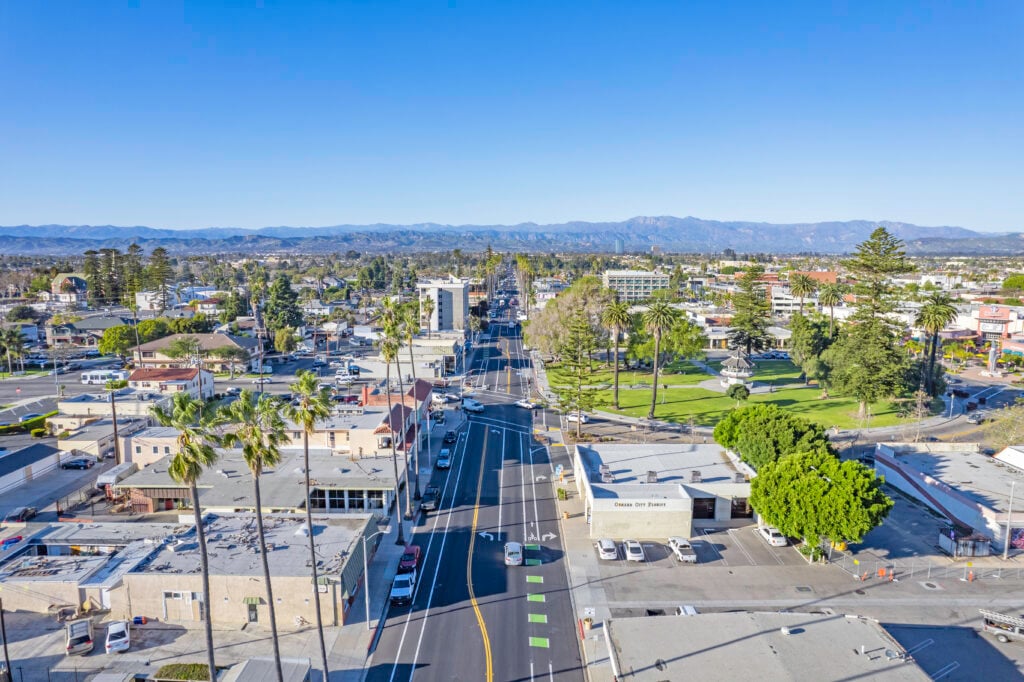
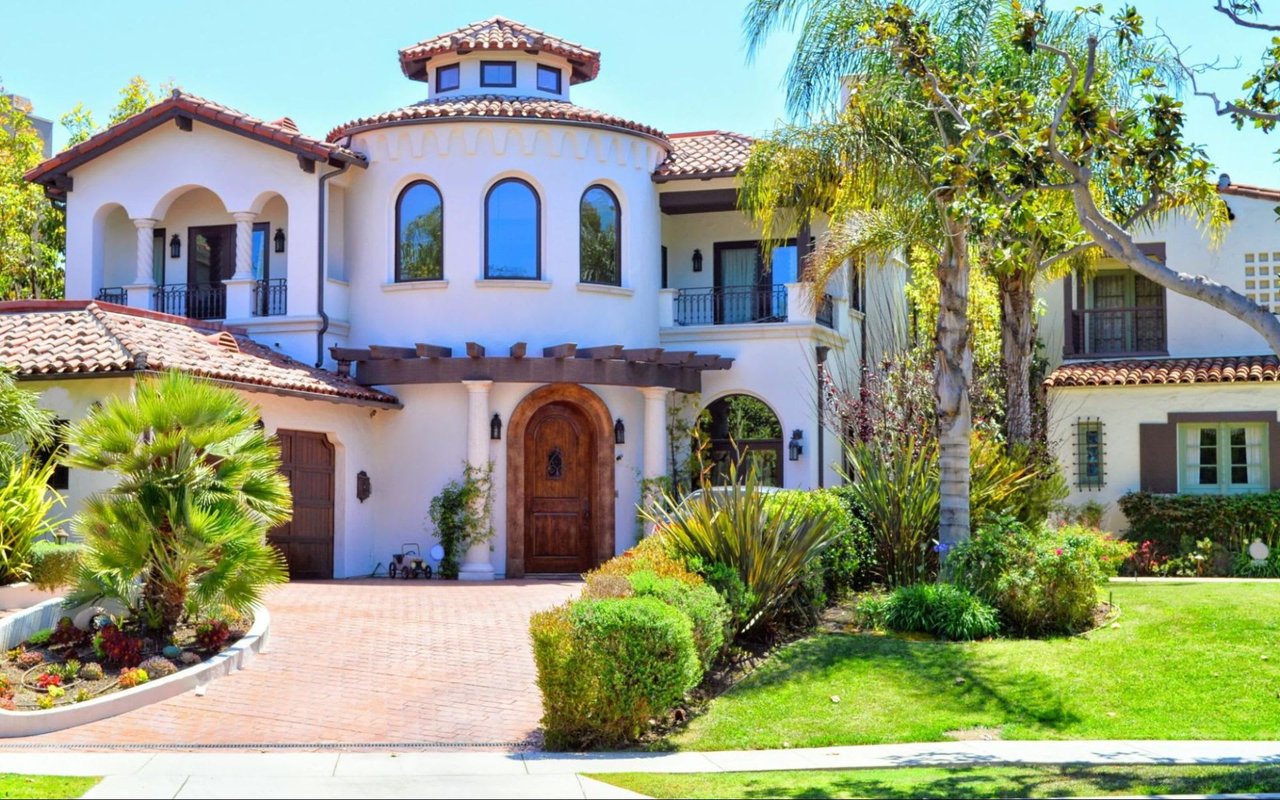
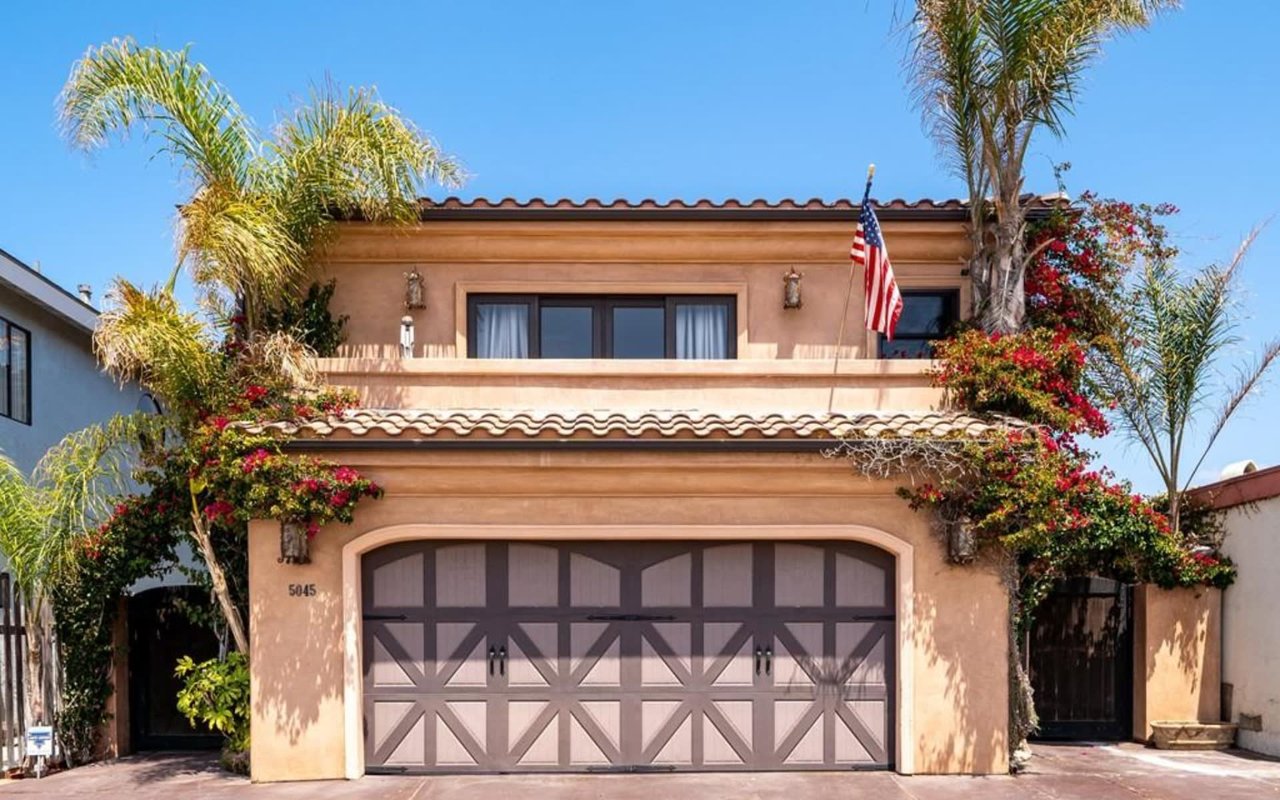
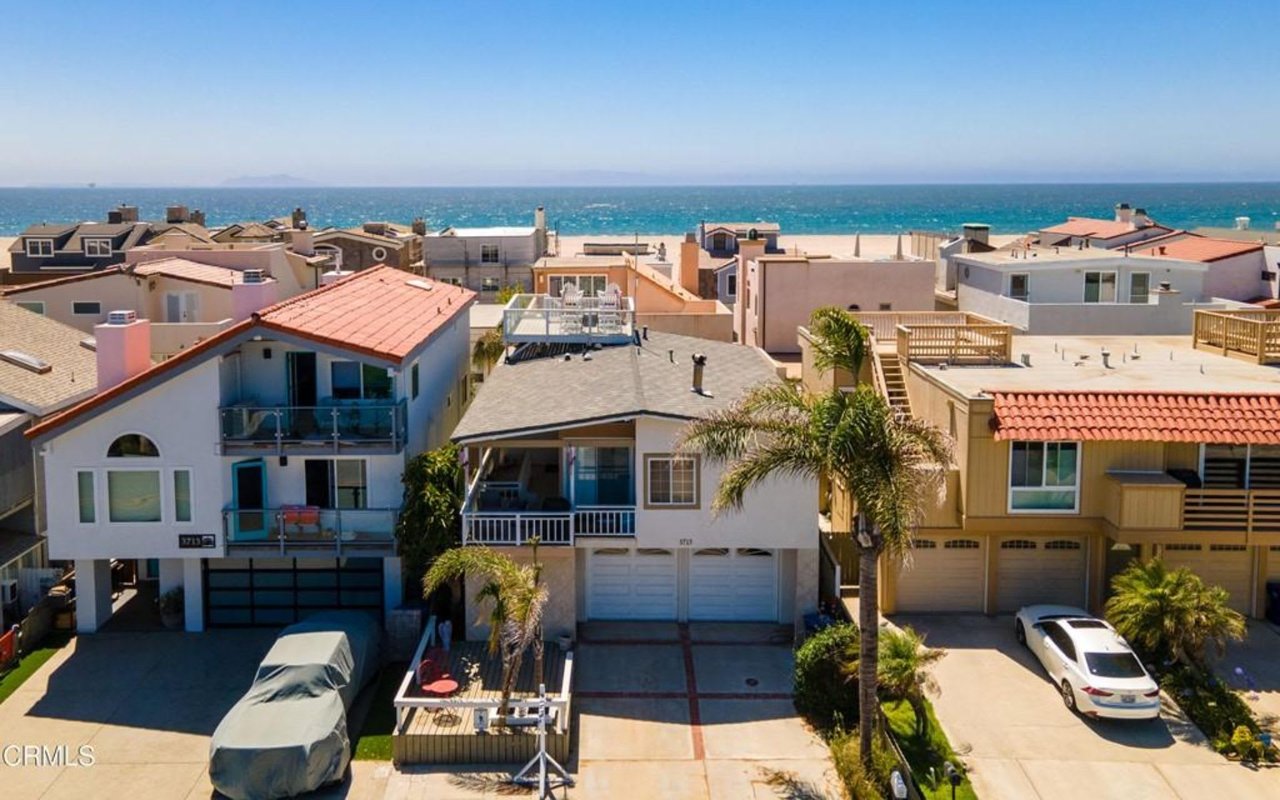
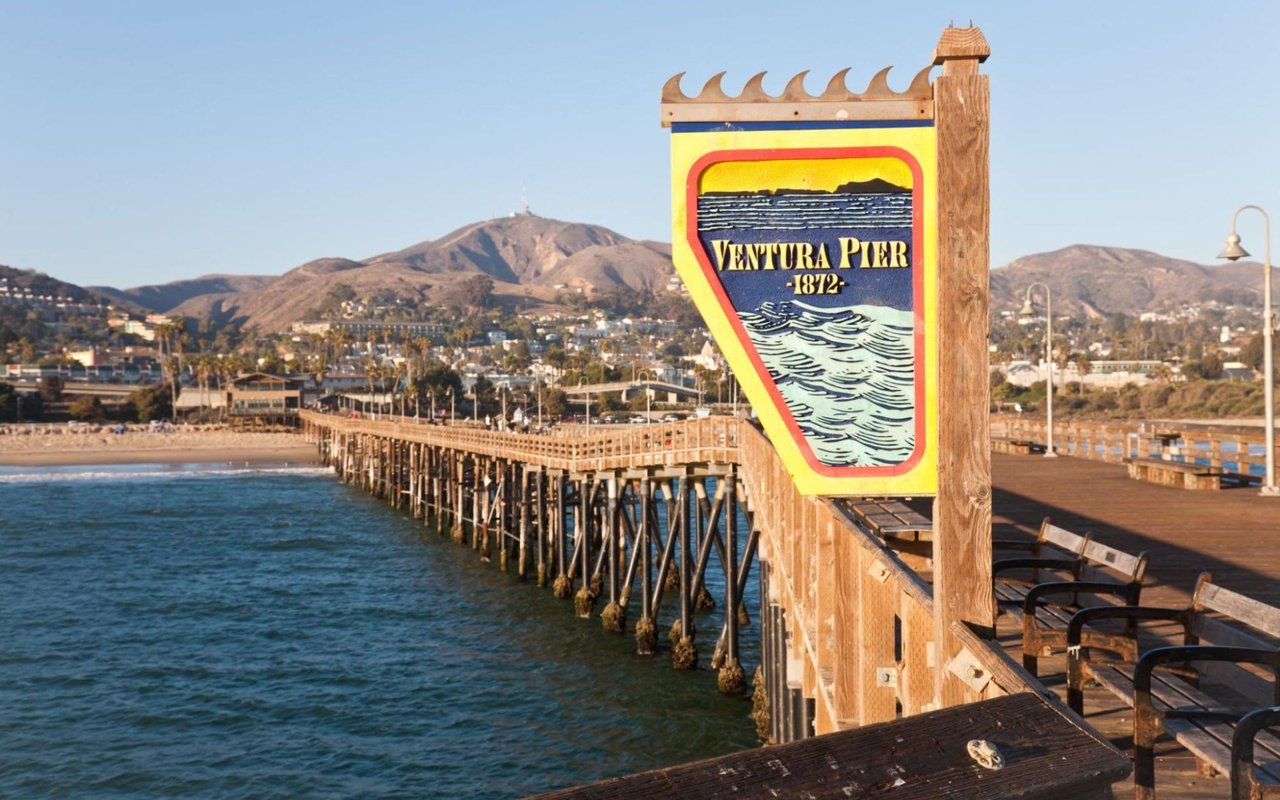
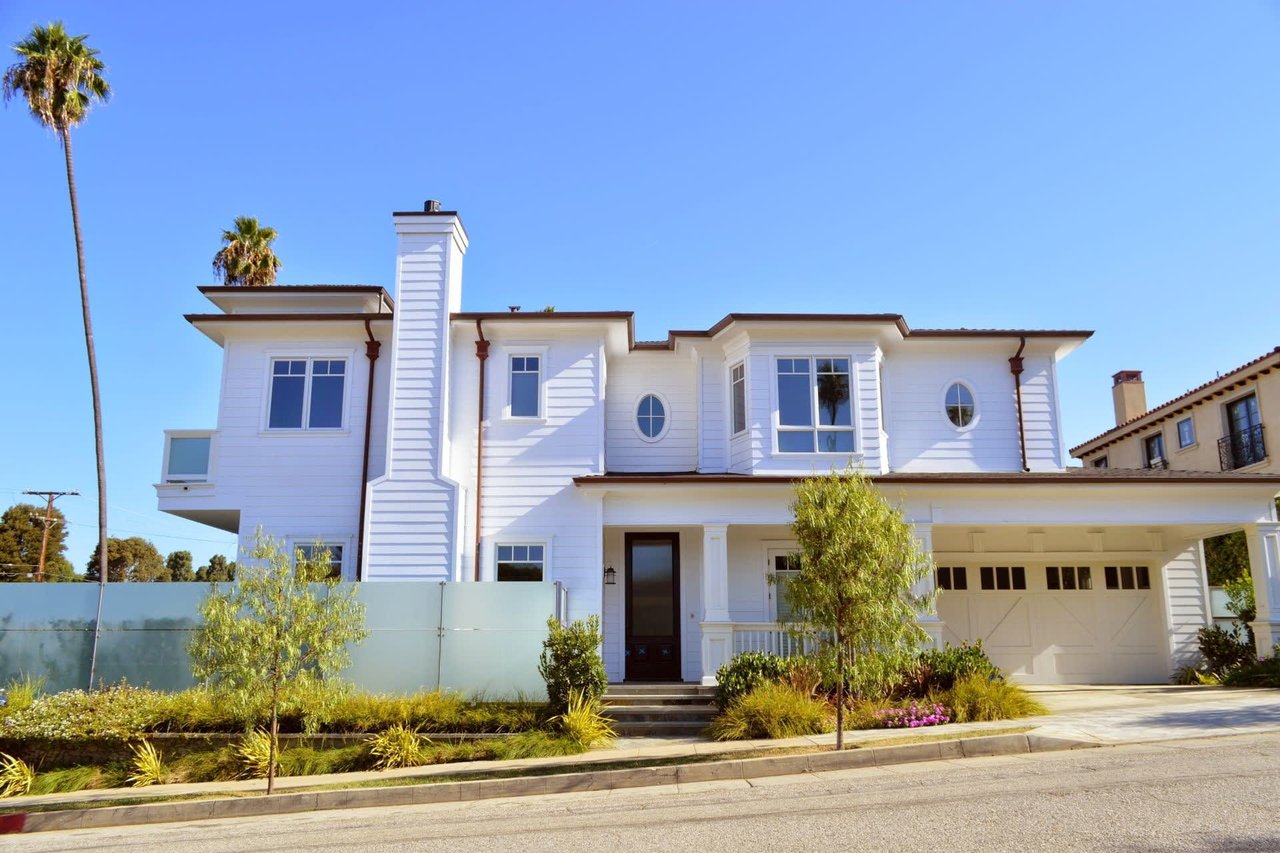
Mid-Town Ventura is renowned for its character-filled, tree-lined neighborhoods. Home to classic 1920s Spanish Colonial Revivals, Craftsman bungalows, and mid-century gems, Mid-Town properties often feature generous parcel sizes (5,000 to 8,000+ square feet), flat topography, and functional rear alley access.
Because of these spacious lot layouts, Mid-Town Ventura has emerged as one of the premier locations in Ventura County for constructing an Accessory Dwelling Unit (ADU) or converting an existing detached garage into a Junior ADU (JADU).
Whether you are looking to generate passive rental income, create a private guest suite for aging family members, or maximize your property’s long-term market value, building an ADU requires balancing California state streamlining laws with Mid-Town's distinct architectural heritage. Here is a clear guide on how to navigate ADU regulations while preserving the vintage charm of your Mid-Town lot.
1. Navigating California & City of Ventura ADU Regulations
California's updated ADU framework makes adding a second unit on single-family parcels more accessible than ever. Cities must review ADU permit applications ministerially (without discretionary public hearings) within 60 days of receiving a complete application.
Key Zoning & Size Standards
Detached ADUs: Homeowners can construct a new detached ADU of at least 800 square feet (and up to 850 sq ft for a 1-bedroom, or 1,000 to 1,200 sq ft for a 2-bedroom unit depending on lot coverage).
Side & Rear Setbacks: State law limits required side and rear setbacks to a maximum of 4 feet, making it easy to nestle a unit discreetly in a deep Mid-Town rear yard.
Garage Conversions: Converting an existing detached garage requires zero additional setback—you can build directly within the existing structural footprint.
Height Limits: Detached ADUs can typically reach 16 feet in height, or up to 18 to 20 feet if designed to match the pitch of the primary home's roof.
Impact Fee Exemption: ADUs under 750 square feet of interior livable space are exempt from municipal development impact fees, significantly reducing upfront development costs.
2. Garage Conversions vs. New Detached Builds
In Mid-Town Ventura, homeowners generally pursue one of two primary ADU paths:
Option A: Detached Carriage-House Garage Conversions
Many historic Mid-Town homes feature detached rear garages accessed via paved public alleys. Converting an underutilized garage into a carriage-house style ADU is often the most cost-effective approach:
Cost Efficiency: Utilizing the existing foundation, slab, and framing drastically cuts construction timelines and material expenses.
Alley Access: Rear alley access allows the ADU to have its own private entry without disturbing the main house’s backyard or front curb appeal.
Option B: Custom Ground-Up Detached ADUs
For homeowners with deep Mid-Town lots who want to retain their primary parking garage, a custom ground-up build offers complete design freedom:
Layout Optimization: Build a modern 1- or 2-bedroom floor plan customized to your exact needs.
Flexible Living: Ideal for multi-generational living arrangements or high-end long-term rentals that command top-tier monthly rates.
3. Preserving Historic Charm & Architectural Integrity
While California state law streamlines ADU approvals, Mid-Town Ventura buyers and renters pay a premium for architectural cohesion. Designing an ADU that clashes with a 1920s Spanish Revival or Craftsman main home can detract from overall curb appeal and resale value.
Smart Architectural Matching Guidelines
Rooflines & Exterior Materials: Match the ADU’s roof pitch, tile or shingle material, and exterior wall finish (such as smooth-troweled stucco or wood lap siding) to the primary residence.
Window & Trim Profiles: Mirror the window grid patterns, trim casing, and color palette of the main house to make the ADU look like an original carriage house rather than a modern afterthought.
Landscaping & Privacy: Use private fencing, pergolas, and native California landscaping to create separate, private outdoor patio zones for both the main house and the ADU.
4. Financial ROI & Market Value Impact
Adding a permitted ADU to a Mid-Town Ventura property provides dual financial advantages: immediate rental income cash flow and substantial long-term real estate equity gains.
Income Potential & Property Valuation
Rental Demand: Due to Mid-Town’s proximity to Community Memorial Hospital, Ventura County Medical Center, Downtown Ventura, and local beaches, permitted ADUs experience strong demand from healthcare professionals, remote workers, and long-term renters.
Appraisal Impact: Appraisers evaluate permitted ADUs as valuable income-producing square footage. Unlike unpermitted conversions (which add zero appraised value), a fully permitted ADU can boost overall property value significantly.
A Smart Checklist for Mid-Town Ventura ADU Projects
If you are evaluating an ADU project on your Mid-Town property, follow these initial steps:
Verify Lot Limits & Overlays: Check your property parcel on the City of Ventura GIS map to confirm zoning, historic district overlays, and utility easement locations.
Conduct a Utility Capacity Check: Ensure your existing electrical panel (typically 200-amp upgrade required) and sewer line can handle a secondary dwelling unit.
Keep Size Under 750 Sq Ft: If budget efficiency is your goal, sizing your ADU under 750 square feet avoids municipal impact fees.
Obtain Proper Permits: Never skip the official building permit process—unpermitted ADUs create major disclosure hurdles, financing issues, and legal liabilities during resale.
Partner with Local Experts: Consult an experienced contractor and a local real estate authority who understands Mid-Town neighborhood values and design standards.
Navigating ADU regulations in Mid-Town Ventura gives homeowners a unique opportunity to build generational wealth, expand living space, and support local housing—all while celebrating the architectural charm that makes our community special. If you want expert, data-driven advice on buying, selling, or evaluating ADU potential on a property in Mid-Town Ventura, Ann Howarth is here to guide your path.
FAQs
Can I build an ADU in Mid-Town Ventura if my home is in a historic overlay zone?
Yes. California ADU legislation applies statewide, allowing ADUs on residential single-family lots. However, if your property is a designated historic landmark, the design must comply with local guidelines to ensure exterior modifications preserve the primary home's historic facade.
How much does it cost to build an ADU in Ventura?
In Ventura County, garage conversions generally range from $120,000 to $160,000, while custom ground-up detached ADUs typically cost between $200,000 and $380,000 depending on square footage, site prep, and finish levels.
Does an ADU in Ventura require extra off-street parking spaces?
In most cases, no. Under California law, replacement off-street parking is not required when converting an existing garage into an ADU or building a unit within a half-mile of public transit routes.
Does the homeowner have to live on the property to rent out an ADU?
No. California state law permanently eliminated owner-occupancy requirements for standard ADUs permitted after January 1, 2025. You can rent out both the primary house and the ADU to separate long-term tenants.