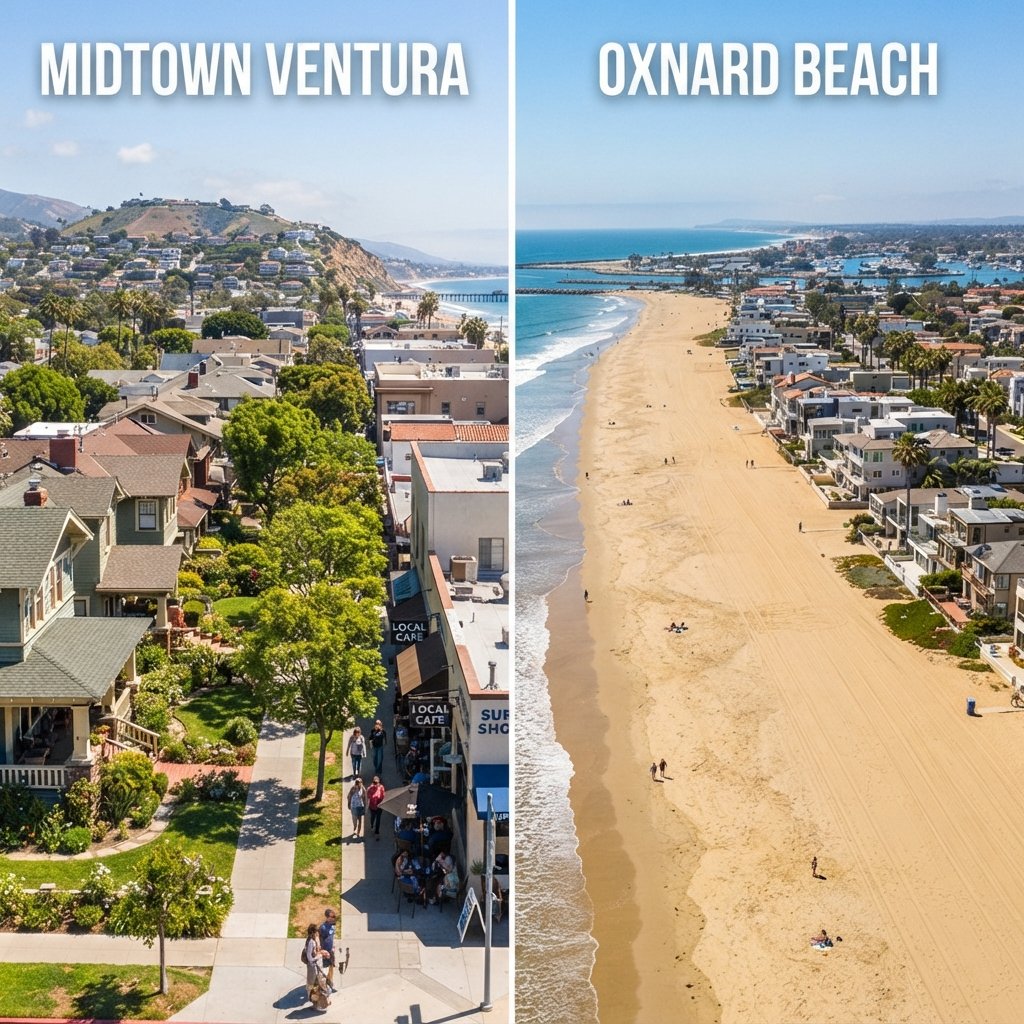
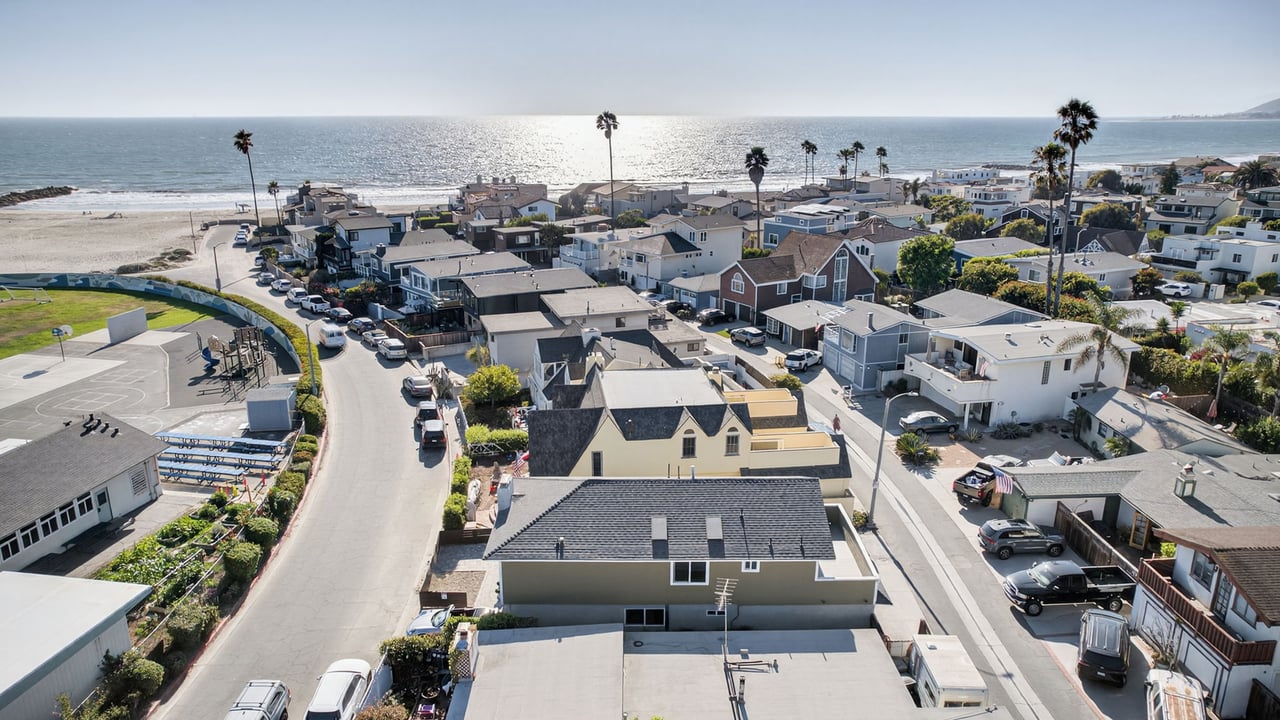
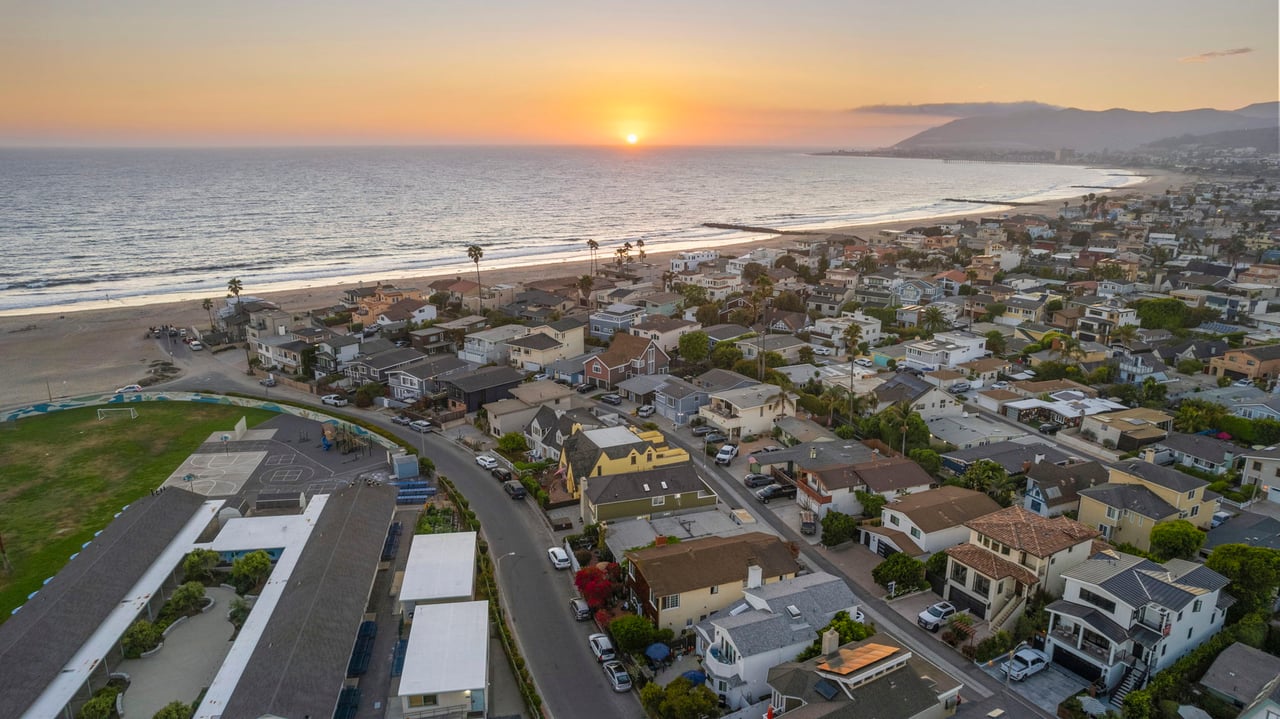
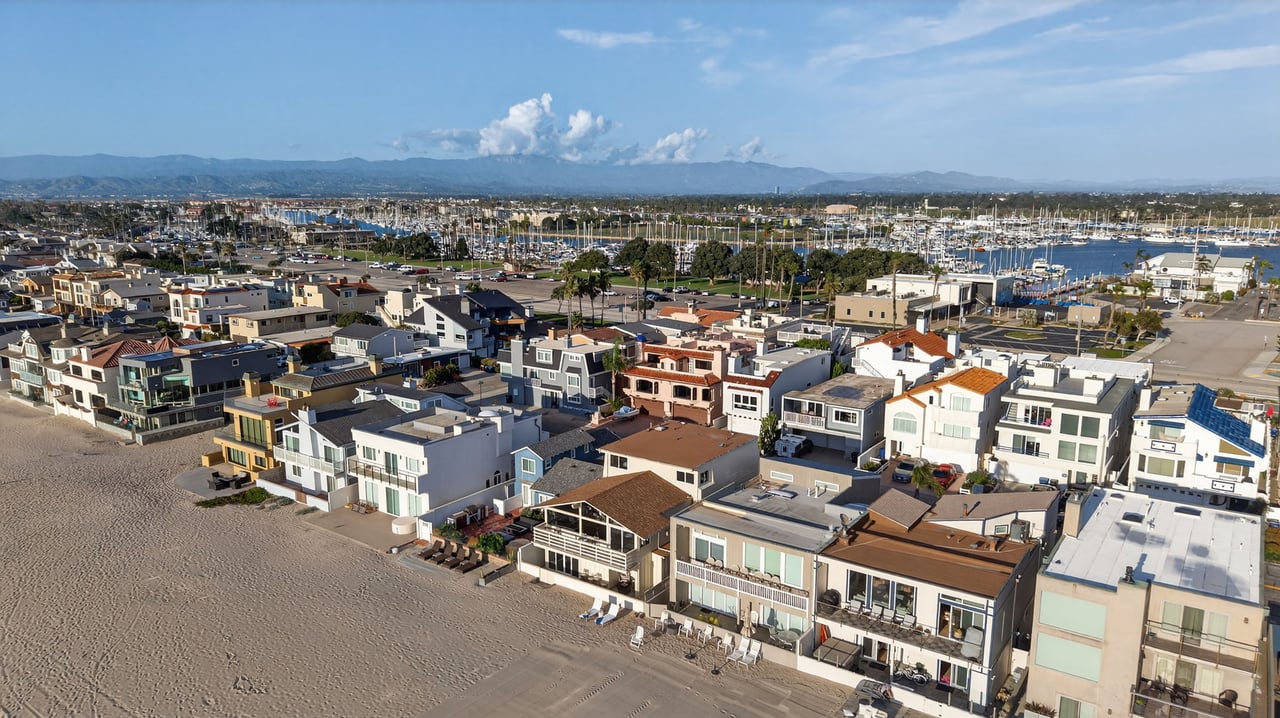
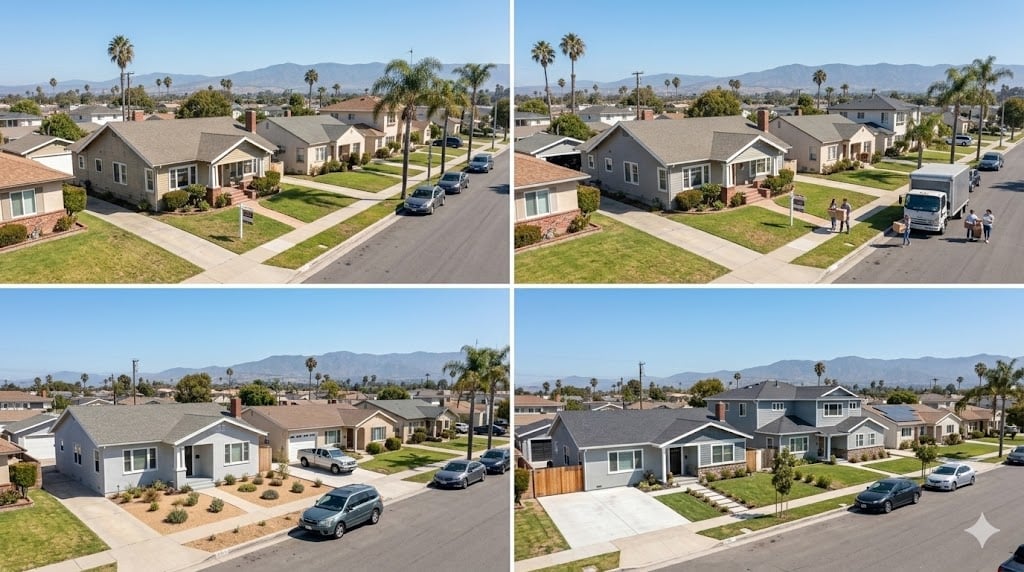
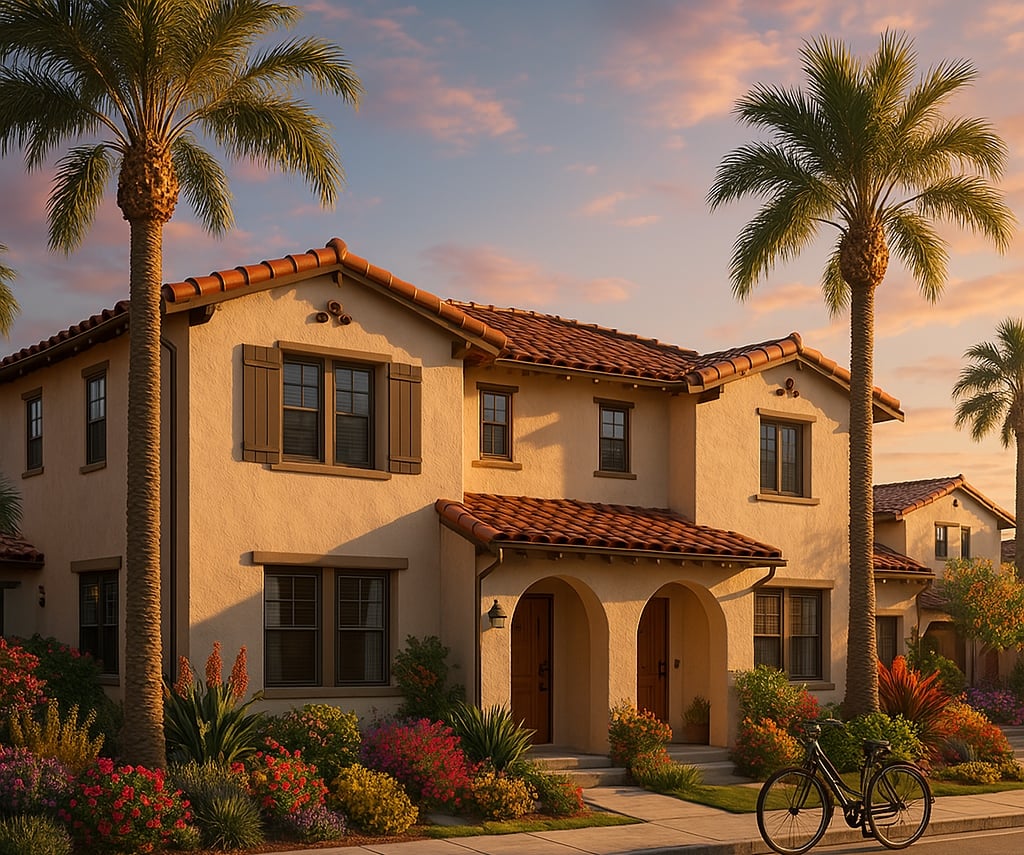
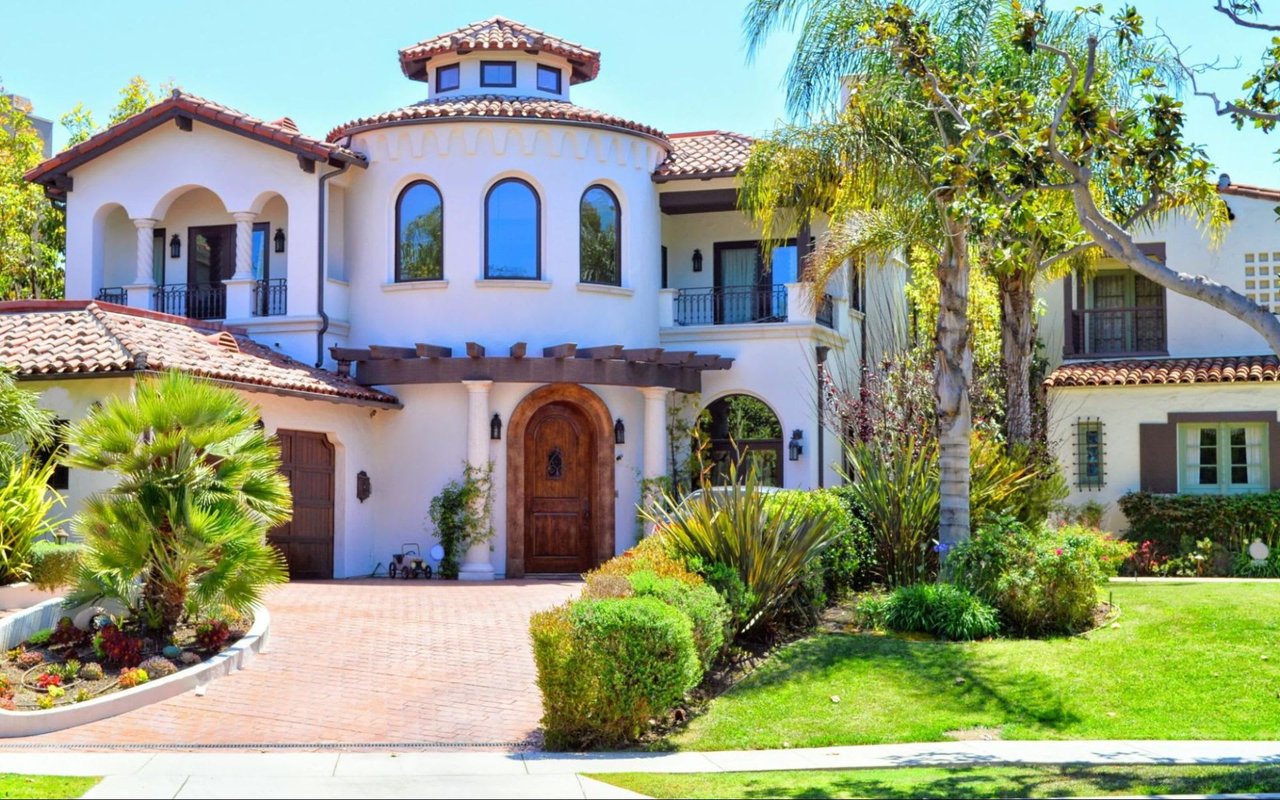
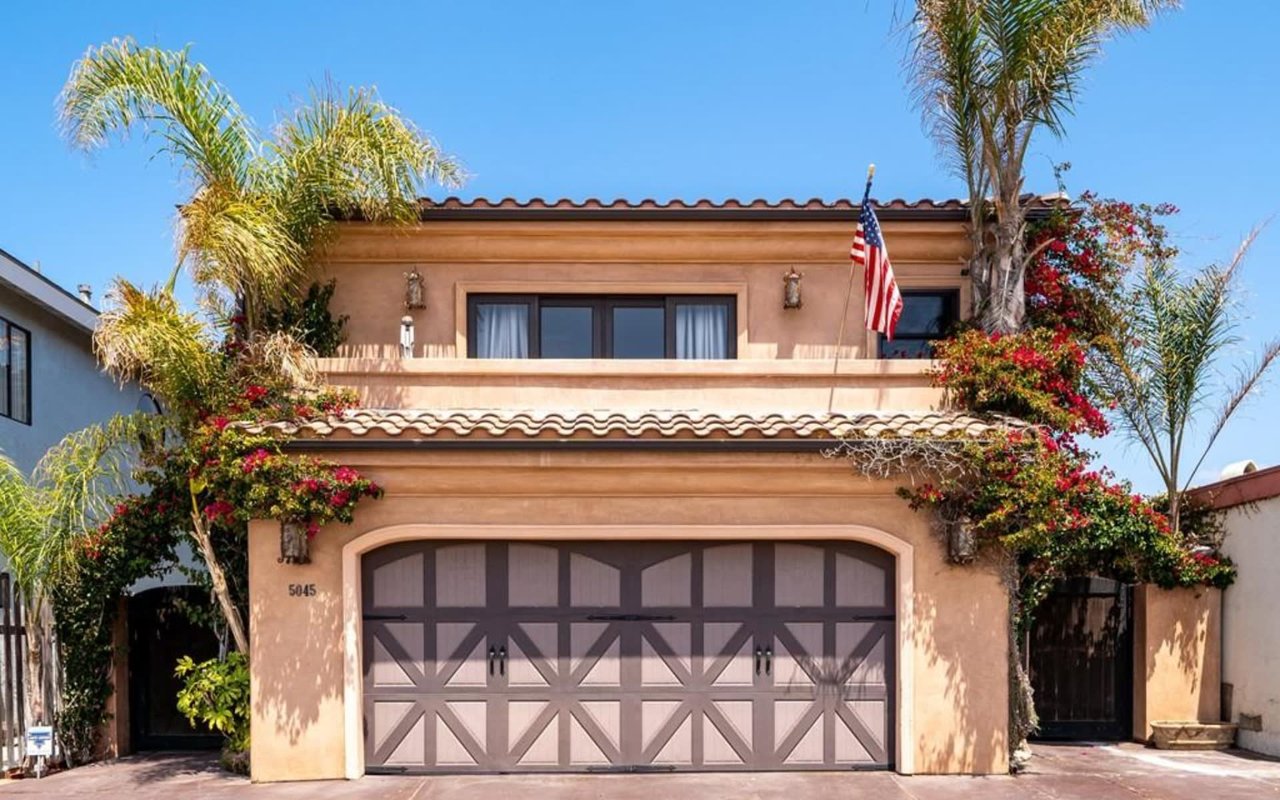
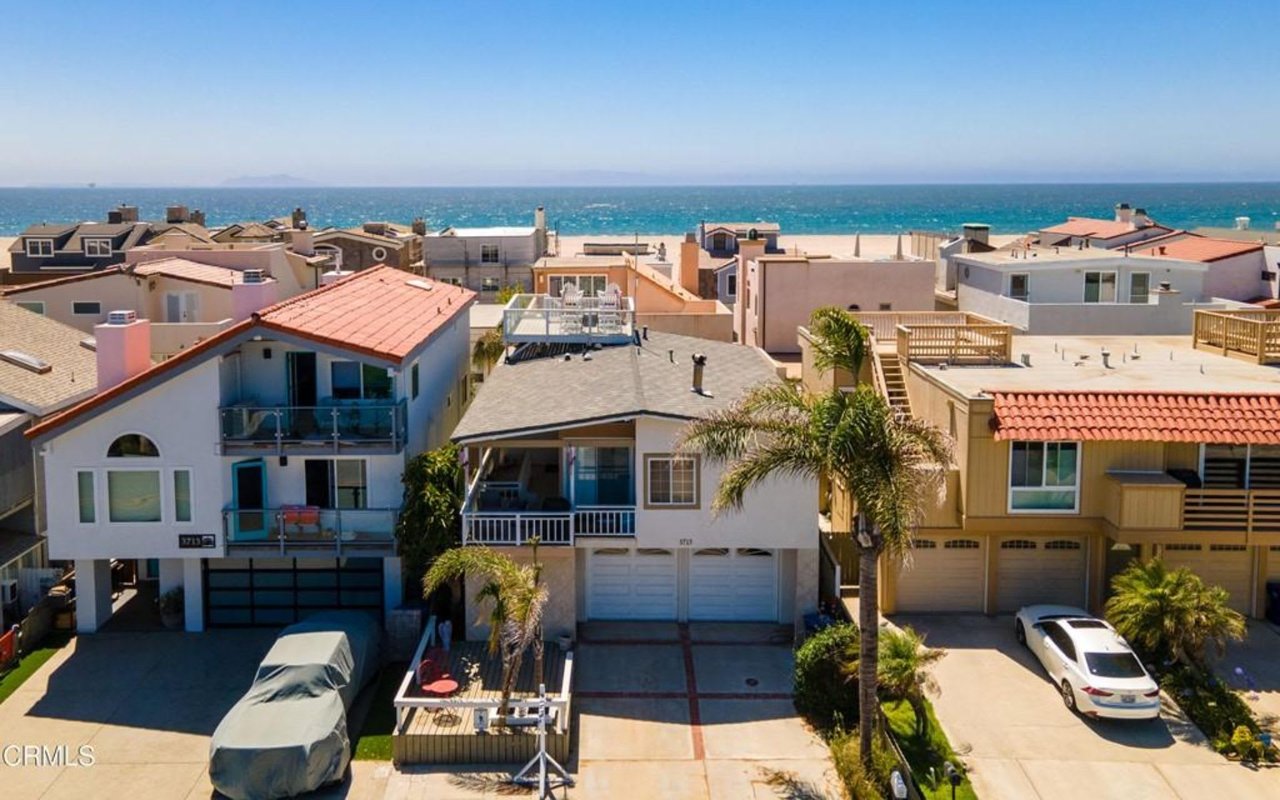
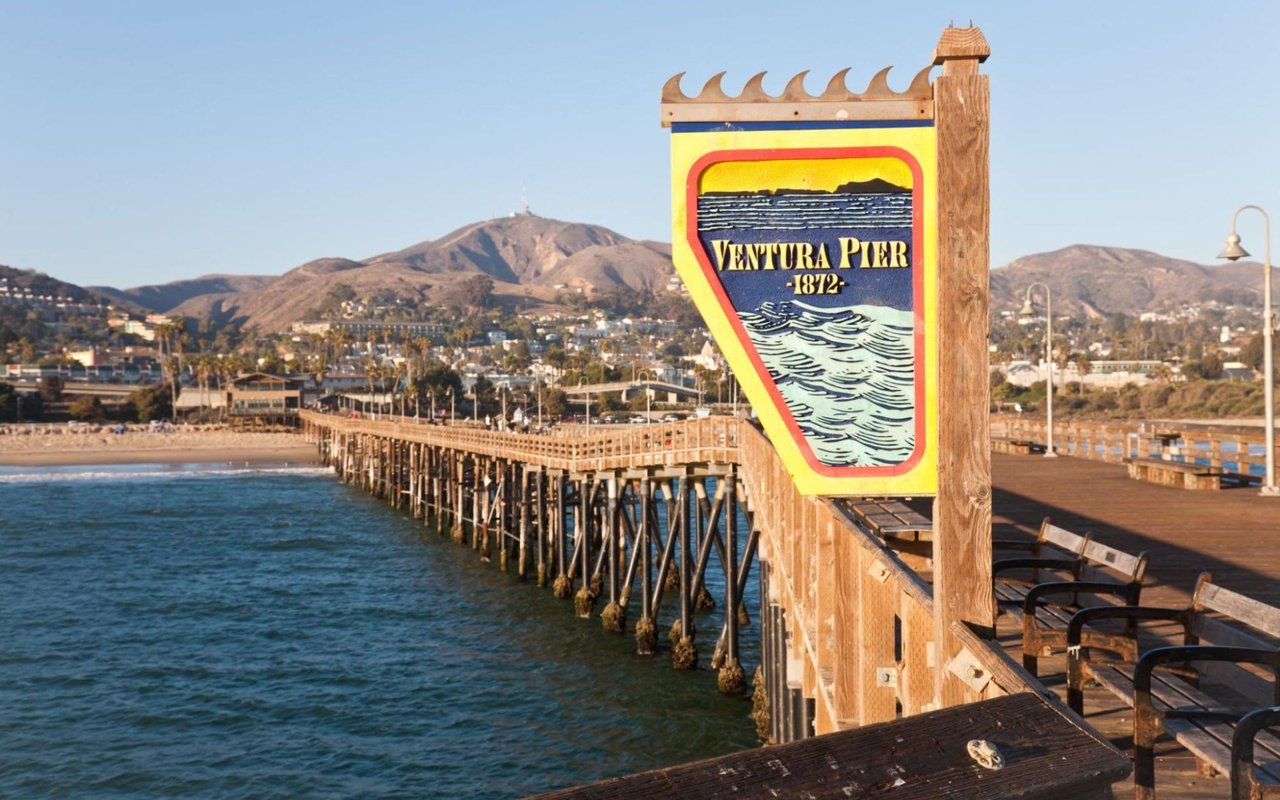
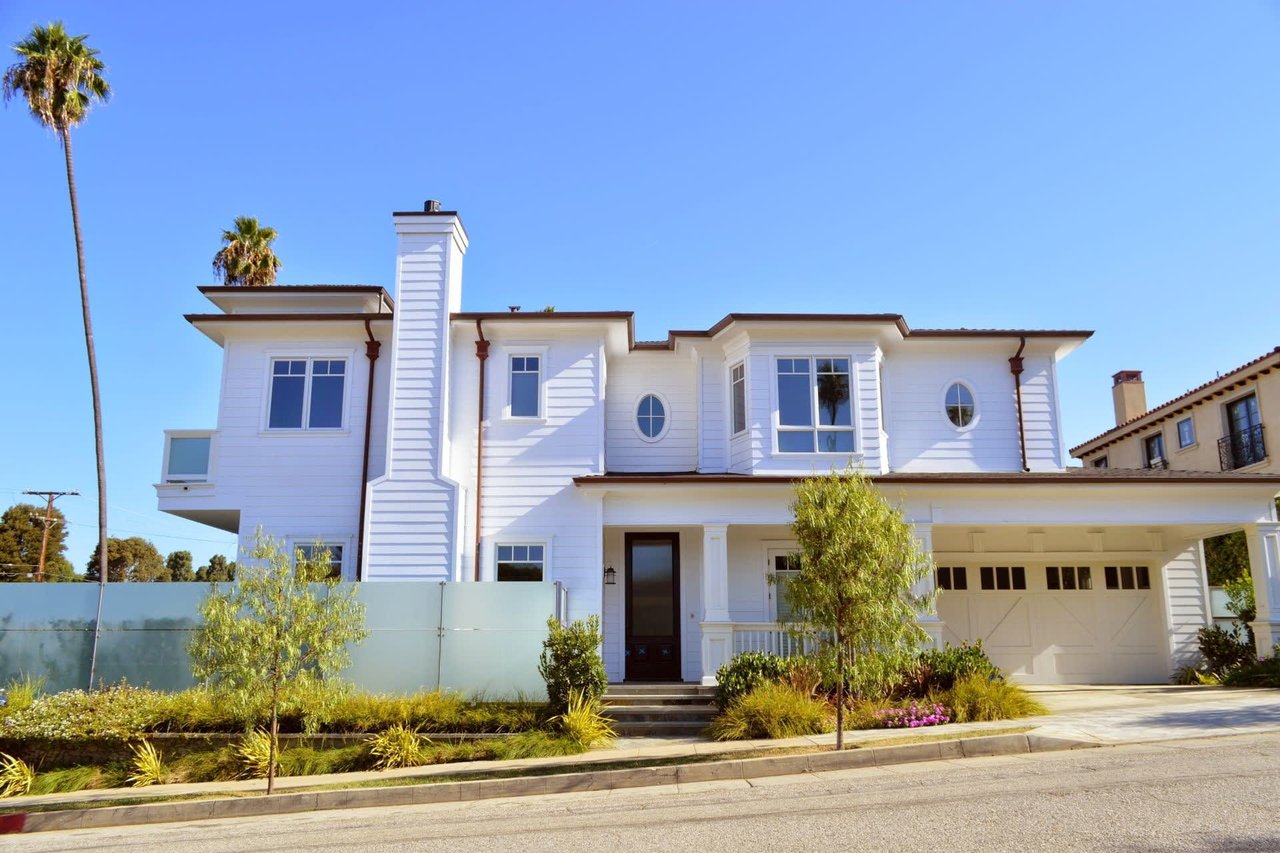
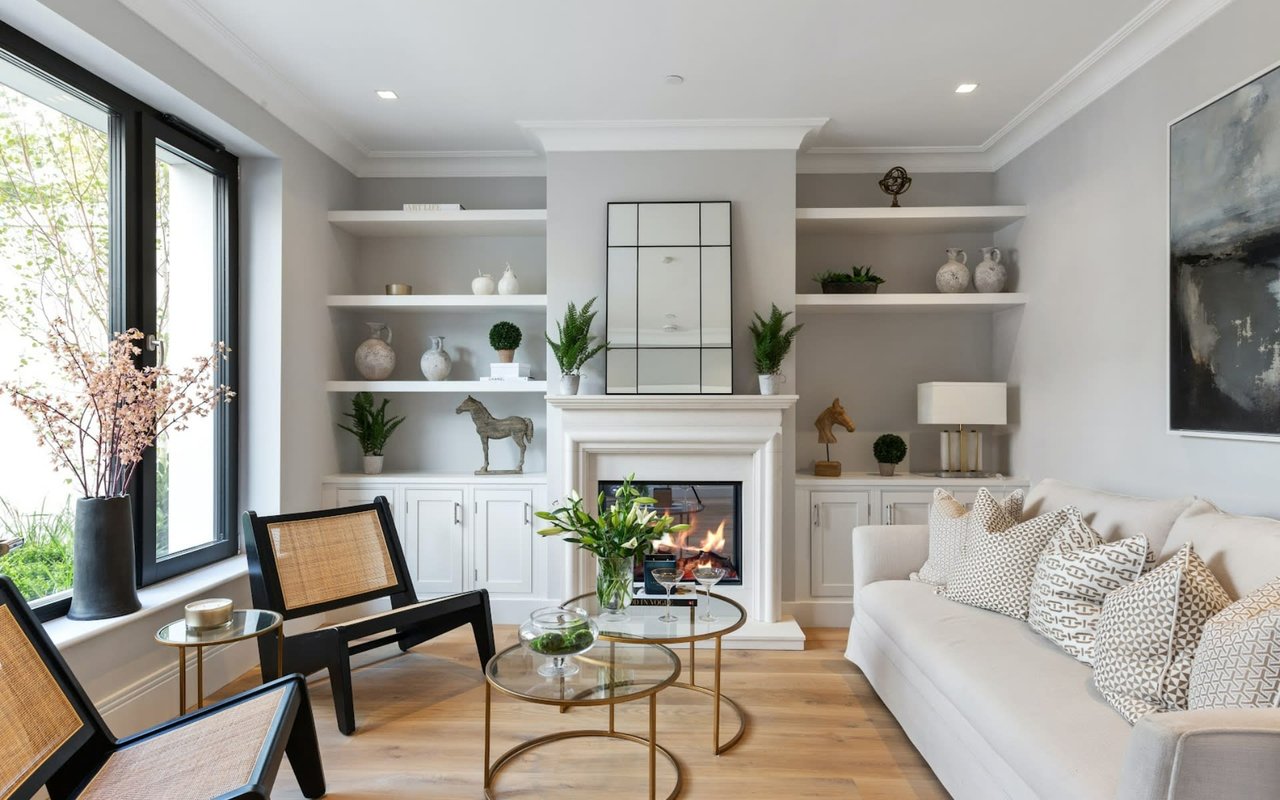
Mid-Town Ventura is widely celebrated for its picturesque, tree-lined streets and rich architectural heritage. From 1920s Spanish Colonial Revivals with terra-cotta tile roofs and hand-plastered arches to classic Craftsman bungalows with broad front porches and built-in cabinetry, these homes give Ventura its distinct coastal character and enduring neighborhood appeal.
However, owning an older home often comes with a practical challenge: balancing historic charm with modern energy efficiency and comfort. As seasonal winter coastal breezes set in, original single-pane windows, uninsulated plaster walls, and aging heating systems can lead to drafty rooms and high utility bills.
The good news is that you don’t have to compromise historical integrity to create an energy-efficient, comfortable home. Here is how Mid-Town Ventura homeowners and buyers can successfully upgrade energy performance while preserving vintage architectural details that drive long-term property value.
1. Windows: Restoring vs. Replacing Original Glass
Original wood-framed and leaded-glass windows are among the defining features of Mid-Town Craftsman and Spanish Revival homes. Completely replacing original windows with modern vinyl frames often disrupts exterior proportions and reduces historical value.
Preservation-friendly efficiency tactics
Weatherstripping & Recaulking: Installing high-quality brass or spring-bronze weatherstripping around original double-hung sashes seals air leaks without altering their appearance.
Interior Storm Window Inserts: Custom interior storm inserts or low-emissivity (Low-E) glass panels fit discreetly inside the existing window frame. They create a insulating air pocket, drastically reducing draftiness and sound transmission while keeping original exterior millwork intact.
Targeted Replacements: If replacement is unavoidable due to severe rot, specify custom wood-clad double-pane windows that match original divided-lite grid patterns and exterior trim profiles.
2. Insulation: Thermal Upgrades for Vintage Wall & Attic Cavities
Many Mid-Town homes built prior to the 1960s were constructed with little to no thermal insulation in wall cavities or attic spaces.
Non-invasive insulation strategies
Attic & Roof Insulation: Heat rises, making attic space the single most effective area for insulation upgrades. Blown-in cellulose or mineral wool insulation in attic floors creates a strong thermal barrier without affecting living spaces or historic plaster work below.
Dense-Pack Wall Insulation: For lath-and-plaster walls, contractors can inject dense-pack cellulose insulation through small, easily repairable exterior or interior access holes, filling wall cavities without tearing down original plaster work.
Crawlspace & Floor Insulation: Insulating the underside of raised wood subfloors and installing a vapor barrier over crawlspace soil reduces cold drafts coming through original hardwood flooring.
3. HVAC & Heating: Invisible Comfort Upgrades
Old gravity furnaces, floor heaters, and aging ductwork in historic homes can be inefficient and present indoor air quality challenges.
Modern, low-profile alternatives
Ductless Mini-Split Heat Pumps: Mini-split systems deliver high-efficiency heating and air conditioning through small, flexible conduit lines, eliminating the need to tear into historic ceilings or walls to run bulky ductwork.
High-Efficiency Heat Pump Systems: If existing ductwork is in good condition, replacing an old furnace with a high-efficiency electric heat pump significantly lowers energy consumption while integrating seamlessly with smart thermostats.
Duct Sealing & Testing: Sealing leaky joints in existing ductwork in basements or attics prevents heat loss before it reaches living spaces.
4. Preservation Guidelines & Local Regulations in Ventura
When planning energy upgrades in Mid-Town Ventura, understanding city preservation guidelines ensures projects proceed smoothly without compromising historic district status.
Ventura Historic Landmarks & Districts: Exterior alterations on designated historic landmark properties or within historic survey areas may require review by the City of Ventura Historic Preservation Committee.
Prioritize Reversible Modifications: Modern efficiency upgrades should ideally be reversible, ensuring that future owners can maintain or restore original architectural fabric.
Focus on Unseen Infrastructure: Electrical panel upgrades, insulation, crawlspace vapor barriers, and heat pump installations provide massive comfort gains while remaining completely invisible from the street.
A Smart Checklist for Mid-Town Ventura Historic Homeowners
If you are planning energy upgrades for a character-rich home in Mid-Town, keep these core steps in mind:
Conduct a Professional Energy Audit: Start with a blower-door test and thermal imaging to pinpoint exact air leaks before spending on major equipment upgrades.
Preserve Architectural Millwork: Retain original casing, baseboards, built-in cabinetry, and original front doors wherever possible.
Consult Local Historic Guidelines: Check City of Ventura historic overlays before altering exterior facades, windows, or roofing materials.
Focus on Air Sealing First: Sealing attic bypasses and crawlspaces yields the highest comfort return per dollar spent.
Work with Local Specialists: Partner with contractors and real estate advisors who understand historic home construction and local Mid-Town neighborhood values.
Upgrading a historic home in Mid-Town Ventura allows you to enjoy modern efficiency and comfort while preserving the craftsmanship that makes the neighborhood so special. By focusing on smart, preservation-minded improvements, you protect both your home’s character and its long-term market value. If you want expert advice on buying, updating, or selling a historic home in Mid-Town Ventura, Ann Howarth is here to guide your path.
FAQs
Can I replace original windows in a historic Mid-Town Ventura home?
Yes, but preservation guidelines strongly encourage restoring original wood windows or installing discrete interior storm panels. If replacement is necessary, new windows should match the original material, grid layout, and exterior casing trim.
What is the best way to insulate plaster-and-lath walls without damaging them?
Dense-pack cellulose insulation can be injected into wall cavities through small holes drilled into exterior siding or interior plaster, which are then patched and painted to match.
Are ductless mini-splits a good option for older homes in Ventura?
Ductless mini-splits are ideal for historic homes because they do not require cutting into vintage plaster walls or ceilings for ductwork, providing high-efficiency heating and cooling with minimal impact on interior architecture.
Do energy retrofits increase resale value in Mid-Town Ventura?
Yes. Buyers in Mid-Town seek character and charm, but heavily value updated electrical panels, modern heating, insulation, and lower monthly utility costs.